Master Meditation With Mala Beads: A Complete Guide
Clear, practical steps and cultural context for effective mala meditation
Mala beads meditation involves using 108 beads plus a guru bead to count mantras or breaths, traditionally with the right hand and thumb, reversing at the guru bead. This guide explains the history, how to use them, mantra choices, care, and daily practice tips.
People search how to use mala beads because they want a practical way to deepen meditation and stay focused. Many find conflicting or incomplete instructions online.
Common mistakes include unclear handling instructions, misunderstanding the guru bead’s role, or confusion about mantras and breath counting.
This guide fills those gaps with clear, historically accurate steps and advice on care, mantra selection, and establishing a routine.
Recommended Product for Mala Meditation
Choose a quality ring to complement your mala practice Links go to Amazon and earn this site a small commission at no extra cost to you.
BEADS PLANET JAIPUR Gomti Chakra Silver Ring
This natural gemstone ring features the Gomti Chakra symbol, enhancing your meditation focus and pairing well with mala bead practice. Its antique silver plating suits traditional aesthetics.
Skip it if: Skip if you prefer minimalist or non-jewellery meditation aids.
How To Use Mala Beads For Meditation
To use mala beads for meditation, hold the mala in your right hand and use your thumb to pull each bead over the middle or ring finger, starting at the bead next to the guru bead. Recite one mantra or take one breath per bead, moving sequentially until you reach the guru bead, then reverse direction and continue without crossing it.
The guru bead is the larger, distinctive bead that marks the start and end of one mala cycle. It is never counted or crossed over; instead, when you reach it, you reverse direction and continue your practice backward. This maintains the sacred cycle and honours the bead’s significance.
Hold the mala draped over your middle or ring finger of the right hand. Use your thumb to pull the beads toward you, one at a time. Avoid using the index finger to move the beads, as traditional practice considers the index finger less suitable for this tactile rhythm.
Common Mistake
Using the index finger to pull beads can disrupt the flow of meditation and is traditionally avoided. The index finger is linked with ego in some traditions, so it is excluded to promote humility and focus.
- Hold the mala in your right handDrape the mala over the middle or ring finger with the guru bead facing you.
- Start at the bead next to the guru beadDo not count or cross the guru bead.
- Use the thumb to pull each bead toward youMove the beads over the middle or ring finger, one at a time.
- Recite one mantra or breath per beadSynchronise your mantra or breath with each bead.
- Reach the guru bead and reverse directionDo not cross the guru bead; instead, turn the mala around and continue.
The History and Symbolism of Mala Beads
Mala beads have a long history in Hindu and Buddhist traditions, with earliest evidence dating back thousands of years as tools for counting mantra repetitions or breaths during meditation. Traditional malas contain 108 beads plus one guru bead, a number that holds deep cosmic and energetic symbolism.
Sacred Number 108
The number 108 appears in many spiritual contexts, representing the number of energy channels (nadis) converging in the heart, as well as cosmic scales including the distance between the Earth and the Sun. This makes 108 a sacred count for spiritual practice.
The guru bead marks the start and end of the mala cycle and is never crossed during meditation. It symbolises the teacher or the spiritual path itself, acting as a reminder of guidance. Practitioners reverse direction upon reaching this bead to maintain respect for its significance.
Different traditions vary in mala bead counts and handling. Hindu and Mahayana Buddhist malas typically have 108 beads, while some Jain and Theravada Buddhist malas use smaller counts, such as 54 or 27 beads, often with spacer beads dividing the mala into sections.
Hand use also differs by culture. Traditionally, the right hand is used in Hindu mala practice, while some Buddhist schools accept either hand. The thumb is preferred to move beads, avoiding the index finger, though this varies with cultural and sectarian customs.
| Tradition | Mala Bead Count | Hand Use | Notes |
|---|---|---|---|
| Hinduism | 108 + 1 guru bead | Right hand | Guru bead marks cycle start/end, never crossed |
| Mahayana Buddhism | 108 + 1 guru bead | Right or left hand varies | Spacer beads divide mala into sections |
| Theravada Buddhism | 54 or 27 beads | Either hand | Smaller malas common, used for breath counting |
| Jainism | Varies, often 108 | Right hand | Focus on mantra repetition with variations in bead design |
Variations in Mala Bead Counts and Handling by Tradition
Choosing the Right Mala Beads and Materials
Mala beads are traditionally made from a variety of natural materials including wood, rudraksha seeds, gemstones, bone, and metals. Each material carries its own significance and practical qualities, influencing the choice depending on your meditation goals and preferences.
Wood malas are common for their lightweight and warm feel. Rudraksha beads come from the seeds of a sacred tree and are prized in Hindu traditions for spiritual benefits. Gemstones are often selected for their chakra associations or personal resonance. Bone and metal malas appear in some Tibetan Buddhist practices, valued for durability and symbolic meanings.
Material choice often relates to intention or chakra focus. For example, rose quartz beads align with the heart chakra, while tiger’s eye suits the solar plexus chakra. These associations are part of modern practice rather than classical texts, but they help practitioners select beads that support their meditation focus.
Mala beads can be worn as jewellery, but traditionally they are treated as sacred tools for meditation. Wearing them respectfully includes avoiding placing them on the floor or in inappropriate places. Use them primarily during meditation to maintain their symbolic power.
Counter beads or spacer beads divide the mala into sections, usually groups of 27 beads if following the 108 count. These help maintain focus during long meditation sessions by providing tactile markers. They also add visual interest and can be made from different materials.
Suits
- Wood malas for beginners due to lightness and affordability
- Gemstone malas for chakra-specific intentions
- Rudraksha beads for traditional Hindu practice
Less suited to
- Bone or metal malas may feel heavy or cold
- Gemstone malas can be fragile
- Wood beads may wear faster with daily use
Mantras and Intentions for Mala Meditation
Mala beads can be used with any mantra or breath counting. Sanskrit mantras like Om or meaningful phrases are common, but counting breaths instead of repeating a mantra is equally valid. The key is consistent repetition aligned with each bead.
Setting a clear intention before meditation helps focus the mind. This intention might be a personal goal, a quality to cultivate, or a dedication of the practice. Programming the mala with this intention can involve holding it quietly while visualising or silently stating the purpose before starting.
- Choose your mantra or breath focusSelect a mantra with meaning or decide to count breaths for your session.
- Set your intentionHold your mala and silently state your meditation goal or quality you want to develop.
- Begin with the bead next to the guru beadRecite the mantra or take one breath per bead, moving the beads with your thumb.
- Complete the cycle without crossing the guru beadWhen you reach the guru bead, reverse the direction if continuing.
Vibration and Meaning
The sound vibration of a mantra affects mental focus and body sensation. Choose a mantra that resonates with you, as personal connection enhances the meditation’s effectiveness.
Cleaning, Caring, and Storing Mala Beads
To care for and cleanse mala beads, choose a method suited to the bead material. Natural stones and rudraksha seeds cleanse well under moonlight. Wooden or bone beads should not be soaked or exposed to salt water. Instead, wipe them gently with a dry cloth.
Avoid Damage
Do not soak delicate materials like wood or bone, as this can cause cracking or weakening.
Sage or palo santo smoke can purify most mala beads without harming them. Pass the mala slowly through the smoke to clear any accumulated energies or residue. This method is safe for all traditional materials.
Store malas in a clean, sacred space such as a dedicated pouch or box. This protects them from dust and damage and preserves their personal significance. Avoid letting others handle your mala, as the beads carry your unique intention and energy.
To refresh the mala’s energy, repeat your chosen intention or mantra while holding the beads. This practice maintains the connection between the mala and your meditation focus.
Building and Maintaining a Daily Mala Meditation Practice
- Set a Starting TimeBegin with 5 to 10 minutes daily. Gradually increase the duration as your focus strengthens.
- Choose a Consistent PlacePick a quiet spot where you will not be disturbed. Meditate here at the same time each day to build habit.
- Focus on Tactile SensationHold the mala in your right hand, moving one bead with your thumb per mantra or breath. Notice the texture and temperature of each bead.
- Handle DistractionsIf your mind wanders or you lose count, pause briefly then return gently to the current bead without self-judgement.
- Keep Your Mala AccessibleStore your mala somewhere visible or carry it with you as a reminder to meditate regularly.
- Troubleshoot Common IssuesIf beads feel uncomfortable, check for rough spots or adjust how you hold the mala. For lost count, use counter beads as checkpoints.
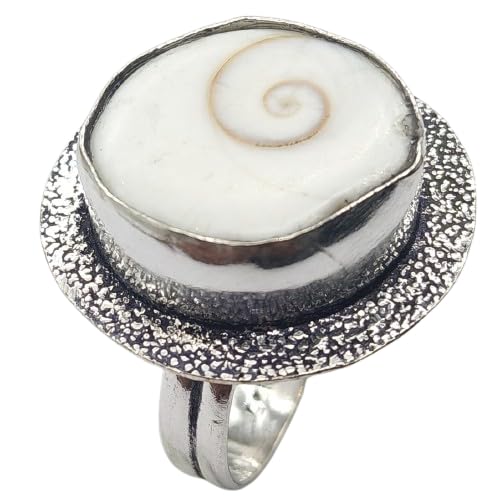
This natural gemstone ring complements mala meditation by aiding finger sensitivity and focus.
See it on Amazon →Seven chakras often linked to mala bead materials and meditation focus.
Start small and choose a quiet place. Use the beads’ feel to anchor attention. Return to the beads calmly when distracted.
A steady daily practice with mala beads deepens concentration and supports calm persistence. The physical rhythm of beads complements the mental rhythm of mantra or breath.
If you miss a bead or feel restless, gently refocus on the next bead without frustration. Over time, this builds patience and steadiness in meditation.
Using a consistent routine and handling the mala with care keeps your practice meaningful and sustainable. Keep exploring mantras and bead materials that resonate with you.
For more on cultivating meditation skills, see Zen Meditation Techniques and Master Om Meditation.
Common Misconceptions About Mala Beads
| Commonly claimed | Actually |
|---|---|
| A mala always has exactly 108 beads with no exceptions | While 108 beads is traditional, some malas have fewer beads or include spacer beads to divide sections; variations exist for different practices. |
| The index finger must never touch the mala beads because it represents ego | Many traditions avoid the index finger, but some Buddhist schools allow different fingers or hands; this is symbolic, not a strict rule. |
| You must use only Sanskrit mantras with mala beads | Mala beads can be used with any mantra or breath counting; Sanskrit is common but not mandatory. |
| Crossing the guru bead during counting is acceptable if you wish to continue | The guru bead marks the start and end and is not crossed; practitioners reverse direction at the guru bead to continue. |
| Mala beads are only made from rudraksha seeds or wood | Traditional malas are made from various natural materials including wood, seeds, stone, bone, and metals. |
Frequently Asked Questions
Related Reading
- Best Mala Bead for Crown Chakra — Guide to choosing mala beads by chakra
- Master the Art of Sitting on a Meditation Cushion — Improve posture during mala meditation
- Master the Art of Leading a Meditation Session — Techniques for guiding group meditation
Sources
- How to Use Mala Beads: A Step-by-Step Meditation Guide — Mala use steps and guru bead role
- Mala Beads Meditation: A Beginner Guide — SageStone — Finger use and mantra variety
- How to use Mala Beads for Meditation: easy to follow 5 step guide — Mala history and material variations
- How to Use Mala Beads: Buddhist Prayer & Mantra Practice Guide — Material types and hand techniques
- Japamala – Wikipedia — Mala bead count and traditional facts
This article covers traditional and modern mala bead use, focusing on technique, history, and care; it does not address medical or psychological advice. As an Amazon Associate, Chakra Serenity earns from qualifying purchases. Prices and availability change, so check the listing before you buy.