Chakra Beads: The Ultimate Guide to Energy Healing Jewelry
History, making, cleansing, and use of chakra beads explained clearly
Chakra beads are gemstone or crystal beads linked to the body’s seven main chakras, used in meditation and spiritual practice. They correspond to specific stones chosen for their traditional connection to each chakra and require cleansing and intention to be effective tools. This guide clarifies their origins, making, care, and practical use.
People search for chakra beads to find healing jewellery that balances their chakras and supports meditation. Many explanations mix modern beliefs with ancient traditions without clear distinction.
Some sources claim chakra beads cure ailments or balance chakras automatically, which misleads readers. Others omit how beads are made or how to cleanse them without damage.
This guide answers what chakra beads are, their historical roots, how to select and care for them, and the scientific context, filling gaps left by competitors.
Recommended Chakra Jewellery
Quality pieces to support your chakra practice Links go to Amazon and earn this site a small commission at no extra cost to you.
BEADS PLANET JAIPUR Gomti Chakra Ring
This natural gemstone ring features antique silver plating and a Gomti Chakra design, aligning with traditional Indian spiritual symbols. It suits those seeking authentic, durable chakra jewellery with symbolic depth.
Skip it if: Skip it if you prefer bead bracelets or non-ring chakra jewellery.
Chakra Beads: What They Are and How They Work
The seven chakras as traditionally depicted, from Muladhara (root) to Sahasrara (crown).
The seven main chakras are Muladhara (Root), Svadhisthana (Sacral), Manipura (Solar Plexus), Anahata (Heart), Vishuddha (Throat), Ajna (Third Eye) and Sahasrara (Crown). Each chakra is associated with particular stones chosen for their colour and symbolic properties.
| Chakra | Location | Common Stones |
|---|---|---|
| Muladhara (Root) | Base of the spine | Red Jasper, Hematite |
| Svadhisthana (Sacral) | Lower abdomen | Carnelian, Orange Calcite |
| Manipura (Solar Plexus) | Upper abdomen | Citrine, Tiger’s Eye |
| Anahata (Heart) | Centre of chest | Rose Quartz, Green Aventurine |
| Vishuddha (Throat) | Throat area | Lapis Lazuli, Blue Lace Agate |
| Ajna (Third Eye) | Forehead between eyes | Amethyst, Lapis Lazuli |
| Sahasrara (Crown) | Top of the head | Clear Quartz, Amethyst |
Common Stones Linked to Each Chakra
Historical Origins and Evolution of Chakra Beads
The origin of chakra beads is not directly documented in ancient texts, but their roots lie in Indian spiritual traditions such as yoga and Ayurveda. These systems describe chakras as energy centres within the body but do not mention beads used to balance or represent them.
Primary Source Absence
Classical Sanskrit texts like the Yoga Upanishads and Tantras describe chakras and their qualities but contain no reference to chakra beads or jewellery.
The Tibetan chakra tradition adds another layer, introducing rlung (wind-energy) flowing through channels and wheels called khorlo. Tibetan practices use visualisation and mantras linked to these wheels but similarly do not specifically describe beads as tools.
The now familiar seven-chakra wheel with rainbow colours developed later, influenced by modern interpretations of tantric systems. Traditional chakra models vary, sometimes naming more or fewer chakras and differing in their attributes. The seven-chakra scheme came to prominence in the 20th century, especially through yogic revival movements.
Modern Western chakra bead practice combines this seven-chakra framework with crystal therapy, a 19th and 20th-century development. Crystals were chosen for their colour, perceived vibrational frequency, and symbolic properties to correspond with each chakra’s qualities.
This modern fusion is why chakra beads today often feature stones like Red Jasper for the root chakra or Amethyst for the crown chakra, matching the colour-coded chakra chart. Such practices are contemporary and do not reflect a continuous tradition from ancient India or Tibet.
While chakra beads are widely used in meditation and healing jewellery now, their history shows a gradual evolution from symbolic chakra concepts to a combined system involving crystals, colours, and intentions developed mainly in the 20th century.
How Chakra Beads Are Made: Materials and Crafting
Chakra beads are made primarily from natural gemstones selected for their traditional link to each chakra. Sourcing involves mining or purchasing stones like Carnelian, Citrine, Rose Quartz, or Lapis Lazuli, often from established gemstone markets in India, Brazil, or Africa.
The stones are cut into bead shapes using lapidary equipment. The cutting process removes rough edges and reveals the stone’s natural colour and patterns. Common bead shapes include round, oval, faceted, or sometimes carved forms.
Beads are typically drilled with small holes to string them together. Stringing methods vary: elastic cords allow stretch for bracelets, nylon threads are knotted for durability, and wire offers strength and shape retention for necklaces.
Authenticity Matters
Fake or dyed stones are common in the market. Authentic chakra beads should show natural imperfections like inclusions or slight colour variations. They feel cool to the touch and have a noticeable weight compared to plastic imitations.
Bead size usually ranges from 4mm to 10mm in diameter, balancing visibility and comfort for wearing. Smaller beads suit delicate jewellery while larger ones highlight the stone’s features and colour.
- Natural stones like Red Jasper, Amethyst, Carnelian, Citrine, Rose Quartz, Lapis Lazuli, and Clear Quartz are popular choices.
- Cutting involves shaping beads with precision tools to preserve colour and clarity.
- Stringing uses elastic, nylon, or wire depending on jewellery type and intended use.
- Quality checks include examining weight, temperature, and natural flaws to confirm authenticity.
- Sizes from 4mm to 10mm are standard, with round shapes most common but faceted or carved beads also available.
Careful crafting ensures the beads maintain their appearance and physical properties, which users associate with their chakra qualities. This craftsmanship is key to producing reliable chakra bead jewellery that serves both decorative and meditative purposes.
For readers wanting to learn more about selecting stones that suit specific chakras, see 7 Chakra Beads: A Guide to Energy Healing Stones.
Choosing Chakra Beads: Stones, Colours, and Personal Needs
Choosing chakra beads involves matching stones to the seven main chakras by traditional colour correspondences and personal intention. Each chakra is linked to specific gemstones recognised in modern practice, although these connections are not fixed by ancient texts but developed through tradition and contemporary use.
The root chakra (Muladhara) associates with grounding stones such as Red Jasper and Hematite, both deep red or earthy in colour. The heart chakra (Anahata) corresponds to stones that promote compassion and love, like Rose Quartz and Green Aventurine, typically pink or green. The throat chakra (Vishuddha) connects with communication stones such as Lapis Lazuli and Blue Lace Agate, showing shades of blue.
Personal intention matters greatly when selecting chakra beads. Pay attention to how the stone looks and feels. Its qualities are more important than broad claims about effects. Stones do not cure conditions; their purpose is to support meditation and focus rather than guarantee specific results.
Avoid Overgeneralisation
The effects attributed to stones vary widely between traditions and individuals. No single stone will balance a chakra automatically or suit every user.
Authenticity is important. Genuine natural gemstones maintain their physical and energetic qualities better than synthetic or treated stones, which may fade or degrade. Purchase beads from reputable sources that specify natural origins.
Consider your daily use when choosing beads. Stones for daily wear should be durable and comfortable. For meditation, select beads that visually and tactilely support your focus. Some prefer heavier stones for grounding during practice; others choose lighter or smoother beads for ease.
Examples of commonly chosen stones include:
- Root chakra: Red Jasper, Hematite
- Heart chakra: Rose Quartz, Green Aventurine
- Throat chakra: Lapis Lazuli, Blue Lace Agate
Suits
- Wearers seeking durable beads for everyday jewellery
- Meditators wanting stones aligned with their focus chakra
Less suited to
- People expecting guaranteed healing effects
- Those sensitive to treated or synthetic stones
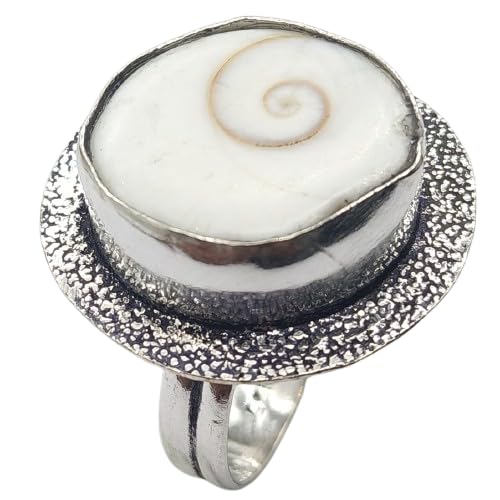
This ring features natural gemstone beads suited for daily wear, combining tradition with durability for practical chakra focus.
See it on Amazon →Cleansing and Activating Chakra Beads Safely
Cleansing chakra beads removes accumulated energies absorbed during wear or meditation, restoring their intended support. Activating beads involves setting intention and affirmations to align them with your focus.
Safe cleansing methods depend on the stone’s hardness and porosity. Moonlight cleansing suits most stones without risk. Smudging with sage or palo santo clears energies without physical contact. Sound cleansing uses instruments like singing bowls to purify beads vibrationally.
Avoid Damage
Do not use water or salt for soft or porous stones such as Selenite or Lapis Lazuli, which can dissolve or lose colour. Excess moisture or abrasive salts damage these beads.
- Moonlight cleansingPlace beads outside or on a windowsill on a full or new moon night to absorb gentle light energy.
- SmudgingPass beads through the smoke of burning sage or palo santo for a few seconds to clear energy.
- Sound cleansingHold beads near a singing bowl or bell sound for several minutes to vibrationally cleanse.
- Avoid water and salt on soft stonesIdentify porous or soft stones and exclude them from water or salt baths to prevent damage.
- Set intentionHold beads, breathe deeply, and silently or aloud affirm your purpose for the beads.
- Regular cleansingCleanse beads weekly if worn daily, or after intense meditation sessions.
Activating beads with intention is essential. Affirmations focus your mind and help establish a connection with the beads’ symbolic meanings. For example, holding Rose Quartz beads, one might affirm love and compassion as the guiding energies.
Frequency of cleansing depends on use. Daily wearers benefit from weekly cleansing; occasional users can cleanse after each use. This maintains the beads’ clarity and your connection to them.
Wearing and Maintaining Chakra Jewellery for Effective Use
Chakra beads are traditionally worn on the left wrist to support receptive energy flow, as this side is believed to draw in subtle influences. This practice helps maintain a connection between the beads and the body’s energy centres during daily activities.
During meditation, use chakra beads to count breath cycles or mantra repetitions. Hold the beads gently between the thumb and forefinger, moving one bead per breath or mantra. This tactile interaction keeps focus steady and deepens the connection to the intended chakra.
Rotate sets of chakra beads according to your current focus or intention. For example, wear a bracelet linked to the heart chakra to encourage compassion, then switch to one for the solar plexus to enhance personal power. This rotation aligns your practice with your evolving needs.
- Clean off physical dirtUse a soft cloth dampened with water to gently wipe beads after daily wear to remove oils and grime.
- Avoid harsh chemicalsDo not use soaps or cleaning agents which can damage the surface or colour of natural stones.
- Store separatelyKeep beads in a soft pouch or box to prevent scratching or tangling with other jewellery.
- Avoid prolonged sunSome stones fade or crack with excessive sunlight exposure; store beads away from direct light.
- Check stringingPeriodically inspect the cord or elastic for wear; restring beads if the material shows signs of fraying or loosening.
Commonly Claimed Versus Actual Facts About Chakra Beads
| Commonly claimed | Actually |
|---|---|
| Chakra beads heal or cure medical or psychological conditions | No scientific evidence supports chakra beads as treatments; they are tools for meditation and spiritual practice only. |
| All chakra systems use the same seven chakras and stones | Classical texts describe various chakra systems; the seven-chakra model and matching stones are modern Western adaptations. |
| Wearing chakra beads alone balances all chakras automatically | Effective chakra balancing requires meditation, breathwork, cleansing, and intention beyond just wearing beads. |
| Chakra beads vibrate at specific frequencies that affect chakras directly | The idea of crystal vibration frequencies linked to chakras is a contemporary belief without basis in classical teachings. |
| Cleansing chakra beads is a one-size-fits-all process | Different stones require specific cleansing methods to avoid damage, as outlined in traditional practice. |
Frequently Asked Questions
Related Reading
- How To Heal Your Chakras — Simple guide to chakra healing practice
- What is Chakra Healing? — Basics of chakra healing and its uses
- Chakra Colours: A Complete Guide — Detailed colour correspondences for chakras
Sources
- Chakra Healing Jewelry Guide for Energy Balance | Buddhabelief — Tibetan chakra tradition and chakra system variations
- Chakra Beads Meaning: Every Stone + How to Cleanse & Activate Your Bracelet – The Yoga Mandala — Stone correspondences and cleansing methods
- Complete Guide to Chakra Crystals: 7 Chakras & Matching Gemstones for Energy Alignment – Gem Ritual — Gemstone chakra matching and modern practices
- Chakra Crystals Guide: Stones for Each Chakra – CELESTIA CRYSTAL — Traditional stones and chakra bead care

The article covers chakra bead origins, use, and care without medical claims; consult professionals for health concerns. As an Amazon Associate, Chakra Serenity earns from qualifying purchases. Prices and availability change, so check the listing before you buy.