Chakra Colors and Emotions: A Complete Guide to Energy Healing
A clear guide linking each chakra’s colour to emotional states and healing methods
Each chakra’s colour corresponds to specific emotional states and influences health by reflecting energy flow. Understanding this relationship helps identify imbalances and apply targeted healing methods using colours, meditation, and crystals.
Chakras connect to emotions and physical states. Their colours show where feelings may be stuck or flowing, offering a clear way to notice and ease emotional tension.
Common answers often simplify chakras as just seven colours and vague feelings, missing how colours affect emotions or how to work with them effectively.
This guide clarifies the emotional meanings of each chakra colour, explains their impact on health, and gives precise methods to use chakra colours for emotional healing and energy balance.
Recommended Reading for Chakra Healing
A detailed guide on aligning energy and emotions with chakra petals Links go to Amazon and earn this site a small commission at no extra cost to you.
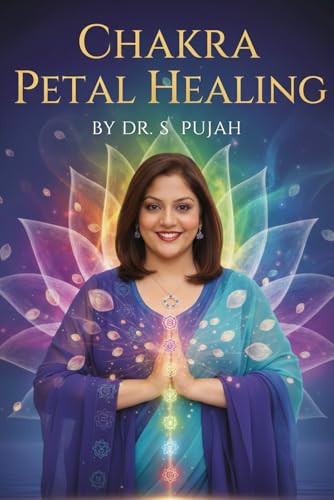
Chakra Petal Healing: A Complete Guide
This book offers in-depth methods to balance chakras through energy alignment and five-element theory, ideal for readers seeking structured healing practices.
Skip it if: Skip if you prefer brief or introductory chakra overviews.
Chakras Influence Emotions and Health
Chakras influence emotions and health by regulating the flow of subtle energy through the body, each represented by a specific colour linked to distinct emotional states. When these energy centres are balanced, emotional wellbeing and physical health tend to improve; blockages or imbalances often correspond with emotional difficulties and physical symptoms.
Each chakra’s colour acts as an emotional indicator. For example, the red of the root chakra (Muladhara) relates to feelings of security and grounding, while the blue of the throat chakra (Vishuddha) connects to communication and self-expression. These colours symbolise emotional qualities that reflect the state of the chakra and can guide recognising emotional patterns.
The mechanism behind this is the flow of energy, often called prana, moving through the chakras. Balanced energy flow supports the nervous system and hormonal balance, which affect mood and bodily functions. When a chakra is blocked or underactive, the corresponding emotions may feel suppressed or exaggerated, and the related organs or systems may experience tension or dysfunction.
For instance, a blocked solar plexus chakra (Manipura), coloured yellow, may link to low self-esteem or digestive issues, while heart chakra (Anahata) imbalances, shown in green, can manifest as difficulties in love or respiratory problems. The emotional and physical aspects are intertwined through this system of energy flow.
The seven main chakras from root to crown, each with a unique colour and emotional focus.
Understanding chakra colours helps identify specific emotional states and physical concerns. This awareness enables targeted practices such as meditation, colour therapy, and crystal healing to restore balance. Contemporary energy healing builds on this knowledge, using the chakra colours as a map for emotional and physical health.
People often ask how chakras affect emotions and health, or how chakra emotions connect to wellbeing. The answer lies in recognising that chakra colours correspond to emotional themes and that these, in turn, influence physical conditions via energy flow. This relationship forms the foundation for energy healing methods that address both emotional and bodily health.
Readers seeking more on chakra colours, including traditional and modern views, can consult Chakra Colors: The Ultimate Guide to Energy Healing for a detailed overview.
Emotional Meaning of Each Chakra Colour
Each chakra corresponds to a distinct colour traditionally linked to specific emotional states. Recognising these colours helps clarify the emotions they hold.
- Root Chakra (Muladhara) – Red: Represents safety, stability and grounding. Balanced root emotions include feeling secure and confident. Imbalances often show as fear, anxiety or restlessness, sometimes with physical sensations like lower back tension or fatigue.
- Sacral Chakra (Svadhisthana) – Orange: Governs creativity, pleasure and emotional connection. Balanced sacral emotions include joy, passion and openness. Imbalance may cause emotional numbness, guilt or mood swings, and physical signs like lower abdominal discomfort.
- Solar Plexus Chakra (Manipura) – Yellow: Linked to personal power, self-esteem and motivation. When balanced, it brings confidence and a sense of purpose. Imbalance can cause anger, low self-worth or indecision, sometimes with digestive issues.
- Heart Chakra (Anahata) – Green: Associated with love, compassion and forgiveness. Balanced heart chakra supports empathy and emotional balance. Imbalances may result in jealousy, bitterness or grief, with physical signs such as chest tightness or upper back pain.
- Throat Chakra (Vishuddha) – Blue: Governs communication and self-expression. A balanced throat chakra promotes clear speech and honesty. Imbalances can cause fear of speaking, social anxiety or dishonesty, often accompanied by sore throat or neck stiffness.
- Third Eye Chakra (Ajna) – Indigo: Involves intuition, insight and mental clarity. Balanced emotions include calmness and focus. Imbalance may cause confusion, lack of direction or nightmares, sometimes with headaches or eye strain.
- Crown Chakra (Sahasrara) – Violet or White: Connects to spirituality and higher awareness. When balanced, it brings peace and a sense of connectedness. Imbalance might cause feelings of isolation or cynicism, with possible physical symptoms like neurological issues.
Recognising Emotional Blockages Through Chakra Colours
Emotional blockages appear as either overactive or underactive chakras, each showing distinct symptoms in feelings and behaviour.
An overactive chakra produces excessive emotions linked to its colour, while an underactive chakra results in emotional dullness or repression. For instance, an overactive throat chakra may cause speaking without listening or dominating conversations, whereas an underactive one might make it difficult to express feelings or speak honestly.
Emotional blockages also manifest physically according to their chakra. Difficulty expressing emotions often relates to the throat chakra’s blue colour, signalling a blockage when one “can’t speak their emotions.” Similarly, feeling fear or insecurity in the root chakra’s red area suggests an imbalance there.
Watching emotional patterns helps identify chakra health. Persistent anger or low self-esteem points to the solar plexus chakra, while chronic jealousy or inability to forgive indicates heart chakra issues. Physical sensations such as throat tightness or stomach discomfort often accompany these emotional blockages.
Observing these signs provides practical insight into which chakra requires attention. Emotional awareness paired with noticing where in the body feelings arise guides effective healing steps.
Using Chakra Colours for Emotional Healing
You can use chakra colours for emotional healing through meditation, clothing, and crystals. These methods work by influencing the mind and body via visual, tactile, and symbolic cues, grounded in both psychological principles and traditional practice.
Colour visualisation meditation involves focusing on each chakra’s colour to evoke its emotional qualities. For example, to foster love and compassion, concentrate on the heart chakra’s green shade. Sit comfortably, close your eyes, and imagine a vibrant green light expanding in your chest. This practice can help calm anxiety and promote emotional balance by directing your attention and intention to a specific emotional state.
Wearing chakra colours also affects mood through colour psychology. Colours like red for the root chakra evoke stability and energy, while blue for the throat chakra encourages calm communication. Choose clothing or accessories in the chakra colour that corresponds to the emotion you want to support. This is not magic but a subtle reminder that influences your feelings throughout the day.
Crystals matching chakra colours are popular in energy healing. For example, rose quartz suits the heart chakra’s green colour and is believed to promote love and emotional healing. Citrine aligns with the solar plexus yellow for confidence. Placing or carrying crystals in the area of the corresponding chakra can reinforce meditation or mood work. The use of crystals is a modern adaptation of traditional Indian practices mixed with contemporary beliefs about colour and healing.
Psychological basis
Colour affects the nervous system and emotional processing, which supports meditation and wearing chakra colours as tools for emotional regulation.
This guide offers detailed meditation techniques for focusing on chakra colours to aid emotional healing.
See it on Amazon →These methods are complementary. Colour visualisation meditation trains the mind, wearing chakra colours provides environmental cues, and crystals offer physical tokens to reinforce intention. Together, they form a practical approach to working with chakra colours for emotional wellbeing.
Best Chakra Sequence for Physical and Emotional Healing
The best chakra sequence for physical and emotional healing starts from the root chakra and ascends to the crown. This order supports grounding before expanding awareness, creating a stable foundation for balanced healing.
Beginning at the root chakra, located at the base of the spine, helps establish a sense of safety and stability. This supports emotional grounding and physical security, which is essential before addressing higher chakras that deal with creativity, communication, and spirituality.
The sequence then moves upward through the sacral, solar plexus, heart, throat, third eye, and finally the crown chakra. Each stage focuses on specific emotional and physical themes: creativity and pleasure at the sacral, personal power at the solar plexus, love and connection at the heart, communication at the throat, intuition at the third eye, and spiritual connection at the crown.
Working through chakras in this order ensures that lower-level needs are met before higher-level growth. For example, it is difficult to engage with spiritual emotions if basic safety and self-esteem needs are unstable.
Spend around 5 to 10 minutes on each chakra during meditation or healing practice. Pay close attention to sensations and emotions that arise. This balanced attention helps identify and release blockages gradually, preventing overwhelm and promoting steady progress.
Unique Insights: The Relationship Between Heart Chakra Emotions and Sound Healing
The heart chakra (Anahata) governs emotional processing, linking feelings of love, compassion and empathy to deeper psychic awareness. Emotional release through this chakra often manifests physically, with tears as a natural expression of cleansing and healing.
Sound healing uses specific tones and vibrations to influence subtle energy centres. The heart chakra responds well to mid-range frequencies that resonate with its green colour and emotional qualities. These sounds can help unblock stagnant feelings, encouraging emotional openness and release.
Tears serve as an important emotional cleansing mechanism. When the heart chakra is overwhelmed or blocked, crying can provide relief by releasing suppressed emotions. This physical response supports the chakra’s role in maintaining emotional balance and resilience.
Beyond emotions, the heart chakra connects to intuition and spiritual awareness. In many traditions, love experienced through Anahata opens pathways to higher consciousness, often described as a connection to the divine or God. This link explains why emotional clarity gained here can enhance intuitive insight.
Sound healing sessions targeting the heart chakra typically involve instruments like singing bowls tuned to heart chakra frequencies or vocal toning exercises. These practices stimulate the chakra’s vibrational field, facilitating deeper emotional processing and spiritual attunement.
The link between heart chakra emotions, tears and sound healing shows how emotional release involves body, mind and subtle systems. It includes physical sensations, feelings and energetic shifts.
Common Chakra and Emotion Claims Compared to Facts
| Commonly claimed | Actually |
|---|---|
| Each chakra has a fixed colour dating back to ancient Indian texts | The familiar seven-colour chakra chart is a modern Western system; classical texts describe varying numbers and colours of chakras. |
| Blocked chakras cause specific illnesses | Classical and tantric texts link chakras to subtle energy, not specific diseases; modern claims of curing illness lack scientific evidence. |
| Wearing chakra colours directly changes your emotions | Colours may influence mood psychologically, but no direct proof exists that chakra colours alone heal emotions. |
| Sound healing can open the heart chakra and cure emotional pain | Sound may support relaxation and emotional release, but claims that it directly opens chakras or cures pain are not documented historically or scientifically. |
| The root chakra is always associated with fear and survival | While often linked to grounding and security, emotional associations with chakras vary widely in different traditions and modern teachings. |
Frequently Asked Questions
Related Reading
- Chakra Colours & The Colour Wheel — Explains chakra colours and their interactions
- How To Heal Your Chakras — Simple practical healing steps
- What is Chakra Healing? — Basics of chakra healing
- How Colours Influence Emotions and Energy — Colour psychology relevant to chakras

Focuses on chakra colours and emotional symbolism; consult qualified therapists for health issues. As an Amazon Associate, Chakra Serenity earns from qualifying purchases. Prices and availability change, so check the listing before you buy.