Chakra Colors & The Color Wheel: A Guide to Energy Healing
How chakra colours correspond to the visible spectrum and support energy healing practice
Chakra colours correspond to the visible light spectrum and form a natural colour wheel from root to crown. This connection supports colour-based energy healing by matching each chakra’s qualities with specific hues. Understanding this relationship helps balance chakras using colour therapy techniques.
People often want to know which colours correspond to each chakra and how these colours relate to emotional and physical wellbeing.
Common explanations often mix traditional chakra meanings with modern colour theory, leading to confusion about origins and practices.
This guide clarifies the documented chakra colours alongside their relationship to the colour wheel and practical methods to apply colour healing safely and effectively.
Recommended Chakra Healing Guide
For detailed colour and energy alignment techniques Links go to Amazon and earn this site a small commission at no extra cost to you.
Chakra Petal Healing
This book offers step-by-step guidance on chakra colour therapy and five-element balance, ideal for deepening your practice.
Skip it if: Skip if you prefer brief introductions or solely crystal-based methods.
Chakra Colors & The Color Wheel: A Guide to Energy Healing
The seven main chakras each correspond to a specific colour that aligns with the visible light spectrum, forming a natural colour wheel from root to crown. This alignment supports chakra balance and energy healing by linking each chakra’s qualities to a distinct hue and frequency.
Traditionally, the chakras are named Muladhara (root), Svadhisthana (sacral), Manipura (solar plexus), Anahata (heart), Vishuddha (throat), Ajna (third eye), and Sahasrara (crown). Each is associated with a colour: red, orange, yellow, green, blue, indigo, and violet respectively. These colours match the sequence of the visible spectrum, creating a continuum that reflects energy flow from the base of the spine to the top of the head.
| Chakra | Sanskrit Name | Traditional Colour |
|---|---|---|
| Root | Muladhara | #B5473A (Red) |
| Sacral | Svadhisthana | #D2762F (Orange) |
| Solar Plexus | Manipura | #C9A227 (Yellow) |
| Heart | Anahata | #4B8B5C (Green) |
| Throat | Vishuddha | #3B7EA1 (Blue) |
| Third Eye | Ajna | #43408A (Indigo) |
| Crown | Sahasrara | #7A5AA6 (Violet) |
The seven chakras aligned with their Sanskrit names and traditional colours.
The seven-colour chakra chart is a modern system popularised in the 20th century, not an ancient scriptural standard. Classical Indian texts describe varying numbers and colours of chakras. The current colour scheme combines traditional chakra concepts with Western colour theory and the visible light spectrum.
Each colour corresponds to a frequency of light, which some believe reflects the vibrational qualities of the chakras. Red frequencies are longer and grounding, while violet is shorter and associated with higher consciousness. Colour therapy uses these frequencies to support energy flow and balance in the body’s subtle system.
Using the colour wheel helps practitioners identify and correct imbalances by matching chakra qualities with their corresponding hues. For example, enhancing the solar plexus chakra with yellow light or visualisation can promote confidence and digestion. Basic colour therapy methods include visualisation, coloured light exposure, and wearing specific colours to influence chakra energy.
- Identify chakra coloursLearn the traditional colours linked to each chakra from root to crown.
- Visualise the coloursDuring meditation, focus on the corresponding colour at each chakra point.
- Apply colour lightUse coloured lamps or filters to shine specific hues on chakra areas.
- Wear or place coloursIncorporate chakra colours in clothing or decor to support balance throughout the day.
The seven chakras aligned with their Sanskrit names and traditional colours.
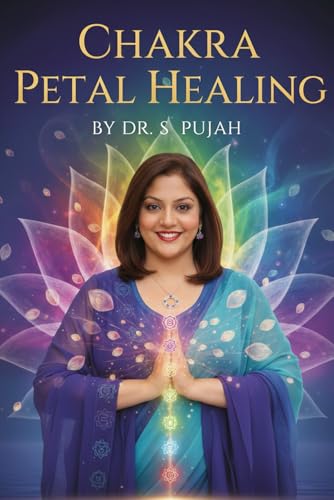
This guidebook offers detailed steps for colour visualisation and energy alignment techniques.
See it on Amazon →How Chakra Colours Affect Emotional and Physical Wellbeing
Each chakra colour carries symbolic and energetic meanings linked to specific emotional and physical aspects. For example, red at the root chakra relates to survival instincts and physical vitality, while green at the heart chakra represents love and healing.
Colour perception influences how we feel and notice energy shifts in the body. When focusing on a chakra colour during meditation, sensations such as warmth, tingling, or calm may arise, signalling engagement with that chakra’s qualities.
| Chakra Colour | Emotional Associations | Physical Associations |
|---|---|---|
| Red | Grounding, security, courage | Lower body, legs, feet, immune system |
| Orange | Creativity, pleasure, sociability | Reproductive organs, kidneys, bladder |
| Yellow | Confidence, willpower, self-esteem | Digestive system, liver, pancreas |
| Green | Compassion, forgiveness, balance | Heart, lungs, circulatory system |
| Blue | Communication, truth, expression | Throat, thyroid, vocal cords |
| Indigo | Intuition, insight, perception | Brain, eyes, pituitary gland |
| Violet | Spirituality, wisdom, connection | Nervous system, pineal gland |
Emotional and physical qualities associated with each chakra colour.
In the aura, imbalances in chakra colours may show as dullness, excessive brightness, or mixed hues. For instance, a pale blue throat chakra might suggest blocked communication, while an overly bright yellow solar plexus could indicate overactivity in ego or control.
Colour and Chakra Imbalance
Colour alone does not diagnose chakra health. Sensations and changes in mood or body function provide clearer signs. Colour therapy should complement other chakra practices, not replace medical advice.
Overactive chakras may display intensified or erratic colour expressions, while underactive chakras appear muted or faded. Recognising these clues helps practitioners adjust colour therapy to restore balance.
Traditional chakra healing uses colour as a symbolic tool, while modern approaches incorporate light therapy and chromotherapy devices. Both systems agree that colour plays a role in influencing emotional states and physical wellbeing through chakra work.
Feeling an energy shift between chakras often involves noticing subtle changes in sensation or mood linked to the associated colour. Some report feeling warmth or openness as a chakra activates, helping them sense where energy may be blocked or flowing freely.
Practising colour awareness during meditation or breathwork can enhance sensitivity to these shifts, offering insight into chakra condition and energy flow.
Concerns about losing energy through chakras refer to sensations of fatigue or imbalance. Colour therapy aims to rebalance this by reinforcing healthy chakra colours and supporting natural energy circulation.
For further guidance on emotions linked to chakra colours, see Chakra Colors and Emotions: A Complete Guide to Energy Healing.
Using the Colour Wheel to Balance Chakras: Techniques and Practices
Balancing chakras with the colour wheel involves understanding how colours relate and interact. Complementary colours, opposite each other on the wheel, can neutralise excess energy when visualised or applied. Analogous colours, next to each other, support blending and gradual shifts in energy.
Meditation using chakra colours is a common technique. Sit quietly and visualise the chakra’s colour spinning and glowing. To clear chakras before energy work, imagine the colour brightening and expanding, pushing out dull or stagnant hues. This visualisation helps prepare the subtle body for deeper practices.
Breathing exercises with coloured light add a physical dimension. Inhale imagining the chosen chakra colour entering the body, filling the space it governs. Exhale imagining any tension or blockages leaving as darker or complementary hues. Chromotherapy basics recommend these breathing cycles last several minutes for effect.
Daily life offers practical ways to support chakra balance through colour. Wearing clothing or accessories in the chakra’s hue, or arranging your environment with matching colours, reinforces the energy. For example, a blue scarf supports the throat chakra’s communication qualities.
Combining colour therapy with other chakra work, such as breathwork or massage, enhances results. Massage techniques that focus on energy centres can be paired with visualisation of colour flow, increasing awareness and clearing blockages. Colour adds a sensory layer that supports the subtle energetic shifts during these practices.
Crystals and Chakra Colours: Amplifying Colour Therapy
Crystals matched to chakra colours are popular tools in colour therapy and chakra healing. Each main chakra has stones commonly associated by colour and perceived energetic qualities. For example, red jasper suits the root chakra, carnelian the sacral, citrine the solar plexus, green aventurine the heart, blue sodalite the throat, amethyst the third eye, and clear quartz or selenite the crown.
Crystals are believed to amplify and focus colour and energy. Their natural colours act as concentrated light, supporting the chakra’s frequency during meditation or healing sessions. Placing crystals on or near the chakra points can enhance visualisation and sensation of colour flow.
Creating a chakra crystal colour wheel involves arranging the stones in a circle following the chakra sequence. Meditating with this wheel offers a combined visual and tactile focus on chakra balance. Moving attention around the wheel promotes harmony across all centres.
Some practitioners use crystals to detect chakra colour imbalances. They may notice temperature changes, tingling, or visual sensations when a stone is placed near a chakra. These responses guide which colour or crystal to focus on during healing.
Using crystals for chakra healing is a modern popular practice rather than a classical Indian tradition. Many find it helpful, but this approach belongs to contemporary energy healing methods and should be used as a complementary tool.
Signs of Chakra Colour Imbalance and How to Restore Balance
Chakra colour imbalance often shows as dull, muddy or faded hues in the chakra’s associated colour. This visual dullness signals blockages or irregular energy flow. For example, the third eye chakra, normally a deep indigo, may appear greyish when weighed down by negative energy. Such imbalances can cause emotional or physical symptoms.
An overactive chakra tends to display colours that flood or overwhelm—too bright or dominant—indicating excess energy. Conversely, an underactive chakra’s colour looks weak or pale, suggesting deficiency. Recognising these signs helps target the right colour therapy.
| Chakra Activity | Typical Signs |
|---|---|
| Overactive | Irritability, restlessness, intense emotions; colour appears too bright or flooding |
| Underactive | Fatigue, dullness, emotional numbness; colour appears faded or pale |
Common signs of chakra colour imbalances
To calm an overactive chakra, apply its complementary colour, which lies opposite on the colour wheel. This reduces intensity and restores balance. For instance, a hyperactive solar plexus chakra (yellow) benefits from violet hues to soothe it. To boost an underactive chakra, use natural colours close to its original shade to energise and strengthen it.
Combining colour therapy with meditation and energy healing enhances results. Meditation can focus awareness on the chakra’s colour, clearing blockages. Energy healing practices help circulate and balance the flow, preventing “chakra flooding,” a state of overwhelming energy that can cause discomfort or confusion.
Common Mistake
Ignoring subtle shifts in chakra colour can delay recognising imbalance. Regularly check your chakra colours visually or through guided meditation to catch early signs.
Advanced Colour Wheel Techniques for Chakra Energy Healing
Advanced colour therapy goes beyond matching single chakra colours. Colour gradient visualisation uses smooth transitions between adjacent chakra colours to encourage continuous energy flow along the spine. This technique helps reduce abrupt energy blockages.
- Colour Gradient VisualisationVisualise a gradual blend of chakra colours moving from root to crown, noticing the flow and gentle merging.
- Auric Colour CleansingImagine white light surrounding the body, then splitting into all chakra colours to cleanse and refresh the aura.
- Chromatic BreathingInhale a specific chakra colour, hold the breath briefly, then exhale a complementary colour to balance energy.
- Mindful IntegrationPractice these techniques calmly and attentively to avoid overstimulation or fatigue.
Practice Tip
Chromatic breathing supports subtle energy circulation by engaging both visualisation and breath control, making it a powerful tool when performed steadily.
This guide offers detailed exercises on chromatic breathing and colour visualisation to deepen your practice.
See it on Amazon →Common Claims About Chakra Colours and The Colour Wheel
| Commonly claimed | Actually |
|---|---|
| Each chakra colour corresponds exactly to a single wavelength of visible light. | Chakra colours align roughly with the visible spectrum but are symbolic and vary by tradition, not precise wavelengths. |
| Chakra colours are fixed and universal across all Indian spiritual texts. | Classical texts describe different chakras and colours; the seven-colour wheel is a modern Western synthesis. |
| Wearing or visualising a chakra’s colour can cure physical ailments linked to that chakra. | No scientific evidence supports colour curing illness; colour is used as a focus in meditation, not a medical treatment. |
| Crystals must match chakra colours exactly to be effective in healing. | Matching colours is a popular method, but crystal healing is a modern practice without historical mandate for exact colour matching. |
| The colour wheel in chakra healing is an ancient Indian concept. | The colour wheel concept is a contemporary Western adaptation combining chakra theory with colour psychology and therapy. |
Frequently Asked Questions
Related Reading
- Chakra Colours: A Detailed Guide to Energy Healing — Detailed chakra colour explanations
- How To Heal Your Chakras | A Simple Guide — Practical chakra healing steps
- Find your chakra colours by birthdate — Personalised chakra colour insights
- Chakra Colour Bath Ritual: A Guide to Energy Healing — Using colour baths for chakra balance

The article focuses on chakra colour symbolism and practices, not medical advice; consult professionals for health issues. As an Amazon Associate, Chakra Serenity earns from qualifying purchases. Prices and availability change, so check the listing before you buy.