Chakra Healing Movements: 7 Powerful Techniques to Balance Energy
Clear, detailed chakra healing movements and their effects you won’t find elsewhere
Chakra healing movements are specific physical exercises designed to balance and activate the seven main chakras. These movements use posture, breath, and mindful focus to release energetic blocks and improve well-being. Practising them regularly supports stability, creativity, confidence, love, communication, intuition, and connection.
Many people seek ways to balance their chakras through movement but find conflicting or incomplete information. Some sources mix tradition with modern inventions without clarity. Others list exercises without explaining how or why they affect chakras.
Chakra healing movements come from diverse traditions, including classical Indian tantra, yoga, and modern adaptations. Understanding their origins, methods, and safety helps practitioners avoid common mistakes and get consistent results.
This article offers a clear, practical guide to seven powerful chakra healing movements. It explains the effects of each, their traditional background, and how to safely include them in daily life. You will also learn how these movements interact with breathwork, crystals, and meditation.
Recommended Chakra Healing Guide
A complete manual for energy alignment and balance Links go to Amazon and earn this site a small commission at no extra cost to you.
Chakra Petal Healing Guide
This guide covers chakra balancing, five-element theory, and energy alignment in detail, suitable for beginners and experienced practitioners.
Skip it if: Skip if you prefer brief or practice-only resources without theory.
Chakra Healing Movements: 7 Powerful Techniques to Balance Energy
Chakra healing movements are targeted exercises that activate and balance the seven main chakras from the base of the spine to the crown of the head. Each movement focuses on the physical area linked to a chakra to stimulate the flow of prāṇa, or life force, and release tension.
The seven chakras are Muladhara (root), Svadhisthana (sacral), Manipura (solar plexus), Anahata (heart), Vishuddha (throat), Ajna (third eye), and Sahasrara (crown). They correspond to specific body regions and relate to themes like grounding, creativity, confidence, love, communication, intuition, and connection.
The seven chakras from Muladhara (root) to Sahasrara (crown) with Sanskrit names.
These movements combine posture, controlled breath, and mindful attention to clear blockages in each chakra’s area. They differ from general exercise by focusing on subtle energy flow and inner awareness alongside physical motion.
Below are seven precise movements, one for each chakra, designed to stimulate and balance their respective centres. Each includes a safety note to prevent strain or injury.
- Muladhara (Root Chakra) – Grounding StanceStand with feet hip-width apart and knees slightly bent. Rock gently forward and back to engage the legs and pelvis, feeling your connection to the earth. Keep your spine straight and breathe steadily. Avoid locking the knees or stiffening the legs, which can block energy flow.
- Svadhisthana (Sacral Chakra) – Hip CirclesSit or stand and rotate your hips slowly in circles first clockwise, then counterclockwise. This loosens the pelvic area and encourages creative flow. Use a comfortable range of motion and stop if you experience pain.
- Manipura (Solar Plexus Chakra) – Core TwistsSit cross-legged or stand with feet apart. Gently twist your torso to each side while keeping your spine tall. This activates the abdominal area related to personal power. Move smoothly and avoid sudden, jerky motions.
- Anahata (Heart Chakra) – Chest OpenersInterlace your fingers behind your back and lift your chest while drawing the shoulder blades together. This opens the heart centre, supporting love and compassion. Avoid straining your shoulders or neck; keep the movement gentle.
- Vishuddha (Throat Chakra) – Neck RollsSlowly roll your head in a full circle, moving the ear toward the shoulder, chin to chest, and back. This mobilises the throat area to aid communication. Keep movements soft and avoid overstretching the neck muscles.
- Ajna (Third Eye Chakra) – Forehead PressPlace your index fingers gently on the centre of your forehead and apply light pressure with closed eyes. This supports focus and intuition. Do not press hard or cause discomfort.
- Sahasrara (Crown Chakra) – Seated Forward FoldSit with legs extended and hinge forward from the hips, reaching toward your feet or shins. This calms the mind and supports connection to higher awareness. Avoid excessive rounding of the lower back or forcing the stretch.
Safety Note
Always move within your comfort range and avoid sharp pain. Consult a healthcare professional before practising if you have injuries or medical conditions.
Pairing these movements with breathwork such as alternate nostril breathing enhances energy balance by regulating subtle channels. Crystals placed on corresponding chakra points can support focus and intention. Meditations that visualise each chakra’s location and colour deepen the experience.
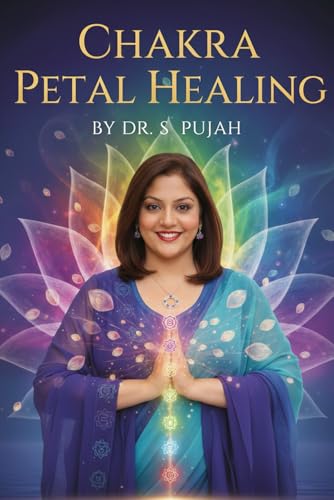
This guide offers clear instructions and insights for aligning chakras through movement, breath, and mindful focus.
See it on Amazon →How Chakra Healing Movements Work on the Body
Chakra healing movements work by stimulating and balancing the body’s physical and subtle energy systems. Chakras are understood as energy centres that influence the nervous and endocrine systems, linking physical health to emotional and mental states. Movement directed at these centres can affect bodily functions associated with each chakra’s location.
Physical movement helps to release muscle tension that often blocks the natural flow of prana, or life force, through the body. Stretching, twisting, and opening postures increase circulation and nerve stimulation, which supports prana flow and encourages emotional release. Combining movement with mindful breathing enhances this effect by calming the nervous system and focusing attention on specific chakras.
Mindfulness Matters
Muscle tension restricts breath and energy flow. Mindful movement combined with breathwork helps clear these blockages, making chakra healing movements effective grounding techniques.
Chakra healing movements use breath and awareness to engage the parasympathetic nervous system, promoting relaxation and balance. For example, slow, deep breathing synchronised with movements encourages a steady flow of oxygen and prana, which can calm anxiety often stored in the lower chakras. This interplay between breath, muscle action, and focus forms the basis of many effective chakra exercises.
Traditional chakra concepts describe chakras as spinning wheels or lotuses of energy, but modern interpretations often combine these ideas with contemporary anatomy and psychology. Western practices tend to visualise chakra energy as coloured lights and link them to emotional states, which helps practitioners connect movement and sensation. However, classical texts rarely mention colours or crystals; these are modern additions to the practice.
Scientific research on chakra movements is limited but shows that mindful physical activity reduces stress and improves mental clarity. Movement that targets specific body areas related to chakras may enhance body awareness and emotional regulation, though no direct physiological measurements confirm chakra activation. Practising these movements regularly supports grounding by linking breath, muscle engagement, and focused intention.
Historical Origins and Traditions of Chakra Healing Movements
Chakra healing movements originate from Indian spiritual traditions where chakras are described as subtle energy centres located along the spine. Early texts like the Yoga Upanishads and tantric scriptures from around the first millennium CE mention chakras and the energy channels (nadis) connecting them. These texts focus on awakening spiritual energy through breath, meditation, and specific exercises.
Kundalini yoga is central to traditional chakra movement practices. It aims to awaken dormant energy at the Muladhara (root chakra) and guide it upward through the chakras. This is achieved through kriyas—precise sequences of breath, posture, and mantra. These movements are designed to clear energetic blockages and stimulate chakra activation.
Classical sources vary in the number and nature of chakras. Some describe five, others seven or more. The widely known system of seven chakras with associated rainbow colours and crystals is a modern Western synthesis, developed mainly in the 20th century. These colour and crystal correspondences do not appear in the classical Sanskrit texts.
Beyond Indian traditions, other Asian practices have influenced modern chakra healing movements. Chinese qigong uses slow, flowing movements to circulate qi through meridians, concepts similar to nadis. This cross-cultural exchange has introduced diverse methods and terms into contemporary chakra movement practices.
Documented Origins
The Yoga Upanishads and the Shiva Samhita describe chakras and energy pathways. Kundalini yoga’s kriyas are detailed in the Hatha Yoga Pradipika. Modern additions like chakra colours and crystals come from 20th-century Western esoteric traditions.
Different traditions emphasise distinct approaches: Indian tantra focuses on meditation and subtle energy; kundalini yoga combines breath, movement, and mantra; Western systems often blend crystals, colours and affirmations. Knowing these origins helps practitioners select appropriate chakra healing movements and respect their cultural roots.
For practical chakra meditation techniques that complement movement practices, see 7 Powerful Chakra Meditation Techniques for Energy Balance.
Safety Considerations and Emotional Effects of Chakra Movements
Chakra healing movements can cause emotional release, which is a common and normal effect. You might feel sudden shifts in mood, sensations of heat or tingling, or a sense of lightness or heaviness. These responses occur because chakra activation influences subtle energy centres linked to emotional storage and expression.
Risks in Chakra Activation
Certain practices, such as kundalini yoga, deliberately awaken intense energy from the base of the spine. This can bring strong physical sensations and emotional upheaval. Without careful guidance, some may feel overwhelmed, anxious, or physically unwell.
To reduce risks, start chakra movements gradually and observe your body’s responses. If unfamiliar with intense practices like kundalini awakening, seek instruction from experienced teachers. Avoid forceful or rapid activation techniques that claim immediate results.
Some health conditions contraindicate chakra practices that involve breath retention, inverted postures, or rapid movements. These include high blood pressure, heart problems, epilepsy, and pregnancy. Consult a healthcare professional before beginning any vigorous chakra movement routine.
Grounding and calming techniques help manage emotional or physical discomfort. Examples include sitting quietly with feet on the floor, gentle breathwork focusing on long exhales, and walking barefoot on natural surfaces. These methods stabilise the nervous system after practice.
Emotional Release
Emotional release during chakra healing movements signals energy shifts rather than pathology. Allow feelings to surface without judgement, and pause if sensations become too intense.
Integrating Chakra Healing Movements into Daily Life
For beginners, practising chakra healing movements for 5 to 10 minutes daily builds consistency without strain. Regular practitioners may extend sessions to 20 or 30 minutes, focusing on specific chakras as needed.
Combining movements with chakra breathwork and meditation enhances balance. For example, alternate nostril breathing calms and equalises energy flow. Adding crystals placed near chakra points supports focus but is a modern complementary practice, not an ancient requirement.
Listening to your body’s signals guides how to adjust practice. Notice physical comfort, emotional tone, and mental clarity. If fatigue or discomfort appears, reduce intensity or take a rest day.
- Set a Regular TimeChoose a consistent time daily to build habit and prepare your mind.
- Start with BreathworkBegin each session with gentle breathing to centre attention.
- Perform Chakra MovementsFollow the sequence targeting each chakra or focus on one needing balance.
- Include Meditation or AffirmationsComplete practice with quiet meditation or chakra-related affirmations.
- Journal Your ExperienceRecord sensations, emotions, and any changes after practice.
Practise chakra movements daily for 5–10 minutes initially. Combine with breathwork and meditation to deepen effects. Adjust your routine based on how you feel.
Comparing Chakra Healing Techniques and Their Effectiveness
Chakra healing exercises vary widely, including kundalini yoga, classical yoga poses, qigong, and simple grounding movements. Each approach differs in intensity, focus, and accessibility, shaping their suitability for different practitioners and goals.
Kundalini yoga targets chakra activation by awakening dormant energy at the spine’s base and moving it upwards. This approach is intense, involving breathwork, mantra, and dynamic movements. It can trigger strong emotional release and requires careful guidance. Classical yoga poses, such as those targeting Muladhara (root chakra) or Anahata (heart chakra), focus more on physical alignment and breath control, offering moderate intensity and broad accessibility.
Qigong, while not originating from Indian chakra traditions, shares the concept of energy centres and uses slow, flowing movements to balance subtle energy. It is gentle and accessible, suitable for those seeking a calm practice. Simple grounding exercises, like standing barefoot and mindful breathing, offer the least intensity and provide a foundation for chakra balancing that anyone can practise.
| Technique | Intensity | Focus | Accessibility |
|---|---|---|---|
| Kundalini Yoga | High | Chakra activation and energy awakening | Requires experience and guidance |
| Classical Yoga Poses | Moderate | Physical alignment, breath, chakra stimulation | Widely accessible |
| Qigong | Low to moderate | Subtle energy flow and balance | Accessible and gentle |
| Grounding Exercises | Low | Stability and presence | Easiest for beginners |
Comparison of chakra healing movement techniques
There is no scientific evidence that chakra healing exercises cure medical or psychological conditions. Their benefits come from physical movement, breath regulation, and focused attention, which support well-being. Intense practices like kundalini yoga suit those prepared for deep energetic shifts, while gentle methods serve those seeking relaxation and gradual balance.
Many practitioners combine movement with affirmations and crystals. Affirmations help focus on specific chakra qualities, reinforcing intention. Crystals placed on chakra points are a modern addition, believed to support balance through their vibrational properties. These complements enhance the practice but do not replace physical movement or breathwork.
Suitable for
- Kundalini yoga: those ready for intense energy work and emotional release
- Classical yoga: practitioners wanting physical and subtle alignment
- Qigong: people preferring gentle, flowing movement
- Grounding exercises: beginners or those needing simple stability
Less suited to
- Kundalini yoga: beginners or those sensitive to strong energy may find it overwhelming
- Classical yoga: those seeking purely gentle practice
- Qigong: those wanting explicit chakra activation may find it indirect
- Grounding exercises: limited for deep chakra activation
Common Claims About Chakra Healing Movements
| Commonly claimed | Actually |
|---|---|
| Chakra colours and crystal correspondences are ancient, fixed facts | The rainbow colours and specific crystal pairings are modern Western additions, not found in classical Indian texts. |
| Kundalini yoga is a gentle practice for chakra healing | Kundalini yoga intentionally awakens dormant energy and can cause intense emotional and physical effects. |
| Chakra healing movements alone can cure physical or mental health conditions | There is no scientific evidence that chakra healing cures medical conditions; it is a spiritual practice for well-being. |
| All chakra healing movements are the same across traditions | Different traditions use varied movements and techniques, reflecting distinct cultural and spiritual contexts. |
| Crystals placed on chakras emit healing energy by themselves | Crystals support chakra work as symbolic tools; their effects rely on focused intention and practice, not inherent energy. |
Frequently Asked Questions
Related Reading
- 7 Powerful Chakra Balancing Techniques — Details on chakra energy healing methods
- 7 Powerful Chakra Cleansing Techniques — Techniques for cleansing chakras thoroughly
- 7 Powerful Chakra Stones for Energy Healing — Crystals matched to chakras for healing
- Powerful Chakra Balancing Scents — Using scents to support chakra energy
Sources
- How to Balance & Activate Chakras in 7 Powerful Steps — Seven chakras, colours, meditation, affirmations
- How to Balance Your Chakras: 7 Powerful Techniques That Actually Work | Align My Aura | Align My Aura — Breathwork, crystals, yoga poses, modern practices
- 7 Powerful Yoga Practices for Chakra Healing — Kundalini yoga, yoga poses, chakra activation
- How to Heal Your Chakras: 7 Powerful Techniques for Balance and Vitality – Tess Whitehurst — Flower essences, modern chakra concepts

The article focuses on chakra healing movements as spiritual practice and does not cover medical advice; consult professionals for health issues. As an Amazon Associate, Chakra Serenity earns from qualifying purchases. Prices and availability change, so check the listing before you buy.