Best Essential Oils for Chakra Balancing: Top 7 Aromatherapy Blends
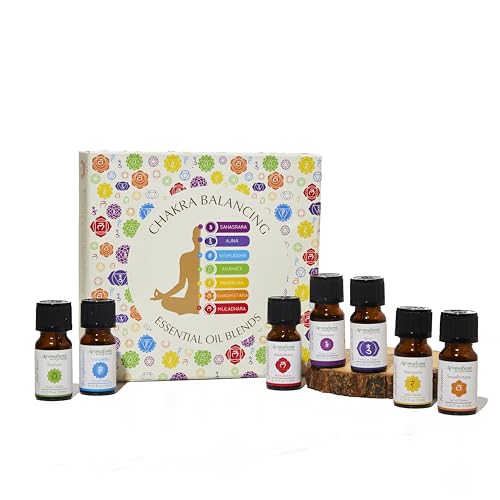
Clear, safe, and practical aromatherapy blends to support chakra harmony
Essential oils for chakra balancing include blends tailored to the seven main chakras, such as patchouli for the root and rose for the heart. These oils are applied safely through dilution and combined with meditation or yoga to support well-being.
Essential oils are popular for supporting chakra balancing. These blends are used to encourage focus, relaxation, and emotional steadiness, but information often mixes modern use with unproven claims.
Common mistakes include ignoring safe dilution, expecting essential oils to cure health issues, or assuming fixed oil-to-chakra correspondences from ancient texts.
This guide separates traditional uses from modern aromatherapy trends, offers safe usage instructions, and explains how to integrate oils with meditation or yoga for balanced chakra work.
Recommended Essential Oil Blends for Chakra Balancing
High-quality blends designed for safe, effective chakra aromatherapy Links go to Amazon and earn this site a small commission at no extra cost to you.
The Goddess of Flame Grounding Roll-On Oil
This blend features earthy oils supporting root chakra stability and grounding, ideal for meditation and daily rituals. The roll-on format allows precise, safe topical application.
Skip it if: Skip if you prefer a diffuser or larger volume oils for full-room scenting.
Best Essential Oils for Chakra Balancing: Top 7 Aromatherapy Blends
The best essential oils for chakra balancing include patchouli and cedarwood for the root chakra, sweet orange and ylang ylang for the sacral chakra, lemon and peppermint for the solar plexus, rose and lavender for the heart, lavender and eucalyptus for the throat, frankincense and clary sage for the third eye, and sandalwood and rose for the crown chakra. These oils are applied mainly through diffusion, diluted topical use, baths, or massage, often combined with meditation or yoga.
The association of specific oils with each chakra is a modern aromatherapy tradition rather than classical Sanskrit teaching. Ancient texts do not specify fixed oils, but contemporary practice pairs certain scents with chakra qualities to support focus and relaxation.
The seven main chakras with their Sanskrit names
- Root Chakra (Muladhara): patchouli, cedarwood, vetiver, frankincense
- Sacral Chakra (Svadhisthana): sweet orange, ylang ylang, sandalwood
- Solar Plexus Chakra (Manipura): lemon, ginger, peppermint, cinnamon
- Heart Chakra (Anahata): rose, geranium, bergamot, lavender
- Throat Chakra (Vishuddha): lavender, sage, eucalyptus, peppermint
- Third Eye Chakra (Ajna): frankincense, clary sage, rosemary
- Crown Chakra (Sahasrara): sandalwood, rose
Topical use requires dilution with carrier oils such as jojoba, sweet almond, or coconut oil to prevent skin irritation. A typical dilution ratio is 2-3 drops of essential oil per teaspoon of carrier oil for adults. Diffusers disperse oils into the air, allowing gentle inhalation suitable for all skin types.
Dilution and patch testing
Always dilute essential oils before applying to skin and perform a patch test by applying a small diluted amount on the forearm to check for allergic reactions over 24 hours.
- DilutionMix 2-3 drops of essential oil with 5 ml of carrier oil.
- Patch testApply a small amount of diluted oil to your inner forearm and observe for 24 hours for any reaction.
- ApplicationApply diluted oil gently to the chakra point or pulse points.
- Combine with practiceUse oils during meditation or yoga for focused chakra work.
Typical carrier oils include jojoba for its stability and skin compatibility, sweet almond for its moisturising properties, and fractionated coconut oil for easy absorption. These carriers help spread the essential oils safely over the skin.

The Goddess of Flame Grounding Roll-On Oil combines patchouli and cedarwood, diluted in a carrier oil, ready for topical use before meditation or yoga to support the root chakra.
See it on Amazon →How to Safely Apply Essential Oils for Chakra Balancing
- Choose the right dilutionFor normal skin, use 2-3 drops of essential oil per teaspoon (5 ml) of carrier oil; reduce to 1 drop per teaspoon for sensitive skin.
- Select a carrier oilJojoba oil suits most skin types; sweet almond oil is good for dry skin; avoid nut oils if allergic.
- Perform a patch testApply diluted oil to a small area on the forearm and wait 24 hours to check for redness, itching or swelling.
- Apply to chakra pointsUse diluted oils on the skin at chakra locations or pulse points; avoid broken skin or mucous membranes.
- Limit frequencyUse topical applications no more than twice daily to avoid irritation; diffuse oils for shorter periods (15-30 minutes).
Safety risks
Some oils cause photosensitivity; avoid sun exposure after applying citrus oils. Never ingest essential oils, and consult a healthcare professional if pregnant, nursing, or with medical conditions.
Recognising Chakra Imbalance Symptoms and How Oils Help
Each chakra governs specific emotional and physical functions, so imbalance symptoms vary. The root chakra often shows as anxiety or fatigue, while sacral imbalance may cause emotional instability or creative blocks. Solar plexus issues can lead to low confidence, and heart chakra imbalance might bring feelings of isolation or grief. Throat chakra problems affect communication, third eye imbalance can cause confusion, and crown chakra issues might manifest as disconnection or lack of inspiration.
Essential oils for chakra healing support relaxation and mood regulation rather than curing conditions. Their aroma can ease stress and create a calm environment, which may help with meditation and yoga practices. Using oils alongside these practices can deepen focus and encourage a sense of well-being.
Clarification
No scientific evidence shows essential oils cure chakra imbalances or medical conditions. They complement other practices but do not replace professional care.
Using aromatherapy alongside other chakra practices like meditation, breathwork, or crystals forms part of a broader routine. Aromatic support complements physical and mental practices rather than replacing them.
Recommended Essential Oil Blends for Each Chakra
- Root Chakra (Muladhara): Patchouli, cedarwood, vetiver, frankincense. These oils traditionally connect to grounding and stability, offering earthier, resinous scents. Use for diffusing or diluted topical massage to support feelings of security.
- Sacral Chakra (Svadhisthana): Sweet orange, ylang ylang, sandalwood. Their warm, sweet, and floral aromas stimulate creativity and emotional balance. Suitable for diffusion during creative work or gentle application after dilution.
- Solar Plexus Chakra (Manipura): Lemon, ginger, peppermint, cinnamon. These citrusy and spicy oils energise and boost confidence. Diffuse or dilute for topical use, especially before activities requiring motivation.
- Heart Chakra (Anahata): Rose, geranium, bergamot, lavender. Floral and fresh scents promote compassion and emotional openness. Apply diluted to pulse points or use in meditation diffusion.
- Throat Chakra (Vishuddha): Lavender, sage, eucalyptus, peppermint. Herbal and fresh aromas support clear communication. Use diluted in massage or diffuse during vocal exercises.
- Third Eye Chakra (Ajna): Frankincense, clary sage, rosemary. Woody and herbaceous scents encourage focus and intuition. Diffusion is recommended, with diluted topical use on temples if desired.
- Crown Chakra (Sahasrara): Sandalwood and rose. Their gentle, sweet, and woody fragrances foster connection and calm. Diffuse during meditation or dilute for pulse point application.
These blends reflect modern tradition rather than classical texts but have been tested for their complementary scents and effects. They suit use in diffusers, baths, or topical application after dilution with carrier oils. The scent characteristics vary from earthy and grounding at the root, to light and floral at the crown. Expect mood support, calming effects, and enhanced meditation focus.
Applying the blends to chakra points or pulse points with a suitable carrier oil is common. Always use safe dilution and patch test before topical use. Diffusion supports a gentle aromatic environment without direct skin contact.
Try these blends during meditation or yoga to enhance the sensory experience. Their aromas may help deepen concentration and create a consistent routine.
For more on essential oils and chakra practices, see Chakra Aromatherapy: Essential Oils for Energy Balance.
Combining Essential Oils with Meditation, Yoga, and Crystals
Essential oils enhance chakra practices like meditation and yoga by supporting focus and relaxation. You can apply oils before or during these activities to deepen the experience. For example, balancing the heart chakra can involve using rose or geranium oil, known for calming and uplifting effects.
Apply essential oils safely on pulse points or directly on chakra locations with mindful breathing. Dilute oils with a carrier oil before touching the skin. Inhale slowly and notice sensations to stay present.
- Use a drop of diluted oil on wrists, temples, or the chest before meditation to create a calming atmosphere.
- During yoga, rub diluted oil on the skin near chakra points to promote awareness and grounding.
- Pair essential oils with crystals that correspond to the same chakra to support concentration. For example, rose quartz with rose oil for the heart chakra.
- Create a simple ritual combining oil application, mindful breathing, and setting an intention. Adjust the ritual based on your response and comfort.
Historical and Cultural Background of Essential Oils and Chakras
Classical Sanskrit texts on chakras do not specify essential oils for each chakra. The fixed correspondences between specific oils and chakras developed in the 20th century, influenced by Western aromatherapy and tantra-inspired spiritual practices. Regional uses of plants also shaped choices of oils used today.
Documented fact
The Flag Code of India states that the Ashoka Chakra on the national flag has 24 spokes, but classical chakra systems in Sanskrit texts vary widely in number and attributes, without references to essential oils.
There is no scientific evidence linking essential oils directly to chakras. Modern associations are part of a contemporary practice that combines historical concepts with new aromatherapy traditions rather than ancient prescriptions.
Common Claims About Chakra Essential Oils Compared to Reality
| Commonly claimed | Actually |
|---|---|
| Essential oils can cure chakra imbalances or medical conditions | There is no scientific evidence that essential oils cure or treat medical or psychological conditions; they support relaxation and sensation during chakra practices. |
| Each chakra corresponds exactly to a specific essential oil with fixed effects | Associations of oils with chakras vary among practitioners and are a modern tradition, not detailed in classical Sanskrit texts. |
| Using essential oils on chakras guarantees emotional or spiritual healing | Essential oils may support mood or relaxation but do not guarantee healing; effects depend on individual practice and context. |
| Essential oils should be applied undiluted directly on chakras for best results | Essential oils must be diluted with carrier oils for safe topical use to avoid skin irritation and allergic reactions. |
| Combining essential oils with crystals or meditation always enhances chakra balancing | Many people combine these practices, but enhancement varies and is subjective; no scientific proof confirms consistent effects. |
Frequently Asked Questions
Related Reading
- Chakra Balancing Aromatherapy — Essential oils for energy flow techniques
- Essential Oils for Chakras Guide — Complete guide to oils and chakra healing
- How to Balance All 7 Chakras — Step-by-step chakra balancing methods
- 7 Simple Steps To Balance Your Chakras — Practical chakra balancing instructions
Sources
- Essential Oils For Chakras Balancing | Perfectly Heal Each Chakra – VedaOils — Chakra essential oils and their traditional associations
- The Best Chakra Essential Oil Blends – Mantras and Mulberries — Recommended blends and safety tips
- Chakra Healing with Essential Oils: A Guide to Energy, Aroma & Alignment — Ivy+Light — Combining oils with meditation and crystals
- Essential Oils for Chakra Balancing — Application methods and safety precautions

This guide covers essential oils for chakra balancing and safe use; consult a qualified professional for health issues. As an Amazon Associate, Chakra Serenity earns from qualifying purchases. Prices and availability change, so check the listing before you buy.