How to Balance Chakras With Meditation
Step-by-step methods and practical tips for chakra meditation
Meditation balances chakras by focusing attention and visualising each energy centre. This practice supports emotional and mental clarity by promoting harmony among the seven chakras.
Many seek to balance chakras to improve wellbeing, yet find conflicting advice online. Some approaches simplify chakras as just colours or vague energy, missing key details.
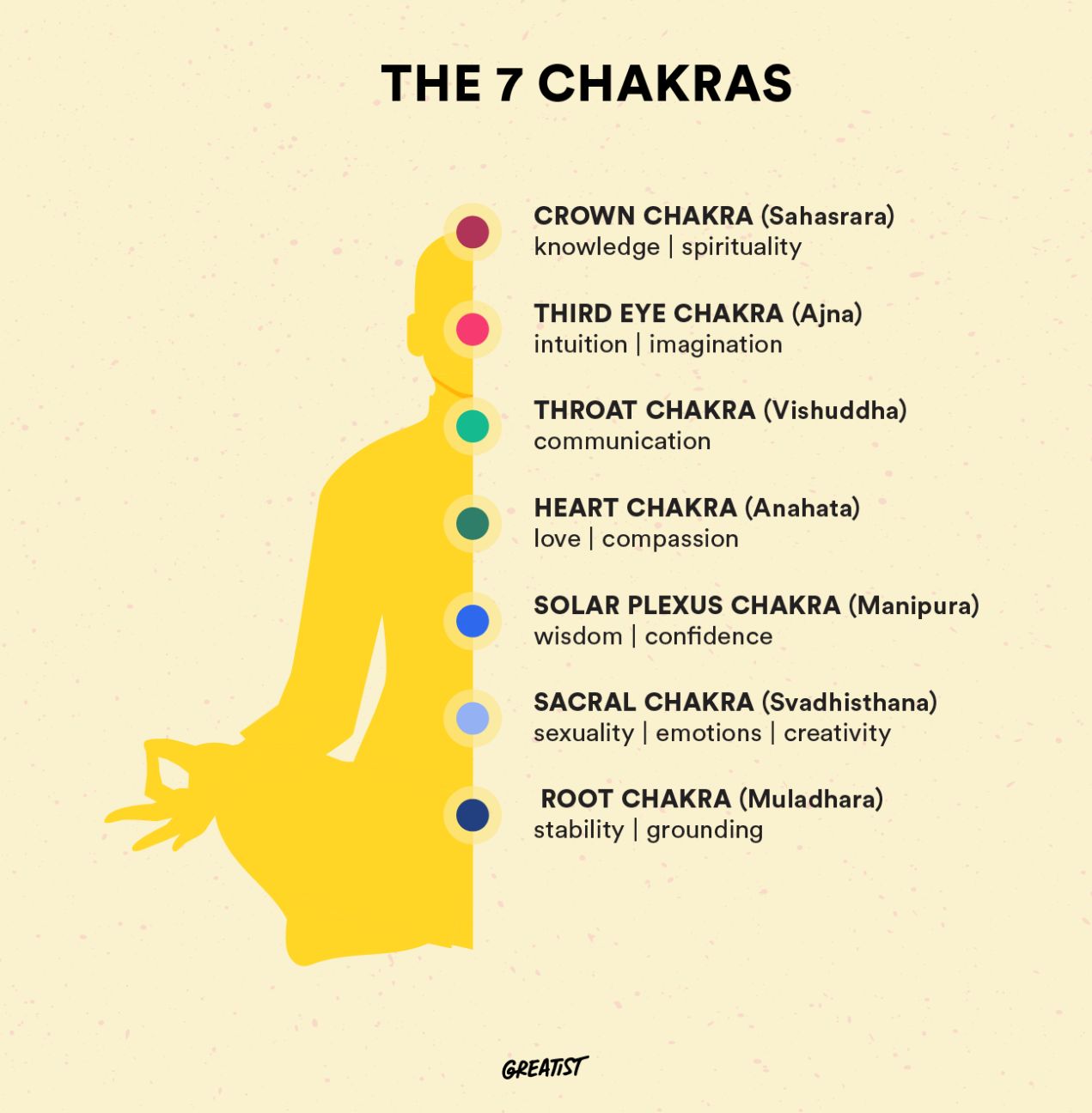
Chakras are traditionally described as seven main centres located along the spine, each with its own qualities and colours. Understanding their placement and function is crucial to effective meditation.
This guide lays out clear, practical steps to balance chakras through meditation, explaining why each part matters and answering common questions about the process.
A Product to Support Root Chakra Balance
An essential oil blend to enhance grounding during meditation Links go to Amazon and earn this site a small commission at no extra cost to you.
The Goddess of Flame Grounding Roll-On Oil
This roll-on oil uses earthy essential oils to help calm the mind and stabilise the root chakra, making it easier to feel grounded during meditation.
Skip it if: Skip it if you prefer unscented meditation or have sensitive skin.
How to Balance Chakras With Meditation
Balancing chakras with meditation involves sitting quietly, focusing on each energy centre from root to crown, and using visualisation and affirmations to harmonise them. This process itself is the balance, achieved through attentive practice rather than a separate cleansing step.
Begin by finding a quiet, comfortable place where you can sit undisturbed. Use a firm cushion or chair that allows you to keep your back straight without strain. A straight spine supports steady breathing and alertness while a relaxed body prevents tension from distracting you.
Focus on deep, slow breathing. Inhale through the nose, filling the lungs fully, and exhale gently through the mouth. This breath rhythm calms the nervous system and centres your attention.
- Sit comfortablyFind a quiet spot and sit with a straight back and relaxed shoulders.
- Breathe slowlyTake deep breaths, noticing the rise and fall of your abdomen.
- Visualise each chakraStarting at the base of the spine, picture the root chakra as a red spinning wheel. Move upward through sacral (orange), solar plexus (yellow), heart (green), throat (blue), third eye (indigo), and crown (violet or white). Note their location and colour clearly.
- Use affirmationsMentally repeat a positive phrase for each chakra, such as “I am grounded” for root or “I speak my truth” for throat.
- End gentlyFinish by focusing again on your breath, then stretch your body slowly to reawaken muscles.

The Goddess of Flame Grounding Roll-On Oil helps anchor your energy and calm the mind, preparing you to focus during chakra meditation.
See it on Amazon →The seven main chakras from Muladhara (root) to Sahasrara (crown)
Key detail
Balancing chakras through meditation is a single practice. The visualisation and affirmations directly influence the state of each chakra, so it is not necessary to perform separate cleansing steps beforehand or afterwards.
When to Balance Chakras With Meditation
Meditation itself balances chakras by focusing attention and cultivating harmony among them. There is no strict rule about balancing chakras before or after meditation because the meditation is the balancing.
You can practise chakra balance as the meditation, using the visualisation and breathwork described above. Some people find grounding exercises before meditation help settle the mind and body, making the chakra meditation more effective.
After meditation, taking time for quiet reflection can support integration. Notice any changes in mood or clarity but avoid forcing expectations.
Clarification
Balancing chakras is not a separate step but the core of the meditation practice itself. Pre-meditation grounding and post-meditation reflection are optional aids rather than required phases.
Common mistake
Waiting to balance chakras only after other meditation practices can fragment the process. The most straightforward approach is to include chakra focus during your meditation session.
Using Music and Sound for Chakra Balancing Meditation
Music supports chakra meditation by helping the mind relax and focus. Many people find that certain sounds make it easier to settle into a calm, attentive state. This is why music is often chosen specifically for chakra balancing sessions.
Some instruments and frequencies are linked to individual chakras. For example, the root chakra is often associated with low drum beats or deep tones, while the throat chakra pairs with higher pitched sounds like bells. These connections come from modern practice rather than ancient texts.
Background noises, such as a door closing or a faint sound above the head, may occur during meditation. These sounds might be part of the environment or arise from subconscious perception. They do not necessarily carry special meaning but can be acknowledged without distraction.
Sound is a Tool
Sound can aid meditation but does not guarantee chakra balancing. The effect depends on your focus and receptiveness, not the music alone.
Choose music that helps you maintain calm and concentration. This differs between individuals. Some prefer instrumental tracks with steady rhythms, while others find nature sounds or silence more effective.
“High energy chakra balancing music meditation” often features faster tempos and uplifting melodies. These may stimulate alertness but can also reduce calmness if too intense. “Chakra cleansing and balance meditation music healing music positive energy relax mind body” usually describes slower, soothing compositions designed to support relaxation and positive mood.
Music Choice Matters
Select music that suits your meditation style and the balance you seek. Comfort and focus come first.
If you hear a door close or feel a sensation during meditation, such as something “put over your head,” these are common experiences. They reflect your awareness or environmental sounds, not spiritual events.
Using music purposefully can enhance your meditation, but keep your attention on the chakras themselves. Music supports, it does not replace meditation practice.
Exercises and Yoga Poses to Support Root Chakra Balance
The root chakra (Muladhara) relates to grounding and physical stability. Strengthening this chakra involves connecting with the body and the earth through movement and breath.
Simple standing postures and grounding exercises build a sense of security and balance. These can prepare the body for meditation and deepen the experience.
Breath awareness is essential. Mindful breathing during poses helps anchor attention and encourages calm.
- Mountain Pose (Tadasana)Stand with feet hip-width apart, weight evenly distributed. Notice your connection to the floor and lengthen your spine.
- Warrior II (Virabhadrasana II)Step one foot back, bend the front knee, and stretch arms out parallel to the floor. Feel strength in your legs and a steady gaze.
- Tree Pose (Vrikshasana)Balance on one leg, place the other foot on the inner thigh or calf, and bring hands to heart centre or overhead. Focus on grounding through the standing foot.
Suits
- Beginners wanting physical grounding
- Those combining breath and movement
- People seeking stability before meditation
Less suited to
- Those with balance difficulties
- Anyone with recent lower limb injury
- People preferring seated practices
Combining these exercises with meditation focused on the root chakra gives the best results. The physical practice supports mental focus and emotional grounding.
For more detailed meditation methods, see How to Balance All 7 Chakras: Step-by-Step Guide.
Tips for Successful Chakra Meditation
Balance chakras during meditation itself, not before or after. The focus on each chakra happens in the session, while quiet and steady concentration builds harmony.
- Practice daily, even for five minutes. Regularity creates a habit that deepens the effect over time.
- Choose a quiet, comfortable place with minimal distractions. Sitting upright on a firm cushion supports alertness.
- Wear loose clothing to avoid discomfort and allow free breathing.
- Use simple affirmations for each chakra to focus the mind. For example, say silently “I am grounded” for the root chakra.
- Be patient. Chakra balancing takes time and repeated practice to notice subtle shifts.
- Optionally, incorporate aromatherapy or crystals to enhance focus and calm. Choose scents or stones that suit your preference and comfort.
Daily Practice
Even brief daily meditation is more effective than occasional long sessions. Consistency helps the nervous system adjust and supports gradual chakra balance.
Common Claims About Chakra Meditation vs Reality
| Commonly claimed | Actually |
|---|---|
| Meditation instantly clears all chakras. | Chakra balancing is a gradual process; meditation helps focus but does not produce immediate clearing. |
| Chakras are physical organs inside the body. | Chakras are symbolic energy centres described in Indian traditions, not physical body parts. |
| Sound frequencies can directly tune chakras. | Using sound supports meditation focus, but there is no scientific evidence that frequencies change chakras physically. |
| Visualising colours cures emotional problems linked to chakras. | Colour visualisation aids concentration during meditation but does not cure emotions or health issues. |
| Chakra meditation can cause supernatural sensations or sounds. | Physical sensations may occur during meditation, but these are natural responses, not supernatural effects. |
Frequently Asked Questions
Related Reading
- Scented Meditation for Chakras — Using aromatherapy in chakra meditation
- Best Chakra Stones for Meditation — Crystals paired with chakras for meditation
- 7 Powerful Chakra Meditation Techniques — Various meditation methods for chakra balance
- Loving Kindness Chakra Meditation — Meditation to awaken compassion and balance

The article focuses on meditation for chakra balance and does not address medical or psychological treatment; consult professionals for health concerns. As an Amazon Associate, Chakra Serenity earns from qualifying purchases. Prices and availability change, so check the listing before you buy.