Chakra Balancing Massage: Restore Energy Flow & Deep Relaxation
Step-by-step guide, benefits, and what to expect in a session
Chakra balancing massage uses targeted touch and energy work to harmonise the body’s seven energy centres, promoting relaxation and emotional balance. It combines physical massage with subtle therapies like crystals and essential oils to support well-being.
Many seek chakra balancing massage to relieve stress and align their energy centres, but find vague or contradictory information online.
Common answers mix tradition, belief, and marketing, often lacking clear guidance on what happens during a session or how it truly works.
This guide clarifies the process, benefits, and realistic expectations, distinguishing documented facts from popular claims.
Recommended Reading for Chakra Balancing
Explore detailed methods and energy alignment techniques Links go to Amazon and earn this site a small commission at no extra cost to you.
Chakra Petal Healing: A Complete Guide
This book offers comprehensive coverage of chakra alignment and five-element balance, ideal for deepening your understanding beyond massage basics.
Skip it if: Skip if you want only practical massage steps without broader theory.
Chakra Balancing Massage: Restore Energy Flow & Deep Relaxation
Chakra balancing massage is a therapeutic approach combining physical massage with energy work to harmonise the body’s seven main chakras. It targets both muscular tension and energetic blockages, aiming to restore smooth energy flow and promote deep relaxation.
The seven chakras are energy centres aligned along the spine, each linked with specific physical, emotional and spiritual functions. From the base upward, they are Muladhara (root), Svadhisthana (sacral), Manipura (solar plexus), Anahata (heart), Vishuddha (throat), Ajna (third eye), and Sahasrara (crown). Each chakra corresponds to aspects such as stability, creativity, personal power, love, communication, intuition, and spiritual connection.
The seven main chakras aligned along the spine
Chakra balancing massage works by applying massage techniques focused on the chakra locations to relieve physical tightness and support the release of energetic blockages. Therapists may also incorporate crystals or essential oils associated with chakras to enhance the session, although these are complementary and based on modern practice rather than classical texts.
The benefits include improved relaxation, emotional release, mental clarity and a sense of balance in body and mind. Unlike standard massage, which primarily targets muscle and connective tissue, chakra balancing massage addresses subtle energetic layers linked to wellbeing and emotional states. This dual approach aims to harmonise physical sensations with inner awareness.
- Targets both physical tension and energetic blockages
- Focuses on the seven main chakras from root to crown
- Supports emotional balance alongside physical relaxation
- May include crystals and essential oils to complement massage
- Differs from standard massage by integrating energy-centre focus
Traditional and modern elements
The concept of chakras comes from ancient Indian tradition, but combining massage with crystals and oils is a contemporary development in Western holistic practice.
Step-by-Step: What Happens During a Chakra Balancing Massage Session
- Initial Consultation and Energy AssessmentThe practitioner begins by discussing your physical and emotional state. They assess your chakra energy flow through gentle touch, observation of body language, or dialogue to identify areas of imbalance.
- Targeted Massage of the Seven ChakrasThe therapist applies light to moderate pressure with slow, intentional strokes directly on or near each of the seven chakra points, which align from the base of the spine to the crown of the head. They focus on sensations of tension or blockage rather than muscle knots.
- Integration of Crystals, Essential Oils, and Sound HealingCrystals chosen for their traditional association with each chakra may be placed on or beside the corresponding points. Essential oils linked to chakra themes can be applied to the skin or diffused. Some sessions include sound healing tools like singing bowls or tuning forks to enhance relaxation.
- Breathwork and Mindfulness GuidanceThe practitioner may guide slow, deep breathing or brief mindfulness exercises to support nervous system balance and deepen relaxation during the massage.
- Closing Reflection and Aftercare RecommendationsThe session finishes with a discussion of your sensations and emotional responses. The therapist offers advice on self-massage techniques, mindfulness practices, or lifestyle habits to help maintain chakra balance between sessions.
A full chakra balancing massage typically takes 60 to 90 minutes. This allows time for careful work on each chakra and the integration of physical touch with energetic and sensory therapies.
Clarifying Expectations
Chakra balancing massage promotes relaxation and emotional well-being but is not a substitute for medical or psychological treatment. Its effects focus on subjective feelings and subtle body awareness rather than measurable cures.
How Crystals and Essential Oils Support Chakra Balancing Massage
Practitioners often use crystals and essential oils believed to correspond to each chakra during massage. For example, patchouli or cedarwood oils and red jasper or garnet crystals are commonly linked with the root chakra. These associations originate from modern Western chakra practice rather than classical texts.
- Muladhara (root chakra): red jasper, hematite; patchouli or cedarwood oils
- Svadhisthana (sacral chakra): carnelian, orange calcite; ylang-ylang or sandalwood oils
- Manipura (solar plexus chakra): citrine, tiger’s eye; ginger or lemon oils
- Anahata (heart chakra): rose quartz, green aventurine; rose or eucalyptus oils
- Vishuddha (throat chakra): blue lace agate, sodalite; peppermint or chamomile oils
- Ajna (third eye chakra): amethyst, lapis lazuli; frankincense or lavender oils
- Sahasrara (crown chakra): clear quartz, selenite; jasmine or lotus oils
During massage, crystals may be placed lightly on or near the corresponding chakra points or held by the practitioner. Essential oils are applied through diluted massage oils or diffused in the room to create a sensory environment. Both aim to enhance relaxation and focus attention on the chakras.
Modern Practice
No scientific studies confirm that crystals or essential oils directly affect chakras or energy flow. Their use in chakra massage is based on contemporary holistic beliefs and personal experience rather than documented historical or medical evidence.
Scientific Perspective: Evidence and Limitations of Chakra Balancing Massage
Scientific research does not support claims that chakra balancing massage cures physical or psychological illnesses. Studies focusing on massage and relaxation show benefits for stress reduction, but these effects are not unique to chakra massage. The practice is best understood as a form of relaxation and emotional support rather than a medical treatment.
Sound therapy, sometimes part of chakra balancing treatment, has shown benefits in lowering anxiety and promoting relaxation through auditory stimulation. Similarly, aromatherapy influences mood and emotional states, though evidence varies by oil and individual.
Scientific research has not found evidence that chakras exist as physical or measurable entities. Likewise, no studies support chakra balancing massage as a cure or treatment for medical or psychological conditions.
Evidence Summary
Belief in chakras is not required for people to experience relaxation or emotional relief from chakra balancing massage. Many report benefits from the gentle touch and mindful attention regardless of their views on chakras. The massage focuses on calming the nervous system and promoting a sense of well-being through touch and presence.
Chakra balancing massage should be regarded as a complementary practice focused on relaxation and emotional support. It does not replace medical treatment but may help people feel calmer and more centred when combined with qualified healthcare.
For detailed practical guidance on chakra massage techniques, see Chakra Massage: A Guide to Energy Healing Through Touch.
Self-Massage and At-Home Practices for Chakra Balancing
You can perform simple self chakra massage by applying light, slow, circular motions on the seven chakra points. This technique aims to encourage relaxation and mindfulness, regardless of belief in chakras or energy centres.
- Create a calm environmentFind a quiet, comfortable space with soft lighting or candles to minimise distractions.
- Set a clear intentionDecide what you want to focus on during your practice, such as grounding or emotional release.
- Prepare your oilsDilute essential oils associated with each chakra in a carrier oil before applying to the skin.
- Massage each chakraSpend 1 to 2 minutes using gentle circular strokes over each chakra point, moving upward from root to crown.
- Incorporate crystals cautiouslyPlace small, smooth crystals near each chakra or hold them in your hand; avoid direct skin contact unless the stone is known to be safe.
Safety note
Never apply undiluted essential oils directly on your skin to prevent irritation. Use light pressure, especially around sensitive areas like the throat and third eye.
Regular self-massage supports mindfulness and helps reduce tension around chakra points, though it does not replace the trained energy techniques and personalised assessment of a professional chakra balancing massage. Combining self-practice with professional sessions can enhance your overall experience.
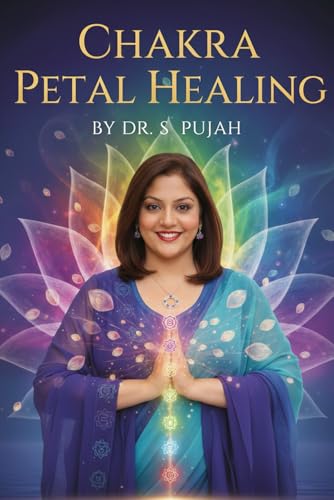
This guidebook provides step-by-step techniques and five-element balance advice to improve your at-home chakra balancing practice.
See it on Amazon →Choosing a Qualified Chakra Balancing Massage Practitioner
Look for a licensed massage therapist who has additional training in energy work and chakra systems. Verify credentials and ask about their experience specifically with chakra balancing massage. A qualified practitioner understands anatomy and energy centres, ensuring a safe, integrated approach.
Client testimonials and referrals help gauge professionalism and effectiveness. Reliable therapists maintain clear boundaries and communicate openly about treatment goals and methods.
Professional boundaries
Chakra balancing massage is a legitimate therapy focused on healing and relaxation. It is not erotic or sexual in nature. Avoid practitioners who imply or offer inappropriate services; this distinction protects your safety and respects the practice’s integrity.
Common Claims vs Reality in Chakra Balancing Massage
| Commonly claimed | Actually |
|---|---|
| Chakra balancing massage cures physical or psychological conditions | No scientific evidence supports chakra balancing massage as a medical cure; it is practised for relaxation and emotional support, not treatment. |
| Healing crystals placed on chakras directly clear energetic blockages | Crystals are used to support the session symbolically and for focus, but there is no documented mechanism or scientific proof of energy clearing. |
| Essential oils linked to each chakra produce specific healing effects | Essential oils are chosen for their scent and calming properties; their chakra associations come from modern practice rather than ancient texts. |
| Chakra balancing massage realigns the subtle energy system exactly as traditional texts describe | The modern seven-chakra model is a simplified framework; classical sources describe varying chakra systems, and massage techniques vary widely. |
| Self-massage can fully replace professional chakra balancing massage | Self-massage supports awareness and relaxation but lacks the trained touch and energy work a qualified practitioner provides. |
Frequently Asked Questions

As an Amazon Associate, Chakra Serenity earns from qualifying purchases. Prices and availability change, so check the listing before you buy.