The Nine Chakras: A Complete Guide to Energy Centres
Understand origins, locations, and practices beyond the seven chakras
The nine chakras extend the traditional seven energy centres with two additional chakras linking higher spiritual and grounding energies. This guide explains their names, locations, functions, and practical ways to experience shifts between them.
Many seek to understand the nine chakras system as an extension of the more familiar seven chakras. The nine chakras include additional centres that connect spiritual insight and deep grounding, but details vary by tradition.
Most easily found guides conflate ancient sources with modern beliefs, leading to confusion about origins, chakra locations, and their functions.
This article separates documented history from later interpretations, shows how different traditions describe nine chakras, and offers practical advice on sensing and balancing them.
Recommended Reading for Chakra Alignment
A detailed guide for supporting energy balance and inner harmony Links go to Amazon and earn this site a small commission at no extra cost to you.
Chakra Petal Healing
This book offers practical techniques and insights for balancing all nine chakras, including breathwork and five-element integration, ideal for those deepening chakra practice.
Skip it if: Skip it if you prefer a brief overview rather than a detailed manual.
The Nine Chakras: A Complete Guide to Energy Centres
The nine chakra system expands the classical seven chakras by adding two additional energy centres: the Nirvana chakra located within the brain, and the Brahmarandhra chakra at the crown of the head. These nine chakras represent points where the universal life force, or vishwaprana, flows through the subtle body.
The concept of nine chakras appears in the Nath Yogi tradition, which includes the root chakra Muladhara and extends upward beyond the Sahasrara (crown) chakra to encompass the Brahmarandhra at the skull’s crown. The Nirvana chakra lies between these, residing beneath the crown within the brain, marking a higher spiritual centre.
Classical texts such as the 16th-century Sat-Cakra-Nirupana codify a seven chakra system: Muladhara (root), Swadhisthana (sacral), Manipura (solar plexus), Anahata (heart), Vishuddha (throat), Ajna (third eye), and Sahasrara (crown). The nine chakra system builds on this, with the additional chakras representing deeper spiritual states and enhanced connection to universal consciousness.
The classical seven chakras with Sanskrit names and positions along the spine.
Historically, the earliest references to chakras appear in Yoga Upanishads and tantric literature rather than the Vedas. These texts describe chakras as subtle energy centres, not physical organs. The number and location of chakras vary among traditions, ranging from five to over twenty-one. The common seven-chakra system is the most widespread but not exclusive.
The nine chakra system in the Nath Yogi tradition includes these key centres:
- Muladhara (root chakra) at the base of the spine, governing physical survival and safety.
- Swadhisthana (sacral chakra) below the navel, associated with creativity and emotions.
- Manipura (solar plexus chakra) at the stomach, linked to personal power and will.
- Anahata (heart chakra) at the chest, centre of love and compassion.
- Vishuddha (throat chakra) at the throat, related to communication and expression.
- Ajna (third eye chakra) between the eyebrows, seat of intuition.
- Nirvana chakra inside the brain beneath the crown, representing transcendence and spiritual awakening.
- Sahasrara (crown chakra) at the top of the head, connecting to divine consciousness.
- Brahmarandhra chakra above the crown, a subtle passage linked with higher spiritual realms.
The seven chakras traditionally align along the spine from the perineum to the crown. The eighth and ninth chakras extend this vertical axis beyond the physical body, into subtle spiritual centres. The Nirvana chakra is often described as a hidden centre within the brain, while the Brahmarandhra chakra sits at the skull’s crown, sometimes called the “thousand-petalled lotus.” These two are less visible in many diagrams but significant in Nath and tantric teachings.
Modern Western adaptations assign rainbow colours and psychological traits to each chakra, but these are 20th-century inventions rather than features from classical Indian texts. For example, the original Sanskrit texts do not specify precise colours or personality aspects. These additions emerged through Theosophical and New Age influences.
Chakra means “wheel” or “disc” in Sanskrit, reflecting the spinning energy centres envisioned in yogic and tantric philosophy. Kundalini, the dormant spiritual energy at the Muladhara chakra, rises through these wheels as it awakens, activating each chakra in turn.
The nine chakra meditation system involves focusing attention sequentially from the Muladhara root chakra, moving upwards through each centre to the Brahmarandhra, facilitating the flow of prana and spiritual awakening. This practice differs from the seven chakra system by integrating the higher spiritual centres, offering a more expansive framework.
While the nine chakra system is respected within Nath yogi and some tantric traditions, it is not universally accepted across all Hindu or Buddhist schools. Different lineages teach varying numbers and configurations of chakras, reflecting diverse metaphysical models rather than a single canonical system.
Understanding the nine chakras requires recognising the blend of historical texts, specific yogic traditions, and modern interpretations. The classical seven chakras have solid textual roots, whereas the nine chakra system emerges from specific traditions and modern adaptations. Awareness of this distinction prevents conflating traditional knowledge with contemporary beliefs.
For those exploring chakra work, differentiating these systems clarifies practice and study. The nine chakras add depth to the familiar seven, linking grounded physicality with expanded spiritual awareness through clear names, locations, and functions.
Explore more about the chakra system and its variations in the detailed guide on What Are Chakras? The Complete Guide to Energy Centers.
Origins and Historical Context of the Nine Chakras
The concept of nine chakras developed from later yogic and tantric texts rather than the earliest Hindu scriptures. The Vedas, the oldest Indian sacred texts, do not mention chakras. Instead, the earliest references appear in the Yoga Upanishads and tantric literature, which describe subtle energy centres in the body.
The system of seven chakras was codified in the 16th century text Sat-Cakra-Nirupana. This text details the seven main chakras along the spine and links them to spiritual awakening through kundalini energy. The additional two chakras that extend the system to nine come from other traditions, including the Nath Yogi tradition, which names nine major chakras including the root (Muladhara) and the crown (Brahmarandhra) chakras.
Different Hindu and Buddhist traditions describe varying numbers of chakras. Some systems list five, others up to twenty-one. This variation includes minor chakras called adharas, which some confuse with the main chakras but serve different functions and are less central to practice.
Modern Western chakra teachings add distinct rainbow colours and psychological meanings to the chakras, developments that date only to the 20th century. These additions are not found in classical Indian texts but come from Theosophical and New Age influences.
The nine chakra system developed historically by adding two centres to the classical seven chakras recognised in specific yogic lineages. The earliest documented chakra references appear in Yoga Upanishads and tantric texts. The seven chakra system was clearly established by the 16th century, before later traditions expanded the number.
Detailed Names, Locations, and Functions of All Nine Chakras
The nine chakras include the familiar seven centres plus two higher ones, each with a specific location and function.
1. The root chakra, Muladhara, sits at the base of the spine. It governs physical survival, grounding, and safety.
2. Swadhisthana, the sacral chakra, lies below the navel. It relates to creativity, sexual energy, and emotional expression.
3. Manipura, the solar plexus chakra, is at the stomach area. It governs willpower, confidence, and personal strength.
4. The heart chakra, Anahata, is located near the chest. It is the centre of love, compassion, and connection.
5. Vishuddha, the throat chakra, sits at the throat. It regulates communication and expression.
6. Ajna, known as the third eye chakra, is between the eyebrows. It relates to intuition, insight, and mental clarity.
7. Sahasrara, the crown chakra, is at the top of the head. It connects to spiritual consciousness and universal awareness.
8. The soul star chakra, called Talu in some traditions, is positioned just above the crown. It links to the higher self and divine connection beyond the physical body.
9. The Nirvana chakra is located within the brain, beneath the crown chakra. It is associated with transcendence and the ultimate state of bliss.
Together, these nine chakras map a progression from physical grounding through emotional and mental faculties to spiritual awakening and transcendence. Each chakra is traditionally visualised as a wheel or lotus with specific symbolic petals, though these vary by tradition.
How to Sense and Experience Energy Flow Between Chakras
To experience energy shifting between chakras, begin by meditating with focused attention along the spine, where the nine chakras are located. Visualise a flow of energy rising from the root chakra at the base of the spine to the crown chakra at the top of the head, then descending back down. This movement helps you notice subtle sensations, such as warmth, tingling, or gentle pressure within each chakra area.
Physical sensations vary widely; some people feel temperature changes or a sense of expansion, while others perceive subtle movements or vibrations. These signs indicate shifts in energy flow. Practising regularly deepens your sensitivity to these sensations.
Chakra affirmations and bija mantras—single-syllable sounds linked to each chakra—support this process. Recite or mentally repeat these mantras while focusing on the relevant chakra to stimulate its activity and balance. For example, chanting “Lam” activates the Muladhara (root chakra), while “Om” suits the Sahasrara (crown chakra).
Breathwork enhances prana (life force) circulation through the nadis (energy channels). Techniques like alternate nostril breathing (Nadi Shodhana) or slow, deep breaths increase awareness of energy movement along the chakra column. Coordinate breath with visualisation for greater effect.
Certain yoga postures target individual chakras by opening or energising their locations. For instance, Malasana (garland pose) stimulates the root chakra, while Matsyasana (fish pose) activates the throat chakra. Choose poses that correspond to chakras you wish to engage or balance.
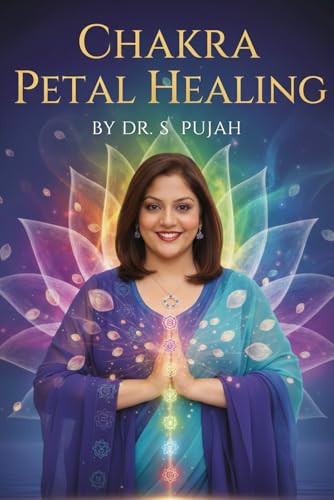
This guide provides detailed exercises and visualisations to help you sense chakra energy shifts and maintain balance.
See it on Amazon →Crystals and sound meditations also aid chakra energy flow. Crystals chosen for their colour or vibrational qualities can be placed on chakra points during meditation. Sound tools like singing bowls or tuning forks tuned to chakra-related frequencies encourage resonance and energetic clearing.
Common Misconceptions and Differences Among Chakra Traditions
The idea that there are exactly nine chakras is true within specific traditions like the Nath Yogis, but many systems vary widely. The widely known seven-chakra model is the most common, yet classical Hindu and Buddhist texts describe different numbers and locations of chakras.
The modern depiction of seven chakras with rainbow colours and psychological traits is a 20th-century Western innovation. These features do not appear in early texts such as the Sat-Cakra-Nirupana, which codified the seven-chakra system but did not specify colours or detailed personality associations.
No universal agreement exists on chakra correspondences to physical organs or vertebrae. For instance, claims that a particular chakra governs the ninth cervical vertebra (C-9) are speculative; classical sources treat chakras as subtle energy centres rather than physical organs or anatomical structures.
Different yogic traditions name and number chakras differently. The Nath Yogi tradition includes nine major chakras, adding the Nirvana chakra in the brain and the Brahmarandhra chakra at the crown, while other schools might count five, seven, or more chakras.
It is important to recognise that chakras are conceptualised as points of subtle life force (vishwaprana) flow rather than tangible physical entities. They represent intersections of energy channels (nadis) and serve as focal points in meditation and spiritual practice.
Scientific research has not verified chakras as physical phenomena. The benefits reported from chakra practices come from experiential and meditative work rather than measurable anatomical or physiological effects.
Benefits and Uses of Nine Chakra Practices
Working with the nine chakras supports physical, emotional, and spiritual wellbeing through targeted energy practices. The Earth Star chakra below the feet and the Root chakra (Muladhara) at the spine base ground the body, helping stabilise physical presence and security.
The Sacral chakra (Swadhisthana) and the Heart chakra (Anahata) regulate emotional balance. They assist in processing feelings and cultivating compassion, creativity and connection.
Spiritual connection strengthens through the Soul Star chakra above the head and the Crown chakra (Sahasrara), which relate to higher awareness and transcendence beyond the physical.
The Solar Plexus chakra (Manipura) and the Throat chakra (Vishuddha) enhance confidence and communication. Manipura governs personal power and will, while Vishuddha governs expression and clarity in speech.
Common methods for nine chakra healing include meditation focused on each chakra’s location, affirmations tailored to their function, and visualisation of light and colour moving through them. These practices stimulate chakra energy flow and promote balance.
Chakra energy meditation and chakra energy work can be complemented by massage techniques aimed at the spine and feet to support physical and subtle energy balancing. These methods are popular in contemporary wellbeing but have no specific mention in classical texts.
Consistency matters. Daily practice, even for five to ten minutes, produces more noticeable effects than occasional sessions. The body and subtle centres respond to regular attention and intention.
Health Caution
Chakra practices do not replace medical or psychological treatment. Consult qualified health professionals for any physical or mental health issues before or alongside chakra energy work.
Commonly Claimed Versus Actually About Chakras
| Commonly claimed | Actually |
|---|---|
| The seven chakras with rainbow colours and psychological meanings are ancient and canonical | These features are modern Western additions from 20th century Theosophical and New Age sources, not found in classical texts. |
| Chakras are universally agreed upon in Hinduism and Buddhism | Different traditions describe varying numbers and locations of chakras, from five to twenty-one, reflecting diverse practices. |
| Chakras correspond directly to physical organs and systems | Classical texts describe chakras as subtle energy centres; physical correspondences vary and are later interpretations. |
| The concept of nine chakras has ancient Vedic origins | The nine chakra system appears in later yogic and tantric texts, not in the earliest Vedic scriptures. |
| Kundalini energy rises only through the seven chakras | Some traditions include the two additional chakras, Nirvana and Brahmarandhra, as higher points for kundalini awakening. |
Frequently Asked Questions

As an Amazon Associate, Chakra Serenity earns from qualifying purchases. Prices and availability change, so check the listing before you buy.