7 Chakras Explained: What Each Energy Centre Represents
Historical roots, meanings, and practical guidance for chakra balance
The seven chakras are energy centres along the spine, each representing distinct physical, emotional, and spiritual aspects of human experience. This article explains what each chakra represents, their traditional origins, and how modern interpretations differ. It also offers practical ways to identify and balance them.
The seven chakras feature prominently in meditation, yoga, and healing traditions. Popular explanations often combine traditional sources with later interpretations, which can create confusion.
The chakra system originates in Hindu tantric and Yoga Upanishad texts, and the seven-chakra chart as known today was codified in the 16th century. Yet many Western sources add colours, psychological traits, and uses not found in original texts.
This article separates documented history from modern beliefs, explains each chakra’s physical and emotional connections, and provides practical advice for recognising and balancing chakras.
Recommended Reading for Chakra Alignment
A detailed guide on energy alignment and balancing techniques Links go to Amazon and earn this site a small commission at no extra cost to you.
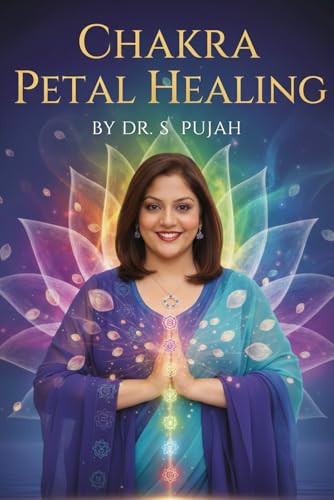
Chakra Petal Healing
This book offers step-by-step instructions on chakra balancing and five-element theory, suitable for beginners and experienced practitioners.
Skip it if: Skip it if you want a brief overview rather than an in-depth manual.
7 Chakras Explained: What Each Energy Centre Represents
The seven chakras are energy centres located along the spine, each linked to specific physical areas, emotional states, and spiritual qualities. They are traditionally described as spinning wheels or lotuses, each with a Sanskrit name, seed sound (bija mantra), and a set number of petals.
From the base to the crown of the head, these chakras represent survival and grounding, creativity and sexuality, personal power, love and compassion, communication, intuition, and spiritual connection. While this framework is rooted in Hindu tantric and Yoga Upanishad texts, many modern Western interpretations add colours, psychological traits, and healing practices not found in original sources.
The seven chakras aligned from root (Muladhara) to crown (Sahasrara) with their Sanskrit names.
| Chakra | Sanskrit Name | Location | Petals | Seed Sound | Associations |
|---|---|---|---|---|---|
| Root | Muladhara | Base of spine | 4 | Lam | Survival, grounding, physical stability |
| Sacral | Svadhisthana | Lower abdomen | 6 | Vam | Creativity, sexuality, emotions |
| Solar Plexus | Manipura | Upper abdomen | 10 | Ram | Personal power, will, digestion |
| Heart | Anahata | Centre of chest | 12 | Yam | Love, compassion, emotional balance |
| Throat | Vishuddha | Throat | 16 | Ham | Communication, self-expression |
| Third Eye | Ajna | Between eyebrows | 2 | Om or Aum | Intuition, insight, inner wisdom |
| Crown | Sahasrara | Top of head | 1000 (symbolic) | Silent or Om | Spiritual connection, enlightenment |
Overview of the seven chakras with traditional seed sounds and symbolic lotus petals.
The Muladhara or root chakra anchors the subtle body to the physical, governing survival instincts and a sense of safety. Next, the Svadhisthana sacral chakra relates to creativity and emotional fluidity. The Manipura solar plexus chakra focuses on personal power and digestion in both the physical and emotional sense.
At the heart lies the Anahata chakra, central to love and compassion. Above it, the Vishuddha throat chakra governs truthful communication and expression. The Ajna or third eye chakra, situated between the eyebrows, represents insight and intuition. Finally, the Sahasrara crown chakra symbolises spiritual connection and transcendence.
Traditional texts describe chakras as centres for prana, or life force, circulating through the subtle body. The seed sounds serve as focus points in meditation, each believed to stimulate its corresponding chakra. The lotus petals symbolise the complexity and energy flow within each centre.
Modern Western systems often assign rainbow colours and specific psychological attributes to each chakra, a development from 19th and 20th-century Theosophy and occultism rather than ancient Sanskrit texts. These additions have influenced contemporary chakra balancing practices but differ from documented tradition.
Physiologically, chakras loosely correspond to major nerve plexuses and endocrine glands. For example, the heart chakra aligns with the cardiac plexus and the thymus gland. This correspondence helps practitioners connect physical sensations with chakra focus during meditation or healing.
Understanding these seven chakras offers a structured way to explore how physical, emotional, and spiritual aspects intersect. Clear knowledge of their traditional characteristics and modern interpretations helps avoid confusion and supports effective practice.
For further detail on chakra origins and subtle body concepts, see What Are Chakras? The Complete Guide to Energy Centers.
Historical Origins and Different Chakra Systems
The seven chakras are a system first documented in Hindu tantric and Yoga Upanishad texts, not the earlier Vedas. The term chakra means “wheel” or “circle” in Sanskrit, and these energy centres are described as wheels of prana or life force within the subtle body. Early mentions do not provide a fixed number or sequence.
Documented fact
The earliest textual references to chakras appear in tantric literature and Yoga Upanishads, dating from the first millennium CE.
The widely recognised seven chakra system was formally codified in a 1577 text called the Ṣaṭ-chakra-nirūpaṇa. This text names seven chakras aligned along the spine, from the base (Muladhara) to the crown of the head (Sahasrara). Each chakra has a specific location, symbolic attributes, and associated seed sounds (bija mantras).
Other classical systems mention more or fewer chakras. Some tantric texts describe five or six main chakras, while others include up to a dozen or more. These variations reflect differing regional and sectarian practices rather than a single unified system.
In the 19th and 20th centuries, Western occultism and Theosophy introduced new elements into chakra understanding. These include the assignment of rainbow colours to chakras, psychological attributes, and links to auras and personal development. These features do not appear in the original Sanskrit texts and represent a modern reinterpretation.
The traditional system views chakras as centres of subtle energy, essential for physical, mental, emotional, and spiritual balance. The sequence of chakras relates to the ascent of kundalini energy from basic survival instincts to spiritual awareness and enlightenment. This progression has symbolic significance in life and practice.
Historical codification
The Ṣaṭ-chakra-nirūpaṇa of 1577 is the earliest known text to describe the seven chakras in their now-familiar sequence and attributes.
How Chakras Relate to Physical Anatomy and Physiology
Chakras correspond loosely to physical nerve plexuses and endocrine glands but are not physical organs themselves. They are symbolic centres in the subtle body, representing intersections of physiological and energetic functions.
For example, the root chakra (Muladhara) aligns roughly with the adrenal glands and the base of the spine, associated with survival and grounding. The heart chakra (Anahata) corresponds to the heart and lungs, linking physical circulation with emotional connection.
| Chakra | Physical Correspondences | Symbolic Meaning |
|---|---|---|
| Muladhara (Root) | Adrenal glands, base of spine | Survival, grounding |
| Svadhisthana (Sacral) | Reproductive organs, lower abdomen | Creativity, emotions |
| Manipura (Solar Plexus) | Pancreas, upper abdomen | Willpower, personal power |
| Anahata (Heart) | Heart and lungs | Love, compassion |
| Vishuddha (Throat) | Thyroid gland, throat | Communication, expression |
| Ajna (Third Eye) | Pituitary gland, forehead | Intuition, insight |
| Sahasrara (Crown) | Pineal gland, top of head | Spiritual connection, consciousness |
Chakra locations and their approximate physiological correspondences.
Traditional texts describe chakras as distribution centres for prana, influencing the nervous and immune systems. This subtle body anatomy differs from modern medical anatomy and is part of a spiritual framework rather than a physical one.
Modern interpretations often link chakras to psychological and emotional states, blending traditional symbolism with contemporary wellness concepts. However, chakras should not be understood as literal physical organs but as symbolic nodes where physical, mental, and spiritual aspects intersect.
The Symbols, Seed Sounds, and Colours of Each Chakra
Each of the seven chakras has a traditional symbol consisting of a lotus flower with a specific number of petals. These petals represent the qualities or energies associated with that chakra. For example, the root chakra (Muladhara) has four petals, symbolising stability and foundation, while the crown chakra (Sahasrara) features a thousand petals, representing infinite consciousness.
Alongside the lotus petals, each chakra is linked to a seed sound, or bija mantra. These are single syllables used during meditation to focus attention and stimulate the chakra. For instance, the root chakra’s seed sound is “Lam,” the heart chakra uses “Yam,” and the third eye chakra corresponds to “Om” or “Aum.” Chanting these sounds is a traditional practice aimed at activating or balancing the chakras.
Traditional chakra symbols include geometric shapes such as circles, triangles, and squares, combined with the lotus petals and seed syllables. These elements form a visual and auditory tool for meditation. Practitioners visualise the symbol while repeating the seed sound to deepen concentration and connect with the chakra’s qualities.
The colours most people associate with chakras—red for the root, orange for the sacral, yellow for the solar plexus, green for the heart, blue for the throat, indigo for the third eye, and violet or white for the crown—are a modern Western development. The earliest Sanskrit texts do not assign these rainbow colours to chakras. This colour scheme emerged in the 20th century, influenced by Western occultism and Theosophy, synthesising chakra concepts with the visible spectrum for easier memorisation and teaching.
Despite being a modern addition, the colour associations are widely used in contemporary meditation and healing practices. The colours help visualisation and are believed to correspond to vibrational frequencies, although this is not documented in classical sources. Using these colours alongside the traditional symbols and seed sounds can enhance meditation by providing layered sensory cues.
Recognising Chakra Imbalances and Their Effects
Each chakra governs certain physical regions and emotional qualities, so imbalances often show as symptoms in these areas. For example, an imbalance in the root chakra may manifest as lower back pain or digestive issues, while the throat chakra can relate to problems with the vocal cords or communication difficulties.
Emotional and behavioural patterns also reflect chakra blockages. A blocked heart chakra might cause difficulty in forming relationships or experiencing compassion, whereas an overactive solar plexus chakra could lead to controlling behaviour or aggression. These patterns come from traditional interpretations found in tantric and yogic texts and have been elaborated in modern chakra psychology.
Medical Caution
Chakra symptoms can overlap with medical conditions. Physical pain or emotional distress should not be self-diagnosed as chakra imbalance. Consulting qualified health professionals is essential to rule out or treat underlying issues.
- Root chakra imbalance may cause fatigue, fearfulness, or feelings of insecurity.
- Sacral chakra issues can involve reproductive or urinary problems and emotional instability.
- Solar plexus imbalances might result in digestive disorders and low self-esteem.
- Heart chakra blockages could show as respiratory problems or difficulty in emotional openness.
- Throat chakra problems may appear as sore throat, thyroid issues, or inability to express oneself.
- Third eye chakra imbalance might manifest as headaches, vision problems, or lack of intuition.
- Crown chakra disturbances can cause headaches, mental fog, or spiritual disconnection.
Psychological interpretations of chakra imbalances have roots in both traditional texts and modern adaptations. They frame chakras as centres of human strength, power, and connection. For example, the third eye chakra is linked to intuition and insight, considered a key inner resource. However, these interpretations vary widely and are not universally agreed upon.
No official ranking exists for chakra importance or the severity of their imbalances. Each chakra’s health contributes to overall well-being differently depending on the individual. Recognising a chakra breakdown involves noticing persistent patterns in physical health and emotional states, ideally alongside professional advice.
Practical Methods to Balance and Align Chakras
Balancing your chakras involves practices that focus attention, body movement, breath, and sound. Meditation is a key method: sit comfortably, focus on each chakra from root to crown, and repeat its associated seed sound (bīja mantra). Visualise the chakra’s symbol or colour while breathing steadily. This approach supports chakra cleansing and healing by bringing awareness to each energy centre.
Yoga poses target specific chakras by stimulating related nerve plexuses and glands. For example, Mountain Pose (Tadasana) grounds the root chakra, while Camel Pose (Ustrasana) opens the heart chakra. Incorporate these poses into a sequence that moves from the base of the spine upward, matching the chakra order. This sequencing encourages gradual activation and alignment.
Breathwork enhances chakra balancing. Alternate nostril breathing (Nadi Shodhana) regulates prāṇa flow through the subtle channels linked to chakras. Combine breath with visualisation: inhale imagining energy entering the chakra, exhale releasing blockages. This method complements meditation and yoga.
Crystals and essential oils serve as complementary aids. Crystals like garnet or carnelian suit the root and sacral chakras, while amethyst and lapis lazuli relate to the third eye and throat chakras. Essential oils such as sandalwood or lavender can be diffused or applied during practices. These tools support focus and intention but do not replace the core methods of balancing.
Affirmations frame a positive mental state associated with each chakra’s qualities. For example, “I am safe and grounded” for the root chakra or “I express my truth clearly” for the throat chakra. Sound also matters: chanting the specific bīja mantras (e.g. “Lam” for the root chakra) produces vibrations believed to resonate with the chakra’s frequency.
Scientific Evidence and Skepticism About Chakras
There is no scientific proof that chakras exist as literal energy centres in the body. Modern science does not detect chakras as physical structures or measurable energy fields. Instead, chakras are best understood as symbolic and spiritual concepts originating in Hindu tantric and Yoga Upanishad traditions.
Research on meditation and breathwork shows benefits for wellbeing, stress reduction, and emotional regulation. However, these studies do not confirm chakras themselves. Many people find chakra practices helpful because they provide a structured way to focus attention and cultivate mindfulness.
Scepticism arises because chakra work sometimes includes unverified medical claims. It is important to avoid using chakra balancing as a substitute for professional medical or psychological treatment. Qualified health practitioners should be consulted for any health concerns.
Chakras are meaningful metaphors and tools in spiritual and wellness practices rather than scientifically proven entities. Recognising this distinction supports a clear and informed approach to chakra work.
Common Chakra Claims Compared to Documented Facts
| Commonly claimed | Actually |
|---|---|
| The seven chakras and their colours are ancient, fixed facts | The seven-chakra rainbow colour system is a modern Western synthesis developed in the 20th century, not found in traditional texts. |
| Chakras correspond exactly to physical organs and glands | Chakras correspond loosely to nerve plexuses and glands but are symbolic and energetic centres, not physical organs. |
| Chakras are scientifically proven energy centres | There is no scientific evidence confirming chakras as literal energy centres; they are a spiritual and symbolic concept. |
| The earliest chakra references appear in the Vedas | The earliest chakra mentions appear in Hindu tantric and Yoga Upanishad texts, not the older Vedas. |
| Seed sounds (bija mantras) are modern inventions | Seed sounds have traditional roots and are documented in tantric texts as associated with each chakra. |
Frequently Asked Questions

As an Amazon Associate, Chakra Serenity earns from qualifying purchases. Prices and availability change, so check the listing before you buy.