Chakra Cleansing: The Ultimate Guide to Energy Balance
Clear blockages and balance your energy centres with historically accurate methods and practical steps
Chakra cleansing is the practice of clearing blockages and restoring balance to the seven main energy centres in the body. It involves techniques such as focused meditation, breathwork, sound healing, and crystal placement to support mental, emotional, and physical well-being. While rooted in Indian tradition, many modern methods reflect recent developments, not classical texts.
Chakra cleansing is a practice aimed at restoring balance to the body’s energy centres. However, online information often mixes traditional teachings with recent interpretations.
Common claims include chakra cleansing curing illness or chakras being measurable physical points, which lack scientific support.
This guide explains what chakra cleansing is, its historical origins, practical methods, and what to realistically expect from it.
Recommended Guide for Chakra Energy Alignment
A detailed resource to enhance your chakra cleansing practice Links go to Amazon and earn this site a small commission at no extra cost to you.
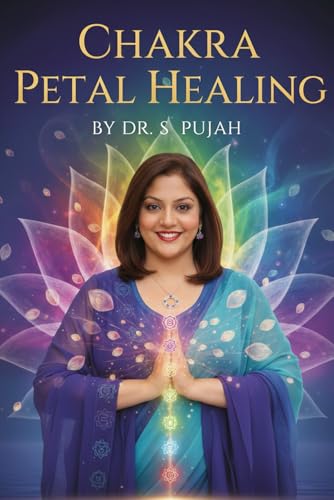
Chakra Petal Healing Guide
This guide offers detailed instructions and insights into chakra alignment and five-element balance, making it suitable for beginners and experienced practitioners.
Skip it if: Skip if you prefer brief or quick-start guides without detailed theory.
Chakra Cleansing and Energy Balance
Chakra cleansing means removing blockages and restoring flow to the seven main chakras along the spine. Each chakra corresponds to specific physical locations and emotional qualities. Cleansing helps maintain balance, which practitioners say supports mental clarity, emotional calm, and physical ease.
The Sanskrit word chakra means wheel or circle, describing these centres as spinning points of subtle energy. The seven major chakras run from the base of the spine to the crown of the head.
The seven major chakras along the spine with their Sanskrit names
Starting at the base, the root chakra (Muladhara) relates to grounding and security, traditionally linked with red. The sacral chakra (Svadhisthana) governs creativity and emotion. The solar plexus chakra (Manipura) influences willpower and confidence. The heart chakra (Anahata) centres on love and compassion. The throat chakra (Vishuddha) affects communication. The third eye chakra (Ajna) connects to intuition. The crown chakra (Sahasrara) is associated with spiritual connection.
Blockages or imbalance in a chakra may show as physical symptoms, such as pain, or emotional signs, like anxiety or difficulty focusing. For instance, a blocked root chakra might cause lower back pain or insecurity.
Common cleansing methods include focused meditation on each chakra, breathwork to stimulate flow, sound healing with chakra-specific tones, placing crystals matching chakra colours, and using essential oils. These techniques aim to clear interruptions and support smooth energy movement.
Chakra cleansing is a wellness practice, not a medical treatment. It supports general balance but does not diagnose or treat health conditions.
Practitioners often cleanse chakras regularly—weekly or monthly—to maintain balance. Reported effects vary and include improved mood and relaxation, but experiences are subjective.
For detailed cleansing methods including meditation and breathwork steps, see Powerful Chakra Cleansing: 7 Proven Methods to Balance Your Energy.
This guidebook offers clear methods to practise chakra cleansing, suitable for beginners wanting structured energy work.
See it on Amazon →Historical Origins and Modern Developments in Chakra Systems
The word chakra comes from Sanskrit and means “wheel” or “circle.” This term appears in ancient Indian texts, where chakras are described as subtle energy centres or nodes within the body’s subtle system, rather than physical points measurable by instruments.
Classical Indian scriptures mention chakras but vary widely in their number and characteristics. Some early tantric texts describe as few as four chakras, while others list five or six. The detailed seven-chakra system familiar today was not standard in these early sources; it evolved over centuries, gaining prominence in medieval yogic and tantric traditions.
This traditional system locates seven major chakras along the spinal column, from the Muladhara (root) at the base to the Sahasrara (crown) at the top of the head. Each chakra corresponds to different physical, emotional, and spiritual functions in these texts. The idea of a specific sequence for chakra cleansing versus awakening comes from these traditional teachings, where cleansing focuses on clearing blockages to restore balance, and awakening involves activating or energising the chakras in a particular order.
Modern Western interpretations often add layers not found in the classical Indian tradition. The popular image of seven chakras aligned with the colours of the rainbow is a 20th-century development. Similarly, attributing specific crystals, sound frequencies, or essential oils to each chakra arose from contemporary spiritual and wellness movements rather than historic Indian texts.
It is important to distinguish these modern adaptations from documented history. While chakra cleansing as a practice exists in various forms, many methods taught today include elements that are modern inventions. The seven-chakra rainbow chart and crystal correspondences, for example, serve symbolic and practical purposes in meditation and healing but do not reflect ancient doctrine.
Chakras are subtle body concepts, meaning they relate to non-physical aspects of human experience. Claims that chakras can be measured physically or that chakra cleansing cures medical conditions lack scientific evidence. Instead, chakra work supports personal well-being through focused attention, intention, and sensory practices.
Step-by-Step Chakra Cleansing Techniques and Practices
To cleanse your chakras effectively at home, start by creating a quiet, distraction-free space. Use a firm seat or lie down where your spine can stay aligned. Natural or soft lighting helps maintain calm focus. Remove electronic devices and clear the area of clutter to avoid interruptions.
Follow a clear sequence from root to crown, beginning with the Muladhara (root chakra) at the spine’s base and moving upward to the Sahasrara (crown chakra) at the top of the head. This order matches the traditional flow of prana, the subtle life force, through the body.
- Prepare your spaceChoose a quiet spot with steady lighting and no distractions.
- Root chakra (Muladhara)Focus on the base of your spine. Visualise a red spinning wheel and feel a grounding sensation as you breathe steadily.
- Sacral chakra (Svadhisthana)Direct attention below the navel. Imagine an orange circle with warm, flowing energy.
- Solar plexus chakra (Manipura)Visualise a yellow sun at the upper abdomen. Sense personal power and confidence growing.
- Heart chakra (Anahata)See a green or pink lotus in the chest centre. Cultivate openness and compassion.
- Throat chakra (Vishuddha)Picture a blue disc at the throat. Focus on clear and honest communication.
- Third eye chakra (Ajna)Visualise an indigo orb between your eyebrows. Invite insight and intuition.
- Crown chakra (Sahasrara)Imagine a violet or white lotus at the head’s crown. Sense connection to higher awareness.
Spend about five minutes on each chakra. As you focus, picture the chakra’s colour brightening and turning smoothly. This directed attention helps clear blockages and restore flow.
Use breathwork to support cleansing. Breathe slowly and deeply through the nose. For grounding the root chakra, try the “4-4-4” breath pattern: inhale for four seconds, hold for four, and exhale for four. This calms the body and focuses prana flow.
Sound healing can reinforce cleansing. Use instruments like singing bowls or tuning forks tuned to each chakra’s traditional note—root chakra corresponds to the note C. Play or sing the tone softly while meditating on the chakra.
This guidebook provides clear exercises for visualising and cleansing each chakra effectively.
See it on Amazon →Crystals can be placed on the body’s chakra points during cleansing. Choose stones traditionally linked to each chakra, such as red jasper for the root or amethyst for the crown. Lie down, place crystals for several minutes, and keep attention on the chakra area. Remove crystals if they cause distraction.
Crystal caution
Crystals have no proven effect on chakras and are a personal choice. Always cleanse crystals themselves to avoid transferring previous energies.
Essential oils may enhance focus during cleansing. Oils like patchouli or cedarwood suit the root chakra, while lavender or frankincense support the crown. Use a diffuser nearby or apply diluted oils to pulse points. Aromatherapy adds sensory depth but does not replace medical care.
A complete chakra cleansing session takes 30 to 45 minutes. Begin with breathwork and root chakra visualisation. Move upward through each chakra in sequence, applying breath, sound, crystals, and aromatherapy as preferred. Finish with silent awareness or gentle stretching to close the practice.
Comparing Chakra Cleansing Methods: Effectiveness and Safety
Chakra cleansing safely involves choosing methods suited to your temperament and experience. Meditation centres the mind and suits beginners, providing a gentle way to focus on each chakra without external stimuli. Breathwork supports meditation by regulating the nervous system but requires caution; rapid or intense breathing can cause dizziness or emotional release.
Sound healing uses instruments like singing bowls or tuning forks to clear chakras through vibration. It can be effective and calming but may overwhelm sensitive individuals or trigger discomfort from loud tones. Crystal healing places stones associated with chakra colours on or near the body. It is non-invasive and easy to combine with meditation but lacks scientific backing and depends on personal belief.
Aromatherapy applies essential oils to enhance mood and relaxation during chakra work. Oils like lavender or sandalwood complement cleansing practices but may cause allergic reactions or skin irritation in some people. Chakra cleansing massage combines touch with focused attention on chakra points; it can relieve muscle tension and promote relaxation but should be done by a qualified practitioner to avoid injury or overstimulation.
Avoid claims that chakra cleansing cures medical or psychological conditions. Such statements have no scientific support. People with complex health issues should seek qualified guidance before using chakra methods as complementary practices. Overstimulation signs include headaches, increased anxiety, fatigue, or emotional outbursts. If these occur, pause the practice and return to gentler techniques.
Regular chakra balancing is a continuous practice rather than a one-time fix. Beginners benefit from short sessions focusing on meditation and breathwork, gradually adding sound or crystals as comfort grows. Sensitive individuals should monitor physical and emotional responses carefully and adjust methods accordingly.
Signs of Chakra Imbalance and How to Recognise Them Objectively
Signs your chakras need cleansing often appear as physical, emotional, or mental symptoms linked to the specific chakra. For example, an imbalanced root chakra may show as fatigue, lower back pain, or digestive issues, while a blocked throat chakra might cause difficulty expressing yourself or a sore throat.
Objective recognition is challenging because chakras are conceptual and not measurable by scientific instruments. No device can detect blockages or energy flow in chakras. Recognising imbalance relies on self-awareness and observation of patterns in your body and mood.
Journaling helps track symptoms alongside your cleansing practices. Note changes in sleep, digestion, emotional state, or mental clarity. Over time, correlations may emerge that suggest which chakra needs attention.
If symptoms persist or worsen, especially physical ones like bowel irregularities or chronic pain, consult a medical professional to rule out underlying conditions. Chakra cleansing is not a substitute for diagnosis or treatment.
For throat chakra cleansing, focus on mindful communication, gentle neck stretches, and breathwork that emphasises the throat area. Root chakra cleansing addresses grounding through posture, connection with the earth, and practices that support digestion and elimination.
Scientific Perspective on Chakra Cleansing and Its Effects
There is no scientific evidence that chakras exist as physical entities in the body. The concept of chakras comes from ancient Indian texts describing subtle energy centres, not measurable anatomical structures. Modern instruments have not detected chakras as distinct physical points, which means chakra cleansing cannot be verified or measured scientifically.
Studies on meditation and breathwork, common components of chakra cleansing, show real benefits for mental and physical health. These practices can reduce stress, improve focus, and support emotional regulation by influencing brain activity and the autonomic nervous system. However, these effects arise from meditation itself, not from balancing chakras as energy centres.
Many reported benefits of chakra cleansing may involve placebo effects and psychological factors. Focused attention, intention, and ritual create a sense of wellbeing and control. This can improve mood and reduce anxiety, similar to other mindfulness or relaxation techniques. The use of crystals or sound healing also draws on sensory experience and expectation rather than scientific proof of energy shifts.
No Medical Substitute
Chakra cleansing should never replace medical treatment for physical or psychological conditions. It is a complementary practice aimed at promoting mindfulness and self-care. Anyone with health concerns should consult qualified healthcare professionals rather than rely on chakra work alone.
Chakra cleansing encourages positive habits like regular meditation, mindful breathing, and relaxation. These support self-awareness and stress management, which are beneficial regardless of beliefs about chakras. The practice fosters intentional pauses and self-care moments that contribute to overall wellbeing.
The seven-chakra system with specific colours, crystals, and associations is a modern Western development influenced by New Age ideas. Classical Indian texts describe chakras differently and do not pair them with rainbow colours or gemstones. This distinction clarifies why scientific studies focus on meditation and breathwork effects rather than the chakra framework itself.
For readers seeking science on chakra cleansing, it is valuable to separate the spiritual or symbolic aspects from measurable health practices. Meditation, breathwork, and mindfulness exercises have documented benefits, while the chakra system remains a cultural and traditional concept without empirical support. This clarity helps set realistic expectations and encourages safe, informed practice.
Common Claims about Chakra Cleansing Compared to Facts
| Commonly claimed | Actually |
|---|---|
| Chakra cleansing cures physical and psychological illnesses | There is no scientific evidence that chakra cleansing cures medical or psychological conditions; it is a wellness practice rooted in spiritual tradition. |
| The seven chakra system with specific colours and crystals is ancient Indian teaching | The seven chakra chart with rainbow colours and crystal correspondences is a modern Western development, not found in classical Indian texts. |
| Chakras are physical energy points measurable by scientific instruments | Chakras are subtle body concepts described in spiritual texts and are not measurable by any scientific instrument. |
| Chakra cleansing removes physical blockages in the body | Chakra cleansing focuses on subtle energy and mental attention; it does not impact physical tissues or organs directly. |
| Chakra cleansing can replace medical treatment for health issues | Chakra cleansing does not replace medical care; anyone with health concerns should consult qualified medical professionals. |
Frequently Asked Questions
Related Reading
- Science Behind Energy Cleansing — Explores research on energy practices and chakra balancing
- Essential Oils for Chakra Balance — Details aromatherapy methods for chakra cleansing
- Crystal Chakra Alignment Guide — Covers crystals used in chakra healing
- Chakra and Aura Cleansing Explained — Focuses on combined chakra and aura cleansing techniques
Sources
- The Ultimate Guide to Chakra Cleansing- How to Balance Energy — Chakra cleansing basics and common methods
- Chakra Cleansing Explained (5 Techniques) – Chakra Practice — Signs of chakra imbalance and cleansing techniques
- Chakra Cleansing: Purification and Balance — Practical steps for chakra cleansing
- Chakra Clearing: How to Clear Your Chakras & Get Energized — Modern chakra cleansing approaches and beliefs
- Chakra – Wikipedia — Historical origins and terminology of chakras

The article focuses on chakra cleansing as a spiritual and wellness practice and does not address medical treatment; consult a qualified healthcare professional for health issues. As an Amazon Associate, Chakra Serenity earns from qualifying purchases. Prices and availability change, so check the listing before you buy.