Sacral Chakra and Hips: The Emotional Energy Connection Explained
A detailed guide linking sacral chakra, hip tension, emotional regulation and healing practices
The sacral chakra connects intimately with the hips, governing creativity, emotions and pleasure. This guide explains the physiological and emotional links, traditional meanings, and practical exercises to balance this chakra and release hip tension.
Many seek to understand why their hips often feel tight during emotional stress and how this relates to the sacral chakra.
Most sources mention the sacral chakra’s location and emotional role but lack detailed explanations of its connection to hips or practical methods targeting this area.
This article clarifies the sacral chakra’s place in traditional teachings, its emotional and physical ties to the hips, and guides readers through effective daily practices to improve balance and emotional flow.
Guide to Chakra Energy Alignment
Explore detailed methods for sacral chakra balance and inner harmony Links go to Amazon and earn this site a small commission at no extra cost to you.
Chakra Petal Healing
This guide offers detailed methods on sacral chakra practices, including emotional and physical alignment. It suits readers seeking structured approaches to energy balance.
Skip it if: Skip if you prefer brief introductions or practical exercises only.
Sacral Chakra and Hips: The Emotional Energy Connection
The sacral chakra, or Svadhisthana, is located about two inches below the navel, near the lower abdomen and hips. It governs creativity, emotional expression, pleasure and relationships, linking directly to the physical and emotional experience stored in the hips.
The hips are physically connected to the sacral chakra through the psoas muscle, a deep core muscle involved in posture and movement. This muscle is closely tied to the nervous system areas governing emotional regulation. When emotional stress occurs, tension often accumulates in the psoas and surrounding hip muscles, reflecting the state of the sacral chakra.
Highlighting the sacral chakra location on the body, near hips and lower abdomen.
Emotion is stored in the hips because the psoas muscle reacts to the autonomic nervous system’s signals during stress or pleasure. Tight hips can indicate blocked or imbalanced sacral chakra energy, reducing creativity and emotional fluidity. The sacral chakra’s qualities—creativity and pleasure—depend on the hips’ ability to move freely and release tension.
An imbalance in the sacral chakra often manifests as hip pain, stiffness or emotional difficulties such as mood swings, emotional numbness or lack of motivation. These symptoms show how closely emotional and physical health intertwine in this region.
- The sacral chakra relates to the hips on the left and right sides, not just the left side hip.
- Emotions connected to the sacral chakra include joy, desire, fear, and intimacy.
- Physical tension in hips can signal suppressed emotions linked to this chakra.
- Creative blocks often accompany sacral chakra imbalance and hip stiffness.
Common misconception
The sacral chakra is not located only on the left hip; it centres in the lower abdomen spanning both hips.
Insight
The psoas muscle acts as a physical storehouse for emotional stress, making hip tension a key indicator of sacral chakra health.
Historical and Traditional Origins of the Sacral Chakra and Its Hip Association
Classical texts such as the Sat-Cakra-Nirupana place the sacral chakra roughly two inches below the navel, associating it with the lower abdomen and hips. This location aligns with the reproductive organs and lower back, grounding its link to physical and emotional functions.
The sacral chakra symbol is a six-petalled lotus with a crescent moon inside. The six petals represent six negative qualities to overcome, such as anger and jealousy, while the crescent moon symbolises change, cycles and the fluid nature of emotions.
- The sacral chakra is traditionally linked to the water element, which symbolises flow, emotional flexibility and adaptability.
- Its seed mantra is VAM, used in meditation to activate or balance this chakra.
- The orange colour represents warmth, creativity and sensuality.
Water’s symbolism in the sacral chakra reflects the movement of emotions, pleasure, and creative impulses. This element helps explain the chakra’s connection to emotional health and sensual experience.
The sacral chakra governs creativity, sexual energy, emotional balance and relationships. These functions stem from the chakra’s location near reproductive organs and the hips, highlighting their interconnected roles.
Different traditions vary in how they describe chakras. The classical Sanskrit texts do not all agree on the number or exact attributes of chakras. The popular seven-chakra model with standardised colours and functions is a modern development, mostly from the 20th century Western esoteric tradition.
Tradition vs modern
The association of the sacral chakra specifically with the hips is consistent in traditional texts, but the detailed emotional and physical interpretations have expanded in modern practice.
Physiological Mechanisms Linking Sacral Chakra and Hip Tension
The sacral chakra’s connection to the hips is more than symbolic; it aligns with specific anatomy and nervous system functions. The psoas muscle, which links the lumbar spine to the femur, plays a central role. Known as the “muscle of the soul,” the psoas tightens in response to stress as part of the fight-flight-freeze mechanism, which is the body’s immediate reaction to perceived threat.
Chronic stress keeps the psoas and surrounding hip flexors contracted. This sustained tension can store emotional trauma physically, often manifesting as hip stiffness or discomfort. The tightness restricts movement and may cause pain in the hips or lower back, areas traditionally linked to the sacral chakra.
Mind-Body Link
Physical tension in hip muscles can limit emotional expression, while unprocessed emotions can cause muscle tightness. This two-way interaction explains why hip discomfort often accompanies emotional stress.
The nervous system pathways also support this connection. The sacral chakra region corresponds roughly to the sacral plexus—a network of nerves that innervate the hips, lower back, pelvic organs, and reproductive system. These nerves mediate sensations and motor control in these areas, linking physical sensations to emotional states.
- Hip muscles, including the psoas and iliacus, respond to emotional stress by tightening.
- Nervous system signals from the sacral plexus influence pelvic organs and reproductive health.
- Lower back pain can signal sacral chakra imbalance due to shared nerve pathways.
- Stored emotional trauma may manifest as chronic hip and lower back tension.
The sacral chakra’s traditional association with reproductive organs reflects this anatomy. Emotional states influence these organs via autonomic nervous system pathways, affecting hormonal balance and sexual health. When the sacral chakra is blocked or imbalanced, physical symptoms such as discomfort or reproductive issues may arise alongside emotional symptoms.
The left hip’s specific chakra association is often mentioned in popular sources, but classical texts do not differentiate sides. Modern interpretations sometimes connect the left side with receiving and the right with giving in emotional terms, though this is not a documented traditional teaching.
Signs and Symptoms of Sacral Chakra Imbalance
Sacral chakra imbalance affects the hips, lower abdomen, emotions and creativity. Physically, it often causes stiffness or tightness in the hips and lower back, limiting movement and causing discomfort. Reproductive health issues, such as hormonal irregularities or sexual dysfunction, may also indicate disruption in this chakra.
- Restricted hip mobility or stiffness
- Lower back pain
- Hormonal imbalances affecting menstrual cycle or libido
- Emotional numbness or difficulty feeling pleasure
- Mood swings or excessive emotional reactions
- Fear of intimacy or challenges in close relationships
- Creative blocks or lack of drive in artistic activities
Symptom Overlap
These symptoms can stem from various medical or psychological causes. Seek advice from a qualified healthcare professional for accurate diagnosis and treatment.
An underactive sacral chakra can cause emotional dullness, low motivation and disconnection from desires or creativity. An overactive sacral chakra may produce mood instability, dependency on others for validation, or overwhelming feelings. Both states disrupt meaningful relationships and creative expression.
Physical discomfort may focus on one or both hips, but classical texts do not specify a side preference. This chakra’s link to the lower abdomen explains associated reproductive or pelvic symptoms. Emotional signs reflect how a person experiences intimacy and emotional openness.
Recognising these signs helps guide targeted practices such as hip-opening exercises, meditation focussed on emotions, and mindful attention to creative blocks, to restore balance in the sacral chakra.
For more on the emotional aspects of the chakras, see How Chakras Influence Your Emotional Well-Being: A Clear Guide.
Daily Practices Targeting Hips to Balance the Sacral Chakra
To balance the sacral chakra, focus on daily movements that open and mobilise the hips and lower abdomen. These exercises release muscular tension linked to emotional blockages and invite creativity and fluidity.
Begin with yoga poses that stretch key hip muscles. Pigeon pose opens the hip socket one side at a time, easing deep-seated tightness. Frog pose targets the inner thighs and groin, encouraging flexibility. Butterfly pose gently presses the knees toward the ground, improving hip joint mobility.
Add somatic exercises to increase sensation and circulation. Hip circles rotate the pelvis slowly, breaking stiffness. Pelvic tilts engage the lower abdominal muscles, enhancing spinal movement. Gentle seated or standing bouncing stimulates hip joints and the nervous system.
Incorporate breathwork by placing your hands on your lower abdomen, just below the navel. Breathe deeply so this area expands on the inhale and softens on the exhale. This focus supports the release of emotional tension stored around the hips.
- Pigeon PoseHold for 1-2 minutes each side, keeping hips squared and chest upright.
- Frog PoseRemain for 1-3 minutes, feeling a stretch along inner thighs and hips.
- Butterfly PoseSit with soles of feet together; gently press knees down, hold 2-3 minutes.
- Hip CirclesSlowly circle hips 10 times each direction, standing or seated.
- Pelvic TiltsLie on back, knees bent; tilt pelvis up and down 10-15 times.
- Breath AwarenessSit quietly, hands on lower abdomen, breathe deeply for 3-5 minutes.
Use the bija mantra VAM during meditation or movement to focus on the sacral chakra. Repeat affirmations such as “I allow myself to feel and create” or “I embrace pleasure and joy” to support emotional openness.
Practice these exercises daily for 10 to 20 minutes. Consistent movement prevents the hip stiffness often linked to emotional holding, especially on the left side, which tends to store more tension. Attend to both hips equally for balanced energy flow.
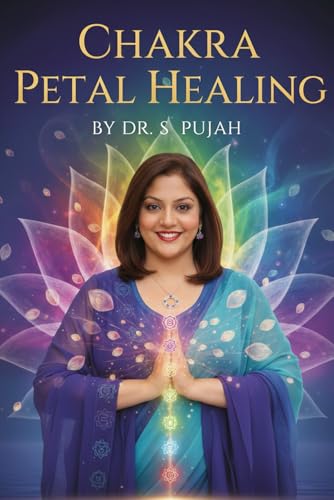
This guide provides clear instructions and sequences for aligning sacral chakra energy through hip-focused practices.
See it on Amazon →Supporting Sacral Chakra Balance with Crystals, Aromatherapy, and Sound
Modern chakra practices often include crystals, aromatherapy, and sound to complement physical and emotional work. These adjuncts aim to support the sacral chakra’s themes of creativity, pleasure, and emotional expression, particularly around the hips.
Common crystals used for the sacral chakra include carnelian, orange calcite, and moonstone. Carnelian is believed to stimulate creativity and courage. Orange calcite is associated with joy and emotional cleansing. Moonstone is favoured for its calming and intuitive properties. These uses are contemporary and not found in classical chakra texts.
- Carnelian: encourages motivation and vitality
- Orange Calcite: supports emotional balance and energy
- Moonstone: aids emotional calm and insight
Essential oils like orange, ylang-ylang, and sandalwood are popular for their emotional support qualities. Orange oil is uplifting and refreshing. Ylang-ylang calms nervous tension. Sandalwood grounds and centres emotions. Diffusing these oils or applying them diluted to the lower abdomen or hips can enhance relaxation.
Sound healing often uses the 417Hz solfeggio frequency or singing bowls tuned to the note D, which corresponds to the sacral chakra. These sounds can be played during meditation or movement to deepen focus and promote a sense of fluidity and release.
While there is no scientific evidence that crystals, oils or sound directly affect chakras, many find these practices helpful in creating a calming environment and encouraging mindfulness. They work best alongside physical exercises, breath awareness and emotional reflection already discussed.
Common Claims vs Facts About the Sacral Chakra and Hips
| Commonly claimed | Actually |
|---|---|
| Balancing the sacral chakra can cure physical or psychological diseases | There is no scientific evidence that chakra work cures medical conditions; benefits reported are experiential and subjective. |
| The sacral chakra is universally defined with exactly seven chakras and fixed attributes | Classical texts describe differing numbers and attributes of chakras; the modern seven-chakra model is a Western development. |
| Certain crystals have inherent powers to unblock the sacral chakra | Crystal use for chakras is a modern practice without documented historical or scientific basis, based on contemporary belief. |
| An overactive sacral chakra causes emotional instability and mood swings | This is a popular belief reflecting emotional imbalance, but it is not documented in traditional texts or scientific studies. |
| Sacral chakra blockage symptoms include hip stiffness and reproductive issues | These symptoms are commonly attributed in popular practice but lack scientific validation; they align with the chakra’s traditional anatomical associations. |
Frequently Asked Questions
Related Reading
- 5 Surprising Stones That Transform Your Sacral Chakra Energy — Crystals linked to sacral chakra healing
- Unlock Your Creative Power With the Sacral Chakra — Practical creativity exercises for sacral chakra
- Emotional Transformation Through Chakra Healing — Broader emotional work using chakras
- Carnelian Chakra Connection: Unlocking Sacral Energy — Focus on Carnelian’s role with sacral chakra
Sources
- Sacral Chakra Guide: Meaning & Balance | PraviCeler — Sacral chakra location, emotional and physical links
- Sacral Chakra: A Complete Guide to Creative Energy — Traditional sacral chakra descriptions and symbolism
- Sacral Chakra: The Complete Guide — Colour association and chakra functions
- Sacral Chakra Healing: Best Practices to Unblock and Balance Energy — Popular practices and reported symptoms

The article covers traditional and modern views of the sacral chakra and hips; it does not address medical treatment, which requires qualified professionals. As an Amazon Associate, Chakra Serenity earns from qualifying purchases. Prices and availability change, so check the listing before you buy.