Powerful Techniques to Open Your Chakras for Energy Flow
Clear, practical methods to activate all chakras and improve well-being
Opening your chakras involves targeted practices such as meditation, breathwork, yoga, and crystal therapy that help release blockages and promote energy flow. These techniques focus on each chakra’s qualities and support your overall well-being.
Many people seek ways to open their chakras to improve physical, emotional, and spiritual balance. However, online information often mixes tradition with modern invention, creating confusion about what really works.
The chakra system has roots in Indian spiritual texts but what is commonly taught today blends classical concepts with contemporary practices like crystals and sound healing.
This guide provides clear, accurate methods based on documented tradition and modern practicalities, helping you apply techniques that genuinely support chakra activation and balance.
Recommended Guide for Chakra Alignment
A detailed manual covering energy centres and five-element balance Links go to Amazon and earn this site a small commission at no extra cost to you.
Chakra Petal Healing
This book offers step-by-step instructions on chakra activation and balancing through energy alignment and five-element theory, suitable for beginners and experienced practitioners.
Skip it if: Skip if you prefer video or audio formats over text guides.
How to Open Your Chakras: Powerful Techniques for Energy Flow
To open your chakras, combine meditation, breathwork, yoga, and crystal or essential oil use. These practices release blockages and encourage smooth energy flow through the seven main chakras.
Chakras are energy centres aligned along the spine, each linked to physical and emotional functions. Opening them means clearing restrictions so energy can circulate freely, supporting balance and well-being.
The seven main chakras from root to crown with their Sanskrit names
Meditation involves focusing on each chakra’s colour and repeating its seed mantra (bīja mantra) silently. This directs attention to the centre, enhancing awareness and opening. Breathwork uses techniques like alternate nostril breathing to stimulate and balance chakras by influencing the subtle energy channels.
Yoga poses target specific chakras by activating their associated body areas. For example, Warrior pose energises the root chakra, while Camel pose opens the heart chakra. Crystals and essential oils complement these practices by supporting the intended chakra’s qualities through their colour, scent or vibration.
Practice Patience
Opening chakras is gradual. Expect progress over weeks or months with consistent effort, not instant results.
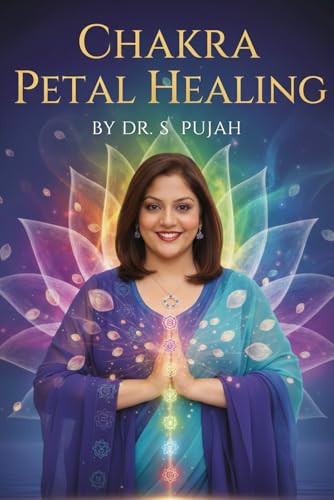
This guide offers detailed instructions and support for combining meditation, breathwork and crystals to open chakras.
See it on Amazon →Meditation Techniques for Chakra Activation
Chakra-focused meditation centres on visualising each chakra’s colour at its location on the body. This practice improves concentration and helps identify areas of tension or blockage.
Each chakra has a seed mantra, such as “Lam” for the root chakra or “Om” for the crown. Chanting these mantras silently or aloud directs vibrational energy to the chakra, encouraging it to open.
Beginners benefit from guided meditations that lead them step-by-step through chakra visualisation and mantra use. These recordings or scripts reduce distraction and build confidence.
Meditation helps remove energy blockages by calming the mind, increasing body awareness and focusing attention on each chakra. This creates space for energy to flow more freely and supports overall balance.
Classical practice
Using seed mantras and colour visualisation for chakras dates back to tantric and yogic traditions where sound and colour were tools for spiritual activation.
For a practical start, spend five minutes visualising each chakra’s colour from root red to crown violet, pairing this with the corresponding seed mantra. Increase duration gradually to deepen the effect.
This meditation technique is one of several effective chakra opening methods covered in detail in Powerful Chakra Meditation: Open Your Energy Centers.
Breathwork Practices to Stimulate Chakras
Breathwork, or pranayama, offers specific techniques to activate and balance chakras by influencing the body’s subtle energy channels known as nadis. Alternate nostril breathing (Nadi Shodhana) is a foundational practice that balances the ida and pingala nadis, which corresponds to harmonising the left and right energy channels and supports overall chakra equilibrium.
Kapalabhati, a rapid, forceful exhalation technique, energises the solar plexus chakra. This practice increases oxygen flow and stimulates the digestive fire, which is associated with personal power and vitality at the solar plexus level.
Deep belly breathing, which involves slow, full inhalations expanding the abdomen, grounds the root chakra. It encourages a sense of stability and connection to the earth, essential qualities for the base chakra’s function.
Breathwork offers benefits such as increased focus, emotional regulation, and enhanced energy flow through the chakras. However, caution is necessary: some pranayama techniques, like Kapalabhati, may be too intense for beginners or those with respiratory issues. Practising under guidance and avoiding forced breath retention ensures safety and effectiveness.
Breathwork Safety
Avoid holding your breath forcibly or practising intense breathwork without proper instruction, especially if you have high blood pressure, heart conditions, or respiratory problems.
Using Crystals and Essential Oils to Support Chakra Opening
Crystals and essential oils have become popular tools to support chakra opening by aligning with each chakra’s colour and qualities. Modern practice pairs crystals that match the traditional chakra colours: red or jasper for the root, orange carnelian for the sacral, yellow citrine for the solar plexus, green aventurine for the heart, blue sodalite for the throat, indigo lapis lazuli for the third eye, and violet amethyst for the crown.
During meditation, crystals are typically placed on the body at the chakra’s location to focus attention and enhance the sense of connection. For example, a green aventurine stone rests over the heart centre to encourage feelings of compassion and balance.
Essential oils complement this work by stimulating the senses and influencing mood. Oils such as patchouli and sandalwood support the root chakra, orange or ylang-ylang energise the sacral, lemon or ginger invigorate the solar plexus, rose or lavender soothe the heart, eucalyptus or peppermint open the throat, frankincense aids the third eye, and lotus or jasmine enhance the crown chakra.
These crystals and oils are part of contemporary methods rather than classical Indian texts, which focus more on mantras and meditation. Their use reflects adaptations in modern chakra healing to include sensory and tactile elements that help practitioners maintain focus and intention.
Modern Practice
While classical sources do not mention crystals or oils, these tools support concentration and intention in chakra work, making them practical adjuncts rather than traditional requirements.
Yoga Poses That Target Specific Chakras
Certain yoga postures help open and balance specific chakras by influencing the body’s alignment and energy flow. For example, Mountain pose supports the root chakra by grounding you firmly to the earth. This pose requires standing tall with feet hip-width apart and weight evenly distributed, fostering a sense of stability and security linked to the root chakra.
Cobra pose targets the heart chakra by opening the chest and encouraging deep breathing. Lying face down, you press your palms into the floor and lift your chest, stretching the front body. This expansion can help release emotional blockages and promote feelings of compassion and openness.
Headstand stimulates the crown chakra by inverting the body and increasing blood flow to the top of the head. This pose demands strength and balance, and it encourages mental clarity and connection to higher awareness. Practising headstand safely can enhance crown chakra activation.
Posture affects energy flow because the physical alignment of the spine and limbs influences the movement of subtle channels, or nadis, through which chakra energy circulates. Misalignment can create blockages, while open, balanced postures facilitate free energy movement.
- Mountain pose for grounding the root chakra: stand with feet hip-width apart, arms by your sides, and focus on steady breathing.
- Cobra pose to open the heart chakra: lie on your stomach, palms under shoulders, lift your chest while keeping hips on the floor.
- Headstand to stimulate the crown chakra: from a kneeling position, place forearms on the ground, interlock fingers, and lift feet overhead with control.
Signs and Experiences of Chakras Opening
Recognising when your chakras are opening involves noticing physical and emotional changes centred on the chakra locations. Tingling or warmth at these points is a common sign, indicating increased circulation or nerve stimulation near the chakra area.
Emotional release may happen suddenly during practices like meditation or yoga. This can include unexpected tears, shifts in mood, or vivid dreams reflecting subconscious processing. Such responses imply that blocked energy is moving.
Increased intuition and mental clarity often accompany chakra awakening. You might find decisions come more easily or notice heightened awareness of subtle feelings and surroundings.
Distinguishing Signs
Not all physical sensations near chakras indicate chakra opening. Pain or discomfort lasting beyond practice sessions usually points to muscle strain or injury, not energy shifts. Consult a healthcare professional for persistent symptoms.
These experiences vary in intensity and timing. Some feel subtle warmth after a session, while others notice stronger reactions during deeper practice. Tracking these signs over time helps confirm authentic chakra activation rather than unrelated bodily effects.
Common Misconceptions About Chakra Opening
Opening your chakras does not mean you are inviting spirits or external entities into your body or mind. This idea is a modern belief without support in classical Indian texts, where chakras are symbolic centres for physiological and psychological processes rather than portals to otherworldly forces.
Masturbation has no direct connection to chakra activation. While sexual energy is linked to the sacral chakra in some traditions, physical acts alone do not open chakras. Chakra work involves focused meditation, breath control, and bodily awareness, not incidental physical actions.
Claims of instantaneous chakra awakening or sudden enlightenment are often exaggerated. Traditional teachings describe chakra opening as a gradual process requiring consistent practice and discipline. Popular culture sometimes promotes rapid results to attract attention, but authentic progress takes time and effort.
Many modern chakra practices, such as associating specific crystals or colours with chakras, are recent inventions rather than ancient teachings. Classical sources vary widely on the number and characteristics of chakras. Contemporary systems, including the seven-colour rainbow model, blend symbolism with practical exercises for personal development.
There is no scientific evidence that chakra practices cure or treat physical or mental illnesses. People may experience relaxation or improved focus through meditation and breathwork, but these should not replace professional medical advice or treatment.
Chakra activation techniques have pros and cons. They can enhance body awareness, emotional balance, and relaxation when approached sensibly. However, overemphasis on quick results or reliance on unproven methods may lead to frustration or neglect of other health needs.
Understanding chakras as symbolic frameworks for mind-body connection helps avoid unrealistic expectations. Their use in yoga, meditation, and holistic practices supports well-being through self-awareness and intentional movement, rather than mystical powers or external forces.
For a grounded introduction to chakras and their practical use, see What Are Chakras? The Complete Guide to Energy Centers. To explore safe and effective activation methods, consider meditation and breathwork described in earlier sections of this guide.
Common Myths and Facts About Chakra Opening
| Commonly claimed | Actually |
|---|---|
| Opening chakras instantly grants spiritual powers | Traditional texts describe gradual chakra development through disciplined practice, not sudden powers; modern claims of instant effects are popular beliefs without classical basis. |
| Crystals and oils can directly open chakras by themselves | Crystals and essential oils support focus and relaxation but do not physically open chakras; their use is a modern complementary practice, not an ancient prescription. |
| Opening chakras invites spirits or external entities | Classical chakra teachings focus on internal subtle body processes; fears of spirits arise from misunderstanding or later cultural overlays, not original chakra concepts. |
| All chakras must be opened simultaneously for balance | Practices often focus on one chakra at a time to address specific blockages; opening all at once is uncommon and not advised by traditional methods. |
| Opening chakras can cause negative effects or harm | Proper practice emphasises safety and gradual progress; negative effects usually result from improper guidance or extreme attempts rather than chakra opening itself. |
Frequently Asked Questions
Related Reading
- Boost Energy Flow with Aromatherapy — Aromatherapy techniques to support chakra energy
- Chakra Balancing Affirmations — Using affirmations to support chakra energy flow
- Chakra Release Techniques — Methods to release chakra blockages for healing
- How to Open Your Crown Chakra — Focused techniques for the crown chakra

This article focuses on chakra opening practices and does not address medical or psychological treatment; consult qualified professionals for health issues. As an Amazon Associate, Chakra Serenity earns from qualifying purchases. Prices and availability change, so check the listing before you buy.