Best Gifts for Meditation Lovers: Unique and Thoughtful Ideas for Mindfulness
Unique ideas that enhance mindfulness and relaxation practice
The best gifts for meditation lovers are tools and items that support mindfulness and relaxation. These include guided aids, sound bowls, stress relief cards, and creative meditation sets designed to enhance daily practice and bring calm.
People often look for gifts that support wellbeing and mindfulness but find generic options that don’t fit meditation practice specifically.
Many gift guides offer vague suggestions without explaining why a product suits meditation or mindfulness, leaving buyers unsure.
This guide focuses on unique, practical gifts that genuinely aid meditation, with clear pros and cons, helping you choose confidently.
Top Gifts for Meditation Lovers
These products enhance meditation with practical features and thoughtful design Links go to Amazon and earn this site a small commission at no extra cost to you.
Daily Meditations for Recovery
This set supports daily meditation with accessible prompts designed to fit recovery and mindfulness routines. Easy to use for beginners and experienced meditators alike.
Skip it if: Skip if you prefer audio or app-based meditation guides.
Best Gifts for Meditation Lovers: Unique and Thoughtful Ideas for Mindfulness
The best gifts for meditation lovers are tools that directly support mindfulness and relaxation, such as guided meditation aids, sound bowls, and stress relief cards. These items help deepen practice by focusing attention, reducing stress, or encouraging regular meditation habits.
Guided meditation aids include apps, audio recordings, or books that lead users through meditation sessions step-by-step. They benefit beginners and those who struggle to maintain focus, offering structure and motivation. However, some users find them less flexible than silent meditation and may prefer to meditate without external guidance.
Sound bowls, particularly Tibetan singing bowls, produce resonant tones that enhance relaxation and help centre awareness. These are ideal for anyone who enjoys multisensory experiences during meditation. They require some care to play correctly and are less portable than other gifts.
Stress relief and mindfulness cards provide prompts, affirmations, or exercises that encourage reflection and calm. They suit meditators looking for daily inspiration or a quick mental reset. Cards are easy to carry and use anywhere but rely on the recipient’s engagement to be effective.
Creative meditation sets, such as Buddha Boards or colouring kits, offer hands-on ways to practise mindfulness through art. They appeal to those who benefit from visual or tactile focus. These sets keep the mind engaged but may not suit meditators seeking traditional silent practice.
Portability and ease of use vary across these gifts. Guided aids often require a device and headphones, sound bowls are heavier and fragile, while cards and creative sets are light and travel-friendly. Consider the recipient’s lifestyle and meditation style when choosing.
Suits
- Guided aids support beginners and maintain focus
- Sound bowls enrich sensory meditation
- Cards offer portable, quick mindfulness prompts
- Creative sets engage visual or tactile learners
Less suited to
- Guided aids depend on technology and may limit silent meditation
- Sound bowls are fragile and less portable
- Cards need active participation to be effective
- Creative sets may distract from traditional meditation
Choose gifts that match the recipient’s meditation style and routine. Guided tools support focus, sound bowls enhance relaxation, cards prompt mindfulness, and creative sets stimulate engagement.
How To Maintain Focus During Meditation and Mindfulness
Maintaining focus during meditation is challenging because the mind naturally wanders to thoughts, sensations, or external distractions. Recognising this tendency is the first step to improving concentration.
One effective technique is to anchor attention on the breath. Counting breaths or feeling the air entering and leaving the nostrils helps keep the mind present. When the mind drifts, gently returning to the breath without judgement strengthens focus over time.
Guided breathing aids, such as audio instructions or apps, can assist beginners by providing a clear focus point and pacing. They remind practitioners to maintain steady breathing and can prevent frustration during early practice.
Consistent daily practice builds mental stamina. Short sessions of five to ten minutes, gradually increasing in length, establish a habit that makes sustaining focus easier. Irregular or infrequent meditation often leads to wandering attention.
Environmental factors also influence focus. Meditating in a quiet, uncluttered space reduces interruptions. Dim lighting and comfortable seating support relaxation and reduce physical distractions.
Common mistake
Trying to force focus or eliminate thoughts entirely often backfires, increasing tension. Instead, allow thoughts to pass without engagement and return gently to the chosen point of attention.
- Set a clear intentionDecide before you begin what you want to focus on, such as breath or a mantra.
- Choose a quiet spaceFind an environment with minimal noise and distractions.
- Use a guided aid if neededSelect an app or recording to help maintain pace and focus.
- Notice wandering thoughtsAcknowledge distractions without judgement and return to your anchor.
- Practice dailyBuild a regular routine, starting with short sessions and increasing gradually.
The Role of Sound Bowls in Mindfulness and Meditation Practice
Tibetan singing bowls, also called sound bowls, have a history rooted in Himalayan Buddhist traditions. They produce resonant tones when struck or circled with a mallet, which practitioners use to anchor their attention in mindfulness of sound bowl meditation.
The bowls’ rich vibrations help reduce stress and invite a meditative state by providing a focal point that calms the restless mind. This auditory stimulus supports present-moment awareness, making it easier to notice and release distracting thoughts.
Sound bowls require proper technique to achieve their full effect. The player must apply steady pressure and speed when circling the mallet around the rim to generate a clear, sustained tone. Striking the bowl too hard or unevenly produces a harsh sound that can disrupt calm.
Craftsmanship varies, but traditional sound bowls are made from an alloy of seven metals, each said to correspond with a celestial body. Modern bowls might use fewer metals but aim to preserve the quality of sound. The surface often shows hand-hammered marks, a sign of artisanal making.
Mindfulness of Sound Bowl Meditation
Listening to and producing the sound encourages deep listening skills, helping practitioners enhance concentration and sensory awareness during meditation.
Suits
- Practitioners wanting an audible anchor for mindfulness
- Those who appreciate the ritual and artistry of traditional tools
Less suited to
- People sensitive to loud or sudden sounds
- Beginners without guidance might struggle with technique
Sound bowls appeal as gifts because they combine beauty, history, and practical use. Many come with mallets and cushions, creating a complete set that invites regular use. Their tactile and sonic qualities make them memorable presents that also encourage mindfulness practice.
Creative Meditation Tools: Buddha Boards and Visual Aids
Visual and creative tools, such as Buddha Boards and visual breathing aids, support mindfulness by engaging the senses and inviting gentle focus without pressure. They offer alternative ways to sustain attention during meditation and long term sessions.
The Original Buddha Board Art Set uses water instead of ink or paint. You paint on its surface with a brush dipped in water; the image appears and then fades as the water evaporates. This impermanence reflects mindfulness principles and removes the distraction of mess or permanence.
This inkless, mess-free art promotes relaxed, playful creativity, which lowers resistance to practice. Its gentle feedback loop encourages repeated use without frustration, helping maintain a meditation habit over time.
Suits
- People who prefer visual and hands-on mindfulness
- Those who want a portable, clean creative outlet
Less suited to
- Users seeking detailed or lasting artwork
- Those who want traditional meditation methods only
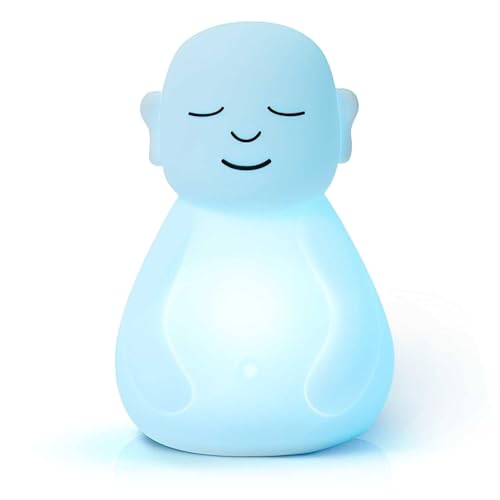
Creativity supports sustained meditation practice by activating different brain areas than silent sitting. It can break monotony and refresh motivation. Visual breathing tools like the Breathing Buddha use slow animation to guide breath pace, helping focus and calm the nervous system.

A Buddha Board set suits meditators who want a tactile, visual way to extend mindfulness beyond silence.
See it on Amazon →Visual aids like the Breathing Buddha provide a rhythmic guide that helps maintain steady breathing during longer sessions. This external pacing aids people who find it difficult to self-regulate breath, a key aspect in mindfulness and meditation long term sessions.
Together, creative and visual tools offer diverse ways to practise mindfulness. They complement traditional meditation by inviting presence through sight and touch, broadening what meditation can look like for different individuals.
Choosing Mindfulness and Stress-Reduction Cards for Meditation Support
Mindfulness and stress-reduction cards present short, focused prompts or techniques to support meditation and self-care. They work by guiding attention gently back to the present moment, offering practical reminders without requiring a device or app.
These cards are usually pocket-sized or compact, making them easy to carry or keep near your meditation space. Durable materials and clear, readable fonts improve usability. Some sets use calming colours or illustrations to enhance visual appeal and emotional comfort.
Typical card content includes breathing exercises, mindfulness prompts, brief guided visualisations, affirmations, and grounding techniques. Each card aims to be quick to read and simple enough to apply immediately, helping users interrupt stress or distraction.
When choosing a set, look for clear instructions and a variety of techniques that suit different moods or situations. Cards that avoid jargon or overly spiritual language tend to be more accessible. Consider the card material: laminated or coated cards resist wear and last longer.
These cards suit beginners needing structure and anyone wanting a portable mindfulness tool. They also make thoughtful gifts for meditation lovers who appreciate gentle, practical support during daily life or travel.
Suits
- Portable and easy to use anywhere
- Offers a variety of quick mindfulness techniques
- Does not require technology or screen time
Less suited to
- Limited depth compared to guided audio or books
- May feel repetitive once techniques become familiar
- Not personalised to individual needs
Lighting and Environment Enhancements for Meditation Spaces
Calming lighting significantly improves meditation by reducing visual distractions and signalling the brain to relax. Warm, soft light mimics sunset tones, which can soothe the nervous system and support focus.
Ideal light quality for meditation is indirect and dimmable, avoiding harsh fluorescents or bright whites. Warm colour temperatures around 2700K to 3000K create a welcoming atmosphere without triggering alertness.
The environment shapes mindfulness meditation writer income and quantum mindfulness meditation practices by influencing concentration and emotional state. A well-lit, clutter-free space encourages regular practice and deeper immersion.
Simple upgrades include LED downlights with adjustable brightness, salt lamps that emit a soft glow, or smart bulbs programmable for gentle transitions. These options balance practicality with creating a serene setting.
Chakra colour bands and the Ashoka Chakra spokes, showing harmony between meditation environment colours and traditional symbolism.
This LED downlight offers adjustable warmth and brightness, enabling a calm, personalised meditation environment.
See it on Amazon →Common Claims vs Facts About Meditation Gifts
| Commonly claimed | Actually |
|---|---|
| Tibetan singing bowls instantly cure stress and anxiety | Sound bowls help create a calming atmosphere and support relaxation, but they do not cure stress or anxiety. Their soothing tones aid mindfulness, which may reduce perceived stress over time. |
| Lighting changes alone can guarantee better meditation focus | Calming lighting helps reduce distractions and signals relaxation, but effective meditation also depends on practice and environment beyond lighting. |
| Mindfulness cards replace the need for guided meditation | Mindfulness and stress-reduction cards provide useful prompts but work best as supplements to established meditation routines, not standalone solutions. |
| Creative tools like Buddha Boards are distractions, not aids | Creative aids engage the senses softly and invite focus without pressure, making them helpful supports for mindfulness, especially for beginners. |
| Meditation tools work the same for everyone | Individual preferences and needs vary widely, so a tool that suits one person’s practice may not benefit another; thoughtful gift choices consider this diversity. |
Frequently Asked Questions
Related Reading
- Best Gifts for Meditation: Relaxing Tools to Calm Your Mind and Body — Buyer guide to practical meditation gifts
- Best Meditation And Mindfulness Books to Transform Your Daily Life — Recommended reading for meditation improvement
- Zen Mindfulness: The Art of Present-Moment Awareness — Explores mindfulness principles
- Powerful Mindfulness Affirmations for Daily Peace — Focuses on affirmations in meditation

The article focuses on meditation gift ideas and does not address medical or psychological treatment; consult professionals for health concerns. As an Amazon Associate, Chakra Serenity earns from qualifying purchases. Prices and availability change, so check the listing before you buy.