Pilates for Chakra Alignment: Boost Energy & Core Strength
A precise method to boost energy flow through mindful Pilates practice
Pilates supports chakra alignment by integrating breath control and targeted core movements, promoting balanced energy flow and physical strength. This approach complements chakra work without requiring spiritual focus, making it accessible and effective for energy balance.
Many seek ways to balance their chakras while improving physical health. Pilates is often overlooked, yet it offers a practical path to harmonise body and energy centres through movement and breath.
Common sources emphasise yoga or meditation for chakra work but rarely connect Pilates with energy alignment. This leaves beginners uncertain about Pilates’ role in chakra practices.
This guide clarifies how Pilates affects chakra alignment, explains exercises tied to specific chakras, and provides routines integrating breath and movement for energy balance.
Recommended Resource for Chakra Alignment
Comprehensive guide linking energy centres with mindful practices Links go to Amazon and earn this site a small commission at no extra cost to you.
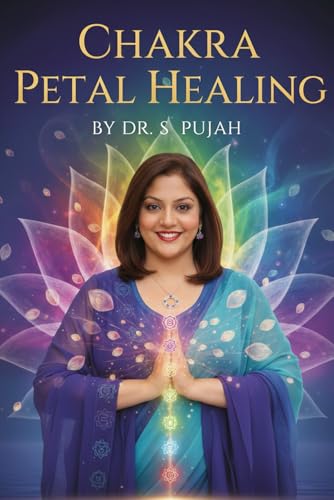
Chakra Petal Healing: A Complete Guide
This guide connects chakra theory with practical exercises and balance techniques useful alongside Pilates.
Skip it if: Skip if you prefer brief guides rather than in-depth study.
Pilates for Chakra Alignment: Boost Energy and Core Strength
Pilates supports chakra alignment by combining controlled breath with precise core movements, enhancing both physical strength and balanced energy flow. This practice helps align chakras by activating key muscle groups that correspond to major energy centres in the body.
The integration of breath and movement in Pilates creates a rhythm that encourages steady, mindful engagement of the core muscles. This deliberate coordination improves posture and stimulates the flow of prāṇa (life force) around the torso, where several chakras reside. As these muscles engage, internal tension eases, allowing energy pathways to clear.
Pilates primarily strengthens the deep abdominal muscles, pelvic floor, and back extensors. These muscles support the spine and pelvis, areas linked to the lower chakras such as the Muladhara (root) and Manipura (solar plexus) chakras. Strengthening these zones grounds energy and boosts personal power, two key aspects of chakra balance.
Beyond the core, Pilates movements also open the chest and shoulders, which correspond to the Anahata (heart) chakra. This expansion encourages emotional openness and balanced breath, further supporting energy circulation.
Pilates exercises often focus on root, solar plexus, and heart chakras due to core and breath engagement.
- Focus on Breath ControlMaintain steady, deep breaths coordinated with movement to enhance energy flow.
- Engage Core MusclesActivate abdominal and pelvic floor muscles to support chakra alignment.
- Include Chest Opening MovementsIncorporate exercises that expand the chest to stimulate the heart chakra.
Pilates offers a practical technique for chakra cleaning and alignment by linking physical movement to breath awareness. It complements traditional chakra work by providing a tangible way to activate and balance energy centres without requiring spiritual practices or visualisation.
Supports Root Chakra
Strengthens pelvic floor and hips, anchoring energy and promoting stability.
Activates Solar Plexus Chakra
Engages core muscles, enhancing personal power and vitality.
Opens Heart Chakra
Expands chest and shoulders, encouraging emotional balance.
Breathwork in Pilates and Its Effect on Energy Flow
Pilates uses a lateral breathing technique that expands the rib cage sideways while keeping the abdomen engaged. This method increases lung capacity and oxygen delivery to muscles, which supports sustained movement and energy circulation through the body’s channels.
This breathing style differs from shallow chest or belly breathing by combining full oxygenation with core engagement. It encourages steady prāṇa flow, which many practitioners associate with balanced chakra energy. The expanded ribs gently massage internal organs, which can reduce tension and aid detoxification.
Breath and Energy
Lateral breathing promotes oxygen-rich blood flow that energises muscles and supports chakra activation through improved circulation.
Relaxing the breath between repetitions helps release stored tension, which can block chakra energy. Consistent practice of Pilates breathwork encourages a calm yet alert state, creating a foundation for chakra alignment.
Some practitioners pair this breath technique with essential oils known for chakra support, such as lavender for calming the crown chakra or peppermint for energising the solar plexus. Using oils during Pilates can enhance sensory focus and deepen the connection to energy centres.
Choosing music for chakra alignment during Pilates should complement the breath rhythm and movement pace. Slow, steady beats or ambient tracks with subtle tones help maintain breath control and concentration, supporting relaxed energy flow.
Music Tips
Opt for music with a clear, consistent rhythm that matches Pilates breath and movement to aid chakra alignment and focus.
For more on pairing essential oils with chakra work, see Essential Oils for Chakra Alignment: A Complete Guide.
Chakra-Focused Pilates Exercises
Pilates offers specific exercises that stimulate individual chakras by aligning physical movement with the energetic centres. Each exercise targets muscles and nerves linked to a chakra, encouraging balance and vitality.
The root chakra (Muladhara) benefits from grounded movements like the “Footwork” series on the Reformer, which strengthens the legs and stabilises the pelvis. This supports feelings of safety and connection to the earth, enhanced by the colour red or crystals such as red jasper.
For the sacral chakra (Svadhisthana), exercises involving hip articulation and fluid movement, such as “Pelvic Curl” and “Leg Circles,” stimulate creativity and emotional flow. Orange hues and carnelian stones complement this work.
Core-focused exercises, including “The Hundred” and “Teaser,” directly engage the solar plexus chakra (Manipura). This chakra governs personal power and confidence, making strong abdominal control essential. Yellow tones and citrine crystals pair well here.
The heart chakra (Anahata) opens with chest-expanding exercises like “Swan” and “Chest Lift,” which promote compassion and emotional balance. Green or pink colours and rose quartz crystals suit this area.
Throat chakra (Vishuddha) activation comes from movements that encourage spinal length and neck extension, such as “Neck Pull” and “Shoulder Bridge.” Blue shades and aquamarine crystals support vocal expression and communication.
The third eye chakra (Ajna) benefits from exercises requiring concentration and balance, for example, “Balance on One Leg” or “Side Kick Series.” Indigo colours and amethyst crystals enhance mental clarity.
Finally, the crown chakra (Sahasrara) aligns with meditative Pilates poses that integrate breath and stillness, such as “Rest Position” or “Mermaid Stretch.” Violet or white colours and clear quartz crystals assist spiritual connection.
| Chakra | Exercise(s) | Physical Benefit | Energetic Benefit | Colour/Crystal |
|---|---|---|---|---|
| Root | Footwork | Strengthens legs and pelvis | Grounding and stability | Red / Red Jasper |
| Sacral | Pelvic Curl, Leg Circles | Increases hip mobility | Enhances creativity and flow | Orange / Carnelian |
| Solar Plexus | The Hundred, Teaser | Builds core strength | Boosts confidence and willpower | Yellow / Citrine |
| Heart | Swan, Chest Lift | Expands chest and shoulders | Promotes compassion | Green/Pink / Rose Quartz |
| Throat | Neck Pull, Shoulder Bridge | Lengthens neck and spine | Supports communication | Blue / Aquamarine |
| Third Eye | Balance on One Leg, Side Kick Series | Improves balance and focus | Enhances intuition | Indigo / Amethyst |
| Crown | Rest Position, Mermaid Stretch | Encourages relaxation | Fosters spiritual connection | Violet/White / Clear Quartz |
Pilates Exercises Linked to Chakras
Using Pilates Equipment to Enhance Chakra Energy
Pilates equipment like the Reformer, Magic Circle and Resistance Bands help target specific energy pathways by providing resistance and support tailored to chakra-focused movements. These tools deepen muscle engagement and can amplify the body’s biofield effects during practice.
The Reformer uses springs and a sliding carriage to challenge core strength while stabilising the pelvis and spine, making it effective for stimulating the root, sacral and solar plexus chakras. It offers precise control, ideal for those seeking energetic Pilates with physical alignment.
The Magic Circle provides gentle resistance for arm, leg and core exercises. It activates the heart and throat chakras by encouraging chest expansion and shoulder mobility with focused effort. Its compact size suits home practice and complements breathwork for chakra realignment.
Resistance Bands add variable tension to movements that lengthen the spine and open the chest, assisting throat, third eye and crown chakra work. They increase proprioceptive feedback, which may enhance awareness of subtle energy shifts during Pilates.
Suits
- Practitioners wanting precise chakra targeting through resistance
- Those who benefit from biofield enhancement via equipment use
- Users seeking deeper muscle engagement for energy alignment
Less suited to
- Beginners without equipment experience may prefer mat Pilates
- Those with limited space or budget may find equipment impractical
Creating a Daily Pilates Routine for Full Chakra Balance
Practising Pilates daily can support alignment of the seven chakras by combining specific exercises with controlled breathing. A consistent 15-minute sequence targeting each chakra helps maintain spinal alignment, core strength, and encourages balanced movement along the body’s energy centres.
- Root Chakra: Pelvic CurlLie on your back with knees bent, feet flat. Slowly lift your pelvis, peeling the spine off the mat vertebra by vertebra, then lower down with control. Focus on engaging your core and feeling stability in the lower spine and hips.
- Sacral Chakra: Hip CirclesOn hands and knees, gently draw circles with your hips, keeping the movement smooth. This mobilises the pelvic area and supports flexibility in the sacral region.
- Solar Plexus Chakra: Hundred BreathsLie on your back, lift head and shoulders slightly, extend legs at a 45-degree angle. Pump your arms up and down while inhaling for five counts and exhaling for five counts. This strengthens the core and stimulates the abdominal area linked to personal power.
- Heart Chakra: Chest Lift with Arm ReachFrom lying down, lift your chest by engaging your upper abdominal muscles while reaching your arms forward, then open them wide to the sides. This encourages expansion in the chest and shoulder area.
- Throat Chakra: Neck RollsSit tall with a straight spine. Slowly lower your chin toward your chest and roll your head gently from side to side. This improves neck flexibility and encourages relaxation around the throat.
- Third Eye Chakra: Seated Spine TwistSit cross-legged with your right hand on your left knee and left hand behind you. Inhale to lengthen your spine, then exhale and twist gently to the left. This movement supports spinal mobility and focus.
- Crown Chakra: Resting MeditationLie comfortably on your back with eyes closed. Maintain natural breathing for two minutes. Visualise a flow of light from the crown of your head down through the spine, completing the circuit of alignment.
Daily Practice
Perform this routine once daily to support posture and core strength, which may assist in unblocking physical restrictions that affect chakra flow. Pilates complements but does not replace traditional chakra healing practices. Expect increased body awareness and improved alignment over time.
How to Choose Music for Chakra Alignment During Pilates
Choose music that supports the rhythm of your Pilates practice and the chakra you want to focus on. For beginners, steady instrumental tracks with a moderate tempo work best, as they enhance concentration without distraction.
Suits
- Instrumental music with steady tempo matching Pilates breath and movement
- Tracks tuned to solfeggio frequencies linked to specific chakras
- Music with gentle tones that maintain calm focus
Less suited to
- Fast-paced or heavily lyrical music that breaks concentration
- Music that is too loud or too soft for comfortable listening
- Random playlists lacking intentional selection
Many people use ambient sounds, Tibetan singing bowls, or compositions tuned to solfeggio frequencies for chakra alignment. For example, 396 Hz is often associated with the Muladhara (root chakra), while 963 Hz corresponds to the Sahasrara (crown chakra). These tones are a modern addition to chakra practice rather than traditional teachings.
Create a playlist before your Pilates session and avoid changing tracks mid-practice. Match the music’s mood to the chakra focus: calming sounds for the Heart chakra, uplifting tones for the Solar Plexus. This intentional pairing supports steady breathing and movement flow, helping maintain your physical and mental alignment during exercises.
Common Myths About Pilates and Chakra Alignment
| Commonly claimed | Actually |
|---|---|
| Pilates alone can fully align all chakras | Pilates supports chakra balance but is not a complete alignment system by itself; it complements other chakra practices |
| Special Pilates equipment is essential for chakra work | Equipment like the Reformer enhances exercises but basic Pilates without it still benefits chakra energy |
| Pilates breathing is the same as meditation breathwork | Pilates uses lateral breathing that keeps the abdomen engaged, differing from slower, deeper meditation breaths |
| Music is unnecessary for effective Pilates chakra alignment | Music can enhance focus and energy flow but is optional, depending on personal preference |
| Chakra alignment through Pilates requires spiritual focus | Pilates aligns chakras through breath and movement, without needing spiritual or meditative focus |
Frequently Asked Questions

As an Amazon Associate, Chakra Serenity earns from qualifying purchases. Prices and availability change, so check the listing before you buy.