Elemental Chakra Ritual: How to Balance Earth, Water, Fire & Air
A complete, practical guide to elemental chakra rituals and their origins
Elemental chakra rituals balance the four classical elements—earth, water, fire, and air—to harmonise your chakras and overall wellbeing. This guide provides a clear, step-by-step ritual combining these elements with historical context, safety advice, and meditation techniques.
People seek elemental chakra rituals to restore balance and vitality through the four classical elements. Many find existing guides confusing, incomplete, or focused on just one element.
Common answers often limit the history to Greek philosophy, overlook safety measures for fire and water, and fail to provide a full ritual combining all elements.
This article fills those gaps by explaining the origins of elemental systems, offering a detailed ritual, clarifying imbalance signs, and guiding beginners with practical methods.
Recommended Guide for Elemental and Chakra Balance
For deeper energy alignment and five-element harmony, see this comprehensive resource. Links go to Amazon and earn this site a small commission at no extra cost to you.
Chakra Petal Healing
This guide is specifically framed around energy alignment and five-element balance, so it suits readers who want to connect elemental practice with chakra work. Its complete-guide format gives you one resource to consult after trying the basic ritual.
Skip it if: Skip it if you only need a short, equipment-free meditation.
Elemental Chakra Ritual: Balance Energy with Earth, Water, Fire & Air
An Elemental Chakra Ritual balances earth, water, fire and air through attention, breath, sensory symbols and a quiet intention, with spirit held at the centre. To practise a chakra ritual with earth, water, fire and air, place one safe object for each element, move through the four qualities in sequence, then sit in stillness and notice what has changed.
In this modern ritual format, the Earth element represents stability and the physical body; Water represents emotion, intuition and flow; Fire represents will, courage and change; Air represents thought, breath and communication. These are traditional and contemporary correspondences, not a medical system, and the familiar links between elements and chakras belong mainly to modern practice rather than one fixed Sanskrit teaching.
Choose a quiet place and work at a regular time, such as morning or early evening. Face the centre of the room, clear a small surface, and place earth in the north, air in the east, fire in the south and water in the west. A stone, bowl, candle and feather can represent them, but ordinary objects work just as well.
A common ritual layout: earth in the north, air in the east, fire in the south, water in the west and spirit at the centre. These directional correspondences vary between traditions.
- Settle with EarthHold a stone or rest your palm on the floor. Feel your sitting bones and feet, then imagine roots extending from the base of your spine into the ground. Name one practical quality you want to strengthen, such as patience.
- Breathe with AirTurn towards the eastern marker and follow each breath from its entry at the nose to its release. Let thoughts pass without chasing them. Use a simple phrase such as “clear and steady” on the exhale.
- Focus with FireLight a candle and watch the flame from a comfortable distance. State one intention in plain words. Keep the intention in mind as the flame represents directed will and change.
- Soften with WaterTouch the outside of a bowl of clean water, or take a small sip if it is drinking water. Notice an emotion without labelling it as a problem. Let the sensation rise, shift and settle like water moving in a bowl.
- Rest in SpiritMove your attention to the centre of the altar or to the space before the heart. Sit quietly and allow earth, air, fire and water to be present without adding another image. This fifth element is called spirit, ether or akasha in different traditions.
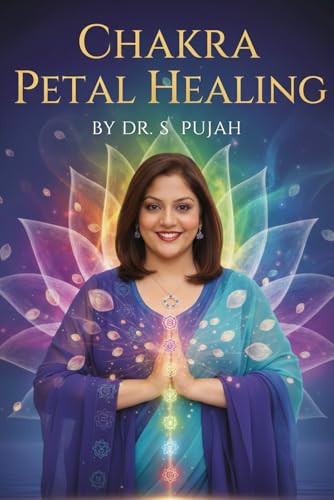
Product 1 is suited to readers who want one reference centred on chakra alignment and five-element balance before practising the ritual. Skip it if you only need a stone, bowl or candle; the ritual itself requires no specialist equipment.
See it on Amazon →Keep the symbols safe
Use a stable, heat-resistant surface for the candle, keep it away from cloth, paper and loose hair, and extinguish it before leaving the room. Never burn an intention note indoors. Use clean water, avoid herbs or salt on irritated skin, and do not drink water that contains them.
Indoor adaptation
In a small room, place the four objects on one tray instead of using the compass points. Replace the flame with a battery candle, the bowl with a sealed glass of water, and the feather with the feeling of air on the skin. The attention gives the ritual its structure; special tools and lineage transmission are not required.
People may report feeling grounded, clear, motivated or emotionally lighter after this practice, but there is no scientific evidence that elemental rituals balance chakras or treat illness. Use the ritual as a reflective practice, and seek qualified medical or psychological help for persistent physical or emotional symptoms.
Historical Origins of the Four Elements Beyond Greek Tradition
The history of the four elements has more than one beginning. Greek philosophy grouped nature as earth, water, fire and air, but the origins of elemental systems also appear in Ayurveda and Chinese medicine. These traditions overlap in names and qualities while using different maps of reality.
In Ayurveda, the Indian medical tradition, the five great elements are earth, water, fire, air and akasha, or space. Earth suggests structure, water fluidity, fire change, air movement and space the room in which the others exist. This five-element model underlies traditional accounts of the body and mind. It is not the same as the familiar Western four-element chart with chakra colours.
Chinese medicine uses five phases: wood, fire, earth, metal and water. They describe processes and relationships rather than four physical substances. Fire and water overlap with other systems, while wood and metal have no direct place in the Greek or Ayurvedic four-element list. Treating all these models as interchangeable erases the reason each tradition developed its own correspondences.
Elemental ideas shaped spiritual and healing practices by giving people a language for observing qualities such as stability, movement, heat, flow and change. Ritual altars later placed earth in the north, air in the east, fire in the south and water in the west. Other systems connect the four elements with Tarot suits—Pentacles, Swords, Wands and Cups—and with fixed zodiac signs. These are traditional or modern correspondences, not scientific classifications. A broader look at the four-element model appears in the guide to elemental shamanism.
The Fifth Element
Some traditions add spirit, ether or akasha as a fifth element. It represents the space, awareness or divine principle that joins the other four. In an elemental ritual, it is often placed at the centre rather than assigned to a physical direction. The terms come from different traditions, so they should not be treated as exact synonyms.
Signs of Elemental Imbalance and How to Measure Them
To tell if elements are imbalanced, track repeated patterns in your body, mood and behaviour rather than relying on one difficult day. Elemental imbalance symptoms are traditional descriptions, not medical diagnoses. There is no accepted device that can measure elemental energy, so use observation and meditation feedback as reflective tools.
| Element | Common sign | Useful observation |
|---|---|---|
| Earth | Stagnation or heaviness | Tasks remain unfinished and routines feel fixed |
| Air | Scattered attention | Thoughts jump quickly and speech feels rushed |
| Fire | Burnout or irritability | Drive turns into exhaustion, impatience or short temper |
| Water | Emotional overwhelm | Feelings linger and ordinary changes feel hard to absorb |
Traditional signs of elemental imbalance, translated into observable behaviour.
Start a brief journal before and after your elemental practice. Record sleep, appetite, attention, mood and the quality you noticed most strongly: heavy, scattered, overheated or flooded. Add a practical check. A cluttered room may give you a concrete earth-related task; shallow, hurried breathing may show that an air practice needs slowing; persistent tiredness is a reason to reduce fire imagery rather than intensify it.
Meditation can supply another kind of feedback. Sit quietly and notice which image or sensation appears easily, which feels strained and which leaves you more unsettled. Do not force a symbolic interpretation. Compare the same observations across repeated sessions, and use an earth-based grounding practice if you need a simple starting point.
Keep the measure honest
Elemental balance is a contemplative framework, not an objective score. Rituals may produce subjective benefits such as a clearer sense of attention, but no scientific evidence shows that they instantly cure physical or emotional problems. A persistent symptom deserves advice from a qualified health professional, not a stronger ritual.
Practical Elemental Meditation Techniques for Beginners
Elemental meditation techniques can be simple: sit with one sensory focus, notice your breath and body, then name the quality you want to practise. To meditate with earth, water, fire and air, use a stone or floor contact, a bowl of water, a candle and natural breathing. This beginner elemental meditation takes about five minutes per element, or one minute each when time is short.
- Ground with earthSit with your feet on the floor or your knees lower than your hips. Feel the contact beneath you. Traditional visualisation adds roots extending from the base of the spine into the earth; use it as an image for steadiness, not a literal claim. Notice weight, pressure and stillness for five slow breaths.
- Follow air with breathKeep the breath unforced. Feel air at the nostrils, then track the movement through the chest and abdomen. On each exhale, release your attention from one thought and return to the next breath. This practice uses air as a symbol of clarity, communication and movement.
- Rest your gaze on firePlace a candle in a stable holder at eye level or slightly below it. Watch the flame without staring until your eyes strain. Notice its changing shape, then close your eyes and observe the after-image. State one practical intention, such as speaking clearly or finishing one task.
- Let water moveSet a bowl of clean water in front of you. Watch its surface and notice temperature, light and small ripples. Match your attention to the movement: thoughts can arise and pass without needing a response. Do not add herbs or salt if the bowl may be mistaken for drinking water.
- Bring the four togetherFinish with feet on the floor, three natural breaths, the candle in view and the water bowl nearby. Name one quality from each element: steadiness, clear attention, deliberate action and flexibility. Sit quietly for one minute, then remove the objects.
For daily practice, choose one element that matches the pattern you have observed. Earth suits a scattered routine, air suits dull or repetitive attention, fire suits hesitation, and water suits rigid reactions. These are traditional and modern symbolic associations, not diagnoses. A short repeated practice is easier to assess than a long ritual used only once.
No special equipment required
Awareness and intention are enough. A floor, your breath and an imagined element can replace every object. Use tools only when they make attention easier.
Safety and Practical Guidance for Fire and Water Rituals
Fire ritual safety starts with placement, supervision and ventilation. Water ritual safety starts with clean water, a stable container and a clear plan for spills. Safe elemental practice keeps the symbolic act smaller than the household risk: a ritual can use a candle or bowl without burning paper, ingesting mixtures or filling a room with smoke.
Fire precautions
Put the candle on a fireproof, level surface away from curtains, books, loose sleeves, children and animals. Keep the wick and flame within sight for the entire practice. Do not carry a lit candle, leave it burning in another room or use a cracked holder. Ventilate the room, but keep the candle away from strong draughts. Extinguish it with a snuffer or by following the holder’s instructions; never use water on hot wax or a candle flame.
Water precautions
Use clean water in a wide, heavy bowl on a tray or towel. Keep electrical cables, phones and other devices away from the container. Do not drink ritual water containing salt, herbs, oils or objects. Pour it into a sink or onto suitable soil after checking that added materials will not damage plumbing or plants. Wipe spills immediately, especially on wood and near sockets.
Small-Space Adaptations
A desk or bedside table is enough. Represent earth with the floor beneath your feet, air with ordinary breathing, fire with an LED candle and water with a sealed jar. If open flame is unsafe, skip it. The practice still works as a sequence of attention rather than a display of objects.
- Tie back loose clothing and hair before using a candle.
- Keep water in a container that cannot tip easily.
- Never burn paper, herbs or oils indoors without specialist knowledge and suitable equipment.
- Check the floor and table after the practice for wax, moisture or dropped objects.
Elemental Correspondences: Tools, Colours, Stones, and Zodiac
Elemental tools and stones give a ritual a sensory focus. Most pairings below belong to modern Western practice rather than a single ancient Sanskrit system, so use them as prompts for attention rather than fixed laws.
| Element | Tool, colour and stone | Quality in practice |
|---|---|---|
| Earth | Stone, bowl of soil or pentacle; brown or green; hematite or black tourmaline | Grounding, patience and physical steadiness |
| Air | Feather, incense or bell; yellow or pale blue; clear quartz or fluorite | Breath, thought and communication |
| Fire | Candle, lamp or wand; red or orange; carnelian or sunstone | Will, courage and change |
| Water | Bowl, shell or cup; blue or silver; moonstone or aquamarine | Feeling, intuition and adaptability |
Colour and crystal pairings are contemporary ritual correspondences, not proven properties of the materials.
Traditional elemental altars often place Earth in the north, Air in the east, Fire in the south and Water in the west. A simple indoor altar can use one safe object for each direction; no special equipment or lineage is required. Spirit, also called Ether or Akasha in some traditions, occupies the centre as the element that links the other four.
Zodiac And Tarot Elemental Links
| Element | Fixed zodiac sign | Tarot suit |
|---|---|---|
| Earth | Taurus | Pentacles |
| Air | Aquarius | Swords |
| Fire | Leo | Wands |
| Water | Scorpio | Cups |
These are established correspondences within the Western occult systems that use them.
To connect the correspondences with chakra practice, choose one quality before sitting: Earth for steadiness, Water for emotional awareness, Fire for resolve or Air for clear breathing. Hold the matching object, observe its colour and texture, then place attention on the chakra area used in your wider practice. The familiar rainbow chakra chart and fixed crystal pairings are modern developments, so do not present this exercise as a rule from classical Indian texts.
Keep The Claim Precise
A stone, colour or ritual object can support concentration and personal meaning. There is no scientific evidence that an elemental correspondence cures a physical or psychological condition; seek qualified care for health concerns.
Common Claims About Elemental Chakra Rituals: Fact vs Fiction
| Commonly claimed | Actually |
|---|---|
| The four elements form one universal ancient system that began with Greek philosophers. | Greek philosophy is one documented source, but elemental systems also developed independently in traditions including Ayurveda and Chinese medicine. Their elements and meanings do not match exactly. |
| An elemental ritual needs specialised tools or transmission through a particular lineage. | Many contemporary practices begin with attention, breath and intention alone. Bowls, stones and candles add sensory focus, but they are optional tools rather than requirements. |
| Balancing the elements instantly cures emotional or physical problems. | There is no scientific evidence that elemental rituals cure health conditions. Practitioners may report a subjective sense of calm or focus, which is different from a medical treatment. |
| Earth, air, fire and water have the same chakra meanings in every tradition. | These pairings belong mainly to modern correspondences. Classical Indian chakra systems vary, and the familiar four-element chakra chart should not be presented as one fixed Sanskrit teaching. |
| The fifth element is another physical element that completes the four. | Some traditions add spirit, ether or akasha as the principle that unites the other elements. It is usually treated as a spiritual or spatial principle, not a material substance. |
Frequently Asked Questions
Related Reading
- seven chakra balancing rituals — Practical ritual ideas for working with the chakra system
- step-by-step guide to all seven chakras — A sequential approach to balancing all seven chakra centres
- complete guide to what chakras are — Background on chakra names, history and modern interpretations
- chakra balancing tea ritual — A gentle drink-based ritual with a clear sensory focus
Sources
- Elemental Altar: Earth, Air, Fire, Water Setup & Balancing Guide – Nicole’s ritual universe — Elemental qualities, altar directions and fifth-element tradition
- Elemental Magic: Working With Earth, Air, Fire, and Water for Transformation | AstraTalk Blog — Elemental correspondences, Tarot suits, zodiac signs and ritual practice
- 10 Powerful Rituals for Elemental Channeling — Popular candle, water, breath and intention-based rituals
- Elemental Witchcraft: Working With Earth, Air, Fire, and Water – Witchcraft For Beginners — Contemporary elemental tools, symbolism and ritual methods

This article covers spiritual practice and subjective experience, not diagnosis or treatment; speak with a qualified professional about a health concern. As an Amazon Associate, Chakra Serenity earns from qualifying purchases. Prices and availability change, so check the listing before you buy.