Healing Music for Chakras: Complete Guide to Sound Therapy
Clear guide on sound therapy to balance chakras with frequencies and instruments
Healing music for chakras uses specific sound frequencies and instruments to balance and align the seven main energy centres. This guide explains how sound therapy works, the traditional and modern sounds used, and practical steps for effective chakra healing music sessions.
Many people look for music to balance and heal their chakras but face confusing advice. Sources often mix traditional teachings with modern ideas, making it unclear which sounds and frequencies are appropriate.
The chakra system originates from ancient Indian texts, describing seven main energy centres along the spine, each linked to physical and emotional themes. Sound healing for chakras uses tones believed to resonate with these centres.
This article addresses gaps in common guides by explaining the science behind sound healing, how to identify which chakra needs attention, and detailed routines using traditional seed sounds and modern frequencies.
Recommended Sound Healing Tools
Select instruments that produce clear, resonant tones for chakra work Links go to Amazon and earn this site a small commission at no extra cost to you.
Premium Tibetan Singing Bowl Set
This set offers a clear, calming sound ideal for meditation and chakra work. Handmade craftsmanship ensures consistent tone quality, supporting focused sound healing sessions.
Skip it if: Skip if you prefer electronic or digital sound sources instead of acoustic instruments.
Healing Music for Chakras: A Guide to Sound Therapy
Chakra music uses specific sounds to balance and align the seven main energy centres along the spine. Sound therapy for chakras involves listening to or producing tones believed to resonate with each chakra, facilitating emotional and physical harmony.
Sound affects chakras through vibrations that interact with the body’s subtle energy system. These vibrations are thought to influence the frequency at which each chakra operates, helping to clear blockages or overstimulation. While chakras are not physical organs, sound vibrations can affect related emotional and physiological states.
Types of Sounds in Chakra Healing
- Traditional seed sounds or bija mantras: syllables linked to each chakra used in chanting and toning
- Vowel sounds matched to chakras, used in modern sound therapy
- Solfeggio frequencies: specific tones paired with chakras in contemporary practice
- Instruments like Tibetan singing bowls, crystal bowls, and tuning forks producing resonant tones
- Modern additions such as binaural beats and nature sounds designed to support relaxation and focus
How to Use Chakra Healing Music
- Choose music or sounds targeting the chakra you want to balance
- Find a quiet place to sit or lie comfortably
- Listen attentively, noticing sensations or emotions without judgement
- Use sound healing sessions before or during meditation, yoga, or relaxation
- Repeat sessions regularly, starting with 10 to 15 minutes for consistency
Seed Sounds and Vowels
Seed sounds (bija mantras) come from Sanskrit tradition and are linked to specific chakras. Vowel sounds offer a modern alternative often used in sound therapy.
The seven main chakras aligned from root to crown, shown with their Sanskrit names.
Traditional and Modern Sounds Used in Chakra Healing
Sound therapy for chakras uses a range of traditional and modern sounds. Seed sounds, or bija mantras, are ancient syllables believed to resonate with specific chakras. Each chakra has a corresponding syllable, such as “Lam” for the root chakra and “Om” for the crown chakra. These sounds are chanted or intoned to stimulate and balance the chakras.
Alongside seed sounds, vowel sounds are used in some traditions. These vowels can be held as tones to activate the chakras, offering a simpler or more accessible method than chanting mantras.
Solfeggio Frequencies and Chakra Pairs
- 396 Hz for Muladhara (root chakra)
- 417 Hz for Svadhisthana (sacral chakra)
- 528 Hz for Manipura (solar plexus chakra)
- 639 Hz for Anahata (heart chakra)
- 741 Hz for Vishuddha (throat chakra)
- 852 Hz for Ajna (third eye chakra)
- 963 Hz for Sahasrara (crown chakra)
These frequencies are widely used in chakra healing music today, though they derive from modern Western practices rather than ancient texts.
Instruments Used in Chakra Healing
- Tibetan singing bowls produce rich, sustained tones that support meditation and chakra focus
- Crystal bowls offer clear, pure tones associated with specific chakras
- Tuning forks are precise tools tuned to chakra frequencies to target specific centres
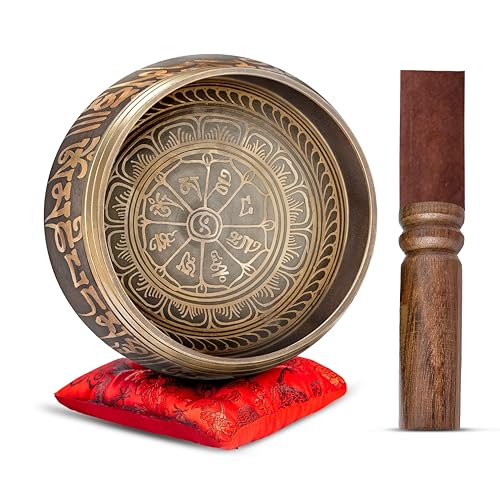
This Tibetan Singing Bowl Set provides clear tones suitable for meditation and chakra sound healing sessions.
See it on Amazon →Modern Additions to Chakra Healing Music
- Binaural beats use two close frequencies to create a perceived third tone, claimed to enhance relaxation and chakra balancing
- Nature sounds, such as running water or birdsong, are often layered with chakra tones to deepen calm and presence
How to Identify Which Chakra Needs Healing
You can identify which chakra needs healing by observing specific physical symptoms and emotional patterns linked to each energy centre. Each chakra corresponds to certain body areas and feelings, so recognising these signs helps target your sound healing effectively.
- Muladhara (root chakra): Lower back pain, fatigue, anxiety, feeling ungrounded or insecure.
- Svadhisthana (sacral chakra): Lower abdominal discomfort, sexual dysfunction, emotional instability, difficulty expressing creativity.
- Manipura (solar plexus chakra): Digestive issues, low self-esteem, anger, lack of motivation.
- Anahata (heart chakra): Chest tightness, respiratory problems, difficulty in relationships, feelings of loneliness.
- Vishuddha (throat chakra): Sore throat, thyroid imbalance, difficulty speaking truth, fear of expressing oneself.
- Ajna (third eye chakra): Headaches, vision problems, confusion, lack of intuition.
- Sahasrara (crown chakra): Head pressure, depression, disconnection from purpose, spiritual emptiness.
Meditation and body awareness are practical methods to sense chakra imbalances. Sit quietly and scan your body from base to crown, noticing areas of tension, numbness or emotional blockage. Pay attention to recurring thoughts or feelings linked to the chakras’ themes.
Your intuition also guides which chakras need attention. If a particular seed sound, tone or instrument draws your focus or feels soothing, it often indicates a chakra to work with.
Avoid Over-Focusing
Do not assume every discomfort relates to chakra imbalance. Physical symptoms may have medical causes. Use chakra signs as a complementary tool, not a diagnostic substitute. Avoid over-focusing on one chakra; balancing adjacent chakras often helps.
Step-by-Step Routine for Chakra Sound Healing
- Begin with Root Chakra GroundingSit comfortably with feet flat on the floor. Play the root chakra tone or sound, focusing on stability and security for 5 minutes.
- Move Upward Through ChakrasProgress through each chakra in order—sacral, solar plexus, heart, throat, third eye, crown—spending about 3 to 5 minutes on each. Use corresponding seed sounds, vowels or frequencies.
- Allow Silent IntegrationAfter each chakra session, pause for 1 to 2 minutes in silence to let the vibrations settle and notice any sensations or thoughts.
- Maintain Comfortable Volume and PostureKeep sound levels moderate to avoid overstimulation. Sit with a straight spine and relaxed shoulders to support breath and focus.
- End with Crown Chakra and RestComplete the session with the crown chakra sound for 5 minutes, then rest quietly for 5 to 10 minutes before resuming activity.
Time Recommendations
Sessions typically last 30 to 45 minutes, suitable for beginners and intermediate practitioners. Adjust time per chakra based on personal needs and sensitivity.
The Premium Tibetan Singing Bowl Set offers clear tones ideal for grounding with the root chakra and progressing through each energy centre during your session.
See it on Amazon →This sequence matches traditional chakra order, promoting systematic balance. Silent pauses help integrate sound effects, preventing overwhelm. Regular practice builds awareness and supports emotional release.
For longer sessions, repeat the cycle or extend time on chakras needing extra attention. Beginners should start with shorter durations and gradually increase as comfort grows.
Combining sound healing with breathwork or meditation deepens focus. Breathe slowly and evenly throughout to enhance the calming effects.
This routine guides the use of chakra music clearly and accessibly, meeting the needs of those searching for music for chakra alignment for beginners or longer chakra balancing tracks.
Scientific Evidence and Limitations of Chakra Sound Healing
Scientific research on sound frequencies shows they can influence brainwaves and promote relaxation. Studies reveal that certain tones encourage alpha and theta brainwave states, which correlate with calmness and meditation. However, these effects focus on general wellbeing rather than specific chakra alignment.
There is no scientific proof that playing specific frequencies or sounds cures physical or emotional conditions by directly affecting chakras. Claims that Solfeggio frequencies or seed sounds alone can heal organs or diseases lack rigorous evidence. The benefits reported are mainly relaxation, reduced stress, and emotional support.
Misconceptions
Sound healing should not replace medical treatment. Overstimulation by loud or prolonged exposure to certain frequencies can cause discomfort or anxiety. People with hearing issues or neurological conditions should seek professional advice before practising sound therapy.
The placebo effect and personal belief also play roles. Listening to music tuned to chakra frequencies can create a focused, soothing environment that helps emotional release. Such effects depend on individual response and context rather than an intrinsic physical mechanism tied to chakras.
While scientific studies on binaural beats and meditation music support their calming effects, these do not confirm chakra-specific outcomes. Sound therapy complements relaxation techniques rather than acting as a standalone cure. Users should combine sound healing with other wellness practices and professional guidance when addressing health issues.
Choosing the Best Instruments and Music for Chakra Healing
Tibetan singing bowls produce rich harmonic overtones with a sustained, deep resonance. Their sound qualities suit grounding chakras like Muladhara (root) and Svadhisthana (sacral). Crystal bowls, made from quartz, emit clear, bright tones that align well with higher chakras such as Ajna (third eye) and Sahasrara (crown).
Binaural beats use slightly different frequencies in each ear to influence brainwave states gently. They support meditation and mental focus but require headphones for effect. Chanting seed sounds or bija mantras adds vocal vibration that some practitioners find effective for tuning specific chakras, especially Vishuddha (throat) and Manipura (solar plexus).
Suitable Instruments
- Tibetan singing bowls offer deep, calming resonance ideal for meditation and chakra grounding.
- Crystal bowls produce clear, pure tones that enhance focus on higher chakras.
- Binaural beats encourage relaxed brainwave states helpful for general chakra balancing.
- Chanting provides active engagement and vibrational tuning to specific chakras.
When to Avoid
- Tibetan bowls may be too low or resonant for sensitive listeners.
- Crystal bowls sound bright and can be overwhelming in small spaces.
- Binaural beats require headphones and may cause discomfort if overused.
- Chanting needs practice to avoid strain and must be done at a comfortable volume.
Match instruments to chakra tones for best results: use lower-pitched bowls for root and sacral chakras, mid-range tones for solar plexus and heart, and higher-pitched crystal bowls for throat, third eye, and crown chakras. Adjust volume and duration to avoid overstimulation, especially for beginners or sensitive listeners.
This Tibetan Singing Bowl Set produces calming resonance that supports grounding and focus during chakra sound healing sessions.
See it on Amazon →Common Myths About Chakra Sound Healing
| Commonly claimed | Actually |
|---|---|
| Solfeggio frequencies can cure physical or emotional conditions | Solfeggio frequencies are said to support emotional themes linked to chakras, but there is no scientific proof they cure any condition. This claim likely spread from popular interpretations of sound therapy. |
| There is a single correct system of seed sounds or vowel sounds for chakras | Different traditions use varied seed sounds, and effectiveness depends on personal resonance. The idea of one fixed system is a modern simplification. |
| Chakras are physical organs visible in the body | Chakras are experiential maps of the subtle body, not physical organs. This confusion may arise because they align along the spine and relate to physical areas. |
| Chakra healing music requires special training to be effective | Many practitioners report benefits from listening to specific tracks or tones without formal training. Accessibility is a reason this belief has been challenged. |
| Overactive chakras should be stimulated more with sound | Popular belief advises balancing overactive chakras by working on the chakra above them instead of direct stimulation, to avoid imbalance. |
Frequently Asked Questions
Related Reading
- Sound Healing for Chakras — Complete guide to vibrational balance
- Free Chakra Music — Access free tracks for chakra sound healing
- How To Heal Your Chakras — Simple guide to chakra healing basics
- Best Chakra Balancing Music — Evidence-based music recommendations
Sources
- Music For The 7 Chakras: Guide to Chakra Healing with Sound • Nomads With A Purpose — Traditional and popular chakra sound healing practices
- Chakra Healing with Sound: A Complete Guide — Seed sounds and emotional associations
- Chakra Healing with Sound: Complete Guide to Energetic Balance — Chakra definitions and sound healing methods
- Chakra Healing Music: How It Works + 7 Chakra Frequencies Explained – Energy Healing and Sound Healing Therapy – Healing Courses Online — Modern sound healing instruments and frequencies

This guide covers traditional and modern sound healing for chakras; it does not address medical conditions, for which consultation with a qualified professional is advised. As an Amazon Associate, Chakra Serenity earns from qualifying purchases. Prices and availability change, so check the listing before you buy.