Gong Resonance: Healing the Chakras
Complete guide to using gong vibrations for chakra balance and wellbeing
Gong resonance supports healing the chakras by using sound vibrations to clear blockages and balance energy centres. These vibrations promote relaxation, emotional release, and deeper meditation. Regular practice with gongs can align the chakras and enhance physical and mental wellbeing.
Many seek ways to balance their chakras beyond meditation alone. Gong resonance offers a method that combines sound vibration with energy work, promising deeper shifts.
Common explanations often overstate the scientific proof or confuse traditional chakra concepts with modern sound healing practices. This guide separates established facts from popular beliefs.
It answers how gong resonance relates to chakras, how to practise gong therapy for chakra healing, and what benefits can be realistically expected.
Recommended Reading on Chakra Healing
A detailed book to deepen your understanding of chakra alignment and balance Links go to Amazon and earn this site a small commission at no extra cost to you.
Chakra Petal Healing
This book offers a thorough approach to energy alignment and five-element balance, enhancing your practice with detailed explanations and exercises.
Skip it if: Skip if you prefer shorter or more introductory texts.
Gong Resonance: Healing the Chakras
Gong resonance in healing uses the vibrations produced by a gong to interact with the body’s chakra system, promoting balance and clearing blockages. These sound waves create physical and subtle effects that support the chakras, the energy centres traditionally described in Indian philosophy.
When a gong is struck, it emits complex vibrations that move through the air and the body. Each chakra is believed to respond to specific frequencies or tones, which can be matched or approximated by particular gong sounds. This resonance encourages the chakras to vibrate more freely, removing stagnation and restoring their natural rhythm.
The link between gong tones and chakras is based on the idea that each chakra corresponds to a frequency range within the audible spectrum. While exact scientific correlation is limited, many practitioners select gongs or strike patterns to target these ranges. For example, lower tones might relate to the root chakra, while higher pitches correspond to the crown chakra.
Humans can also produce vocal sounds that resonate with chakras. Chanting or humming at certain pitches aligns the body’s vibrations with chakra frequencies, enhancing the gong’s effects. This human resonance helps deepen the connection to each energy centre during sound healing sessions.
The benefits of gong resonance for chakra balance include increased relaxation, emotional release, and a sense of centredness. These arise as the chakras return to a freer state of vibration, which some experience as improved mental clarity, reduced tension, and a feeling of energetic alignment.
Gong resonance uses sound vibrations to stimulate chakra energy centres, promoting balance and openness. Humans can hum in tune with chakras to enhance this effect.
How Gong Therapy Supports Relaxation and Stress Relief
Gong therapy promotes relaxation by encouraging brainwave entrainment, where the brain’s activity slows to calmer frequencies such as alpha and theta waves. The gong’s sustained tones and shifting harmonics help guide this process.
Physical sensations during gong therapy vary but often include feelings of heaviness, warmth, or tingling, especially in areas associated with the chakras. These sensations reflect the body’s response to the sound vibrations and the release of muscular or emotional tension.
Stress relief occurs as gong sounds facilitate smoother energy flow through the chakras. Blocked or stagnant energy can contribute to physical and emotional stress, so restoring flow helps reduce these symptoms. The calming effect on the nervous system also supports this process.
Many participants report improved mental clarity after gong therapy sessions. This arises from the combined effect of deep relaxation and the clearing of energetic congestion around the chakras, allowing clearer focus and emotional balance.
Gong therapy helps the brain relax and the body release tension through sound vibrations. This supports chakra energy flow, reducing stress and improving mental clarity.
For readers interested in chakra health, How To Heal Your Chakras | A Simple Guide offers practical methods that complement gong therapy.
The Seven Chakras and Their Healing Properties
The seven chakras are energy centres running along the spine, each linked to physical, emotional and spiritual functions. They are named Muladhara (root), Svadhishthana (sacral), Manipura (solar plexus), Anahata (heart), Vishuddha (throat), Ajna (third eye), and Sahasrara (crown). Each chakra governs specific qualities and imbalances can affect wellbeing in distinct ways.
The seven chakras from root to crown with Sanskrit names
Muladhara, the root chakra, relates to survival, stability and grounding. Its colour is traditionally red. Blockages here may cause anxiety, fatigue or physical issues in the legs and lower back.
Svadhishthana, the sacral chakra, governs creativity, relationships and pleasure. Orange is its associated colour. Imbalance can lead to emotional instability, fear of change or reproductive problems.
Manipura, the solar plexus chakra, corresponds to personal power, confidence and digestion. Its colour is yellow. Symptoms of imbalance include low self-esteem, digestive issues and difficulty making decisions.
Anahata, the heart chakra, links to love, compassion and healing. Traditional colour is green. When blocked, one might feel loneliness, resentment or heart-related health problems.
Vishuddha, the throat chakra, controls communication and self-expression. Blue represents this chakra. Imbalances may show as difficulty speaking, throat ailments, or social withdrawal.
Ajna, the third eye chakra, is connected to intuition, insight and mental clarity. Indigo is its traditional colour. Blockage here can cause headaches, poor concentration or lack of direction.
Sahasrara, the crown chakra, represents spiritual connection and consciousness. Its colour is violet or white. Imbalance may result in feelings of disconnection, confusion or depression.
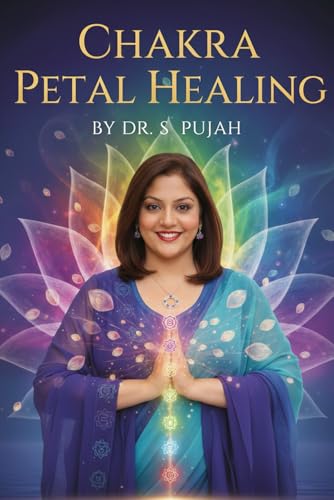
This guide offers detailed insights and exercises to recognise and balance each chakra’s qualities and symptoms.
See it on Amazon →Using Gongs to Balance and Activate Chakras
Gong sessions for chakra healing typically take place in a quiet, comfortable space where the listener can relax fully. The gong player uses a variety of mallets to produce rich, complex tones that resonate over the body and chakra points.
The vibrations from the gong penetrate physical and subtle layers, helping to break up energetic blockages. The shifting frequencies encourage stagnant areas within chakras to release tension and restore flow.
Practitioners often combine gong sound with focused chakra meditation. By directing attention to each chakra during the gong’s evolving tones, listeners can deepen awareness and support subtle activation.
Effective gong chakra work follows a protocol: start by grounding the listener, then move sequentially through the chakras from root to crown, spending time on each. The gong’s sound waves are modulated to correspond loosely with chakra frequencies as understood in sound therapy, enhancing resonance.
Sessions end with a period of silence or soft ambient sound to allow integration. Repeating gong sessions over weeks can gradually improve chakra balance and emotional release.
This approach is distinct from general gong baths. It requires intention, knowledge of chakra locations, and skilful gong playing to tune the experience to chakra healing rather than only relaxation.
Gong Baths: Immersion in Sound for Energy Clearing
A gong bath is a sound healing session where participants sit or lie comfortably while a gong is played continuously. The vibrations fill the space, surrounding the listener with rich, resonant tones that shift in intensity and frequency.
During a gong bath, the participant usually relaxes in a quiet, dimly lit room, often on a mat or cushion. Eyes may be closed to deepen focus on the sound. The gong’s vibrations gently stimulate the nervous system, encouraging deep relaxation that can slow the breath and heart rate.
The vibrations produced by the gong interact with the body on multiple levels. Physically, they can ease muscle tension and promote a sense of spaciousness in the body. Emotionally, many listeners report release of stored feelings such as stress or sadness, as the sound waves seem to dissolve blockages within the subtle energy field.
This clearing of energy pathways aligns with traditional views of the chakra system, where blockages can cause discomfort or imbalance. Gong baths create an environment conducive to this cleansing process, supporting the natural flow of energy across the chakras.
Regular gong baths may enhance emotional wellbeing by reducing anxiety and fostering calm. The immersive soundscape also aids meditation, helping to quiet the mind and increase present-moment awareness. Some participants find their sleep improves after sessions, though individual experiences vary.
Gong baths are not a substitute for medical treatment but can be a complementary practice for those seeking relaxation and energetic balance. Their combination of sound, vibration and silence provides a powerful sensory experience that supports emotional release and energy clearing.
Chakra Meditation Enhanced by Gong Vibrations
Combining gong resonance with chakra meditation enhances focus and deepens the experience of balancing energy centres. The gong’s sustained tones create a sonic environment that supports concentration on each chakra in turn.
To practise, begin by sitting comfortably with your spine straight. Close your eyes and take several slow breaths to settle. As the gong sound begins, bring attention to the first chakra at the base of the spine. Visualise its colour and location while tuning into the gong’s vibrations.
Allow your awareness to move sequentially upward through each chakra, spending a few minutes on each. You may use guided meditation cues or silently name the chakra while feeling the gong’s resonance stimulating that area. This combination helps clear energetic blockages and promotes a sense of alignment.
Physically, the gong vibrations can relax tense muscles linked to chakra imbalances. Mentally, the sound supports a meditative state, reducing distracting thoughts and enhancing emotional clarity. Practitioners often experience improved mood, reduced stress and a stronger mind-body connection.
For best results, practise this combined meditation two to three times per week. Beginners should start with sessions of 10 to 15 minutes, gradually increasing duration as comfort grows. Using headphones or attending a live gong meditation can improve the clarity of vibrations.
This practice complements other chakra balancing methods and can fit easily into a regular meditation routine. It offers a practical way to harness gong resonance for holistic chakra healing and wellbeing.
Common Claims and Actual Facts About Gong and Chakra Healing
| Commonly claimed | Actually |
|---|---|
| Specific gong sounds correspond exactly to each chakra. | No ancient texts specify precise gong tones for each chakra; this idea arises from modern sound healing practices linking tone frequencies to chakras. |
| Humans can hum in resonance with all chakras. | While humming affects vocal resonance and body vibration, there is no evidence humans can match all chakra frequencies exactly; this belief is part of modern meditation traditions. |
| Gong baths alone can permanently heal chakra imbalances. | Gong baths promote relaxation and may support chakra balance temporarily, but lasting healing usually involves additional practices and lifestyle changes. |
| Gong vibrations are scientifically proven to heal chakras. | Scientific studies show gong sounds can reduce stress and influence brainwaves, but there is no scientific proof that they heal chakras, which are metaphysical concepts. |
| Gong resonance can replace other chakra healing methods. | Gong resonance is a complementary tool and does not substitute practices like meditation, breathwork or professional therapy for wellbeing. |
Frequently Asked Questions
Related Reading
- What is Chakra Healing? Learn the basics of chakra healing and how it can help you. — Introduction to chakra healing principles
- What Are Chakras? The Complete Guide to Energy Centres — Detailed chakra descriptions and functions
- Chakra Healing Movements: 7 Powerful Techniques to Balance Energy — Physical exercises for chakra balance
- Which Gemstones Transform Your Chakra Energy? Explore Our Top Picks — Crystals linked to chakra healing

Focuses on sound healing and chakra balancing as complementary practices, not medical treatment advice. As an Amazon Associate, Chakra Serenity earns from qualifying purchases. Prices and availability change, so check the listing before you buy.