Unlock Your Chakras with Solfeggio Frequencies
A clear, practical guide on using sound frequencies to balance the seven chakras
Solfeggio frequencies are specific sound tones that correspond to the seven chakras and help balance them through sound healing. Each frequency targets a chakra’s unique vibration, aiding emotional release and energetic flow. Using these tones in meditation or sound therapy supports relaxation and mental clarity.
Many seek to balance chakras using sound but find confusing or inaccurate explanations online.
Solfeggio frequencies are often linked to chakras without clear evidence or guidance on practical use.
This guide clarifies the relationship between Solfeggio frequencies and chakras, explains their origins, and shows how to use them effectively.
Recommended Sound Healing Tools
Tools designed to create peaceful sound environments for chakra meditation and healing Links go to Amazon and earn this site a small commission at no extra cost to you.
Premium Tibetan Singing Bowl Set
This handmade bowl produces calming tones ideal for supporting chakra meditation and sound healing practices. Its quality craftsmanship ensures lasting use in your wellness space.
Skip it if: Skip it if you prefer electronic sound tools or need multiple frequency tones in one device.
Unlock Your Chakras with Solfeggio Frequencies
Solfeggio frequencies are a set of specific sound tones historically used in Gregorian chants, now linked to balancing the seven chakras—the main energy centres of the body. Each frequency corresponds to a chakra, supporting its function by resonating with its unique vibrational pattern.
The seven main chakras are the root (Muladhara), sacral (Svadhisthana), solar plexus (Manipura), heart (Anahata), throat (Vishuddha), third eye (Ajna), and crown (Sahasrara). Each has a traditional colour: red, orange, yellow, green, blue, indigo, and violet respectively.
| Chakra | Sanskrit Name | Colour | Solfeggio Frequency (Hz) | Common Benefits |
|---|---|---|---|---|
| Root | Muladhara | #B5473A | 396 | Grounding, security |
| Sacral | Svadhisthana | #D2762F | 417 | Creativity, emotional release |
| Solar Plexus | Manipura | #C9A227 | 528 | Confidence, transformation |
| Heart | Anahata | #4B8B5C | 639 | Love, connection |
| Throat | Vishuddha | #3B7EA1 | 741 | Communication, expression |
| Third Eye | Ajna | #43408A | 852 | Intuition, insight |
| Crown | Sahasrara | #7A5AA6 | 963 | Spiritual connection |
Sound interacts with the body by producing vibrations that can influence physical structures and mental states. When Solfeggio tones are played, they stimulate the chakras’ frequencies, encouraging emotional release and improved energetic flow.
The seven chakras aligned vertically with their Solfeggio frequencies and Sanskrit names.
Solfeggio frequencies match each of the seven chakras by their specific sound tone, affecting the body through vibration and resonance to support balance.
How Solfeggio Frequencies Affect the Body and Chakras
Solfeggio frequencies influence the body and chakras mainly through vagus nerve stimulation and brainwave entrainment. The vagus nerve connects the brain to the body’s organs and responds to sound vibrations, which can promote relaxation and reduce stress.
Brainwave entrainment occurs when the brain synchronises its electrical activity to the rhythm of an external sound. Listening to Solfeggio tones can gently guide the brain into states associated with calmness or alertness, aligning emotional and physical responses.
Schumann Resonance
The Schumann Resonance is a natural electromagnetic frequency of the Earth’s atmosphere, around 7.83 Hz. While not a Solfeggio frequency, it is often mentioned in sound healing as a baseline for natural resonance, helping to ground the body’s rhythms.
Modern sound healing practices connect specific frequencies with emotional and physical effects, though these links are largely based on contemporary observation rather than ancient texts. Traditional sources do not specify Solfeggio tones related to chakras; this pairing is a modern development.
Scientific Evidence
There is no conclusive scientific proof that Solfeggio frequencies cure or treat medical conditions. Studies show sound can affect brainwaves and mood, but claims about chakra-specific healing remain unverified.
Listening to chakra frequencies music can support relaxation and focus, which may indirectly improve wellbeing. For example, the 396 Hz frequency is often used to address the root chakra (Muladhara), promoting feelings of safety and grounding.
Understanding the origin of chakra frequencies clarifies that they are a contemporary practice combining traditional chakra concepts with modern sound therapy techniques.
For those interested in the specific tones for each chakra, The Frequencies Of The 7 Chakras offers detailed frequency lists and practical applications.
Using Solfeggio Frequencies to Balance Each Chakra
To balance each chakra using Solfeggio frequencies, select the specific tone that corresponds to the chakra you want to work on. For example, the root chakra (Muladhara) aligns with 396 Hz, which helps release fear and ground energy.
- Prepare Your SpaceChoose a quiet, comfortable environment with minimal distractions. Use soft lighting or natural light to enhance relaxation.
- Start with Deep BreathingSit comfortably with your spine straight. Take slow, deep breaths to centre your focus.
- Play the FrequencyUse a recording or instrument that produces the target frequency. Play the sound at a moderate volume, avoiding loudness that causes discomfort.
- Combine with Meditation or YogaFocus your attention on the chakra’s location while listening. You may include gentle yoga poses that activate that chakra.
- Use Corresponding Crystals or ColoursHold or place crystals related to the chakra nearby. Visualise the chakra colour to deepen the effect.
- Notice SensationsPay attention to warmth, tingling, or emotional shifts. These can indicate the chakra responding to the frequency.
Avoid Overexposure
Limit sessions to 15-20 minutes to prevent ear fatigue or overstimulation.
Many find it helpful to use music that combines all chakra frequencies in sequence for a full balancing session. These tracks often last 30 to 60 minutes and can be played during meditation or relaxation.
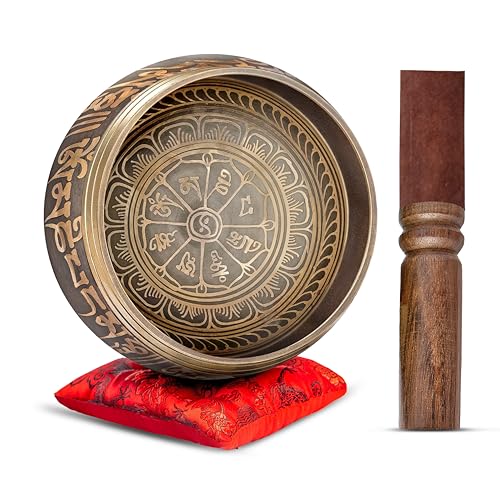
This Premium Tibetan Singing Bowl Set produces calming tones that support focused listening and mindfulness during frequency sessions.
See it on Amazon →Combining Solfeggio Frequencies with Other Healing Modalities
Solfeggio frequencies work well alongside other healing practices to enhance chakra balancing. Pairing sound with scent, movement, and visualisation creates a layered effect that deepens the experience.
- Use essential oils that match each chakra’s qualities. For example, frankincense suits the crown chakra for clarity and spiritual connection, while damask rose supports the heart chakra with emotional openness.
- Incorporate yoga poses targeting specific chakras. For the sacral chakra, hip-opening poses like pigeon pose help release tension.
- Chant mantras tuned to the frequency of the chakra to synchronise sound vibrations with the body’s own resonance.
- Visualise the chakra’s colour during sound sessions to engage the mind and enhance focus. This can be done with eyes closed or by looking at coloured objects.
Frankincense and damask rose essential oils differ in their chakra associations and benefits. Frankincense’s woody, resinous scent corresponds to the crown chakra, promoting calm and spiritual awareness. Damask rose, with its floral aroma, aligns with the heart chakra, encouraging emotional balance and compassion. Using these oils alongside their respective Solfeggio frequencies can support a more comprehensive healing session.
Common Misconceptions About Solfeggio Frequencies and Chakras
Solfeggio frequencies are a modern rediscovery, not an ancient Indian tradition. These tones first appeared in medieval Gregorian chants and were only linked to chakras in the 20th century. The idea that Solfeggio frequencies come from classical Indian texts or yoga is a misconception.
Chakra colours and frequency associations vary widely by tradition. The popular rainbow colours and specific sound notes tied to each chakra are primarily Western inventions from the 20th century. Classical Indian sources describe different numbers of chakras and do not assign fixed colours or frequencies.
Claims that sound frequencies, including Solfeggio tones, can cure medical or psychological conditions lack scientific support. These practices may aid relaxation or focus but do not replace qualified medical treatment. Recognising this distinction prevents unrealistic expectations.
The scientific basis for Solfeggio frequencies affecting the body mainly involves vagus nerve stimulation and brainwave entrainment, not mystical energy shifts. Many spiritual beliefs about chakras and sound healing are based on personal experience or tradition rather than documented research.
Some frequency associations widely shared online, such as 432 Hz being universally healing or linked to the heart chakra, are not supported by historical or scientific evidence. These claims stem from modern popular culture and should be treated as belief rather than fact.
Useful to Know
- Solfeggio frequencies have historical roots in Gregorian chant, providing a clear origin.
- Modern chakra frequency assignments help practitioners focus meditation and sound work.
- Sound-based practices can support relaxation and mental clarity as complementary techniques.
Common Misunderstandings
- They are not part of ancient Indian chakra systems or classical yoga texts.
- Chakra colours and frequencies differ by source and are not fixed truths.
- No scientific proof exists that these frequencies cure diseases or psychological issues.
Common Claims Versus Documented Facts About Chakra Frequencies
| Commonly claimed | Actually |
|---|---|
| Solfeggio frequencies are an ancient Indian tradition directly linked to chakras | Solfeggio frequencies come from medieval European chants; their chakra association is modern and Western. |
| Listening once to a Solfeggio tone will unblock a chakra immediately | Chakra balancing through sound requires regular practice; quick fixes are unsupported by tradition or evidence. |
| Each chakra has a precise, fixed frequency that heals it | Different sources assign varying frequencies; the fixed seven-frequency system is a modern framework. |
| Scientific research proves Solfeggio frequencies heal chakras and cure ailments | There is no scientific evidence confirming chakra healing or medical cure by these frequencies. |
| Solfeggio frequencies alone suffice for complete chakra healing | They work best when combined with meditation, breathwork or other holistic practices. |
Frequently Asked Questions
Related Reading
- What Are Chakras? The Complete Guide to Energy Centres — Detailed overview of chakra origins and meanings
- Chakra Frequencies And Notes: Unlock Your Inner Healing Power — Explains various chakra frequency systems
- How to Unlock Your Heart Chakra and Find Love, Healing, and Joy — Focused guidance on heart chakra meditation
- 7 Chakra Frequencies: What They Are & How To Balance Them — Practical balancing techniques by frequency

This article covers sound healing for chakras and does not address medical or psychological treatment; consult qualified professionals for health concerns. As an Amazon Associate, Chakra Serenity earns from qualifying purchases. Prices and availability change, so check the listing before you buy.