Best Essential Oils for Root Chakra: Top Picks for Grounding and Balance
Clear, practical guide to essential oils for grounding and emotional stability
The best essential oils for root chakra balance include cedarwood, patchouli, vetiver, sandalwood, and frankincense. Use them diluted with a carrier oil and apply to the base of the spine or feet for grounding and emotional stability.
Many seek essential oils to balance the root chakra, the energy centre linked to grounding and security. However, much of the available information mixes tradition, modern marketing, and incomplete advice.
Readers often ask which oils truly support the Muladhara chakra and how to use them safely and effectively. Many guides omit safety cautions or quality criteria, leading to misuse or disappointment.
This guide clarifies the best essential oils for the root chakra, explains how to select and apply them properly, and separates documented facts from popular belief.
Recommended Essential Oils for Root Chakra
Select blends and single oils designed to support grounding and balance Links go to Amazon and earn this site a small commission at no extra cost to you.
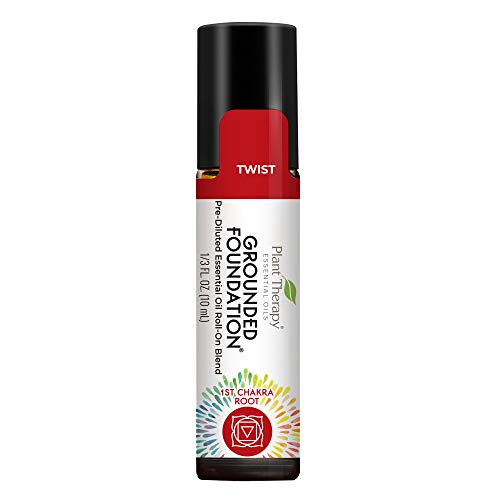
The Goddess of Flame Grounding Roll-On Oil
This blend combines earthy essential oils known for root chakra support in a convenient roll-on for easy topical application. It suits those practising meditation or energy work who need a portable, ready-to-use product.
Skip it if: Skip it if you prefer to blend your own oils or want a larger bottle.
Best Essential Oils for Root Chakra: Top Picks for Grounding and Balance
The best essential oils for the root chakra include cedarwood, patchouli, vetiver, sandalwood, and frankincense. These oils support grounding and emotional stability when diluted with a carrier oil and applied to the base of the spine, feet, or wrists.
Cedarwood has a warm, woody scent traditionally linked to calming anger and nervous tension. Patchouli offers an earthy aroma used to stabilise the root chakra and reduce fear. Vetiver features a smoky, earthy fragrance that calms an overactive mind. Sandalwood provides a smooth, woody scent often used in root chakra practices for grounding. Frankincense has a resinous, slightly citrusy aroma promoting calm and spiritual presence.
Dilution is essential. Mix essential oils with a carrier oil, such as jojoba or sweet almond, at a ratio of about 2-3% for topical use. This means roughly 6 to 9 drops of essential oil per 30ml of carrier. Applying undiluted oils can cause skin irritation or sensitisation.
Common application points for root chakra balance include the soles of the feet, the lower spine at the base, the stomach area, and the wrists. These spots are close to the body’s grounding zones and absorb the oils effectively. Some people add a few drops to a warm bath for a full-body experience.
Moderation and Sensitivity
Excessive use of these oils may lead to headaches or skin sensitivity. Patchouli and cedarwood, in particular, can cause reactions in sensitive individuals. Always perform a patch test first and avoid overuse.

The Goddess of Flame Grounding Roll-On Oil offers a convenient blend of earthy essential oils pre-diluted for safe topical application, ideal for daily rituals or meditation.
See it on Amazon →The root chakra (Muladhara) is located at the base of the spine and linked to grounding.
How to Select High-Quality Essential Oils for Root Chakra Work
Choosing 100% pure, therapeutic-grade essential oils is crucial for effective root chakra aromatherapy. Pure oils contain the full range of natural compounds that support their traditional roles, while adulterated products may lack potency and pose safety risks.
Common adulteration involves diluting oils with cheaper substances or synthetic fragrances. This reduces effectiveness and can cause unexpected skin reactions. Some oils labelled as ‘therapeutic grade’ have no formal certification, so label scrutiny is vital.
- Look for Latin botanical names to confirm plant species.
- Check for organic or wildcrafted sourcing, which suggests fewer contaminants.
- Review third-party testing, such as GC-MS reports, which verify chemical composition.
- Avoid vague descriptions like ‘fragrance oil’ or ‘perfume grade’.
Trusted brands often provide transparent sourcing and testing information. Formats such as roll-ons or pre-blended oils ensure correct dilution and ease of use. For beginners, these products reduce the risk of misuse and offer consistent results.
Store essential oils in dark glass bottles, away from heat and sunlight, to preserve their properties. Exposure can degrade the oil and alter its scent and effectiveness.
For an overview of quality chakra essential oils and recommended brands, see Best Essential Oils for Chakra Balancing: Top 7 Aromatherapy Blends.
Safety Considerations When Using Essential Oils for Root Chakra
Dilution is essential when using essential oils for the root chakra to avoid skin irritation and other adverse reactions. Standard dilution ratios range from 1% (1 drop of essential oil per 5 ml of carrier oil) for sensitive skin or children, up to 3% for adults using oils on larger areas.
Patchouli and cedarwood oils are known to cause skin sensitivity or headaches in some individuals. Always perform a patch test by applying a diluted drop to a small skin area and waiting 24 hours for any reaction.
Children and pregnant women require extra caution. Oils like vetiver and sandalwood are generally safer for children, but consult a healthcare professional before use. Some essential oils may interact with medications, especially blood thinners or hormone therapies, so check with a qualified practitioner if you have medical conditions.
Avoid Medical Claims
Essential oils are used for emotional and spiritual support related to the root chakra but have no scientific evidence for curing or treating physical or psychological conditions. Claims stating otherwise are unsupported.
For those seeking essential oils safely for children, vetiver and sandalwood are preferable due to their mild profiles. Avoid stronger oils like black pepper or clary sage in young or sensitive users.
Contraindications with medications remain a risk. For example, frankincense may affect blood clotting. Always disclose essential oil use to healthcare providers to prevent interactions.
Precise Methods to Apply Essential Oils for Root Chakra Balance
- Dilute the OilMix 1 to 3 drops of essential oil with 5 ml of a carrier oil such as jojoba or sweet almond oil.
- Apply to Pulse PointsGently rub the diluted oil onto wrists and the inside of elbows to promote grounding.
- Massage the Base of the SpineUse circular motions at the Muladhara chakra, located at the base of the spine, to stimulate balance.
- Rub on Soles of the FeetThe feet absorb oils well and support whole-body grounding when applied here.
- Use Diffusers and BathsAdd a few drops to a diffuser or a warm bath, ensuring proper ventilation and skin dilution to avoid irritation.
Apply essential oils up to twice daily. Excessive use can cause headaches or sensitivity. Fifteen minutes of topical application or diffuser use complements grounding practices without overwhelming the senses.
Combining essential oil use with meditation, yoga, or Reiki enhances emotional balance. For example, focus on the root chakra while inhaling cedarwood or vetiver to deepen presence.
Notice sensations such as warmth, calmness, or a subtle earthy aroma. These may indicate a balanced root chakra. Avoid discomfort or irritation, which signals the need to adjust dilution or discontinue use.
To balance the root and sacral chakras together, blend grounding oils like patchouli with sweeter scents such as clary sage, mindful to dilute all oils properly.
Essential oils for chakra balancing work best with consistent, mindful application rather than quick fixes. Regular practice supports emotional stability and spiritual presence.
Historical and Cultural Origins of Essential Oils Linked to the Root Chakra
The classical chakra system originates from early Indian texts such as the Yoga Upanishads and tantric scriptures, where chakras appear as energy centres but without any mention of essential oils. These texts describe chakras in terms of subtle anatomy and spiritual practice rather than physical substances like oils or herbs.
Modern aromatherapy’s connection of specific essential oils to chakras is a recent development, dating mainly from the 20th century. Western teachers and practitioners paired oils with chakras based on the oils’ traditional uses, scents, and reported psychological effects rather than any direct historical link.
Some essential oils associated with the root chakra, such as cedarwood, sandalwood, and frankincense, have longstanding roles in Indian rituals and spiritual ceremonies. Sandalwood, for example, is prized in Hindu worship for its fragrance and calming properties. Frankincense and myrrh appear in ancient trade and ritual contexts, valued for their aroma and preservative qualities.
The idea that these oils specifically balance the Muladhara chakra by clearing blockages or boosting energy is a modern popular belief, not documented in classical texts. Such claims often mix traditional uses with contemporary aromatherapy and spiritual marketing.
Cultural Context
Respectful use of these oils involves recognising their cultural significance in Indian traditions and avoiding appropriation or oversimplification of complex spiritual systems.
Comparing Essential Oils Effects for Different Root Chakra Imbalances
Different root chakra imbalances call for varied essential oil choices. For anxiety or nervous tension linked to the Muladhara chakra, calming oils like vetiver stand out. Vetiver’s earthy, smoky scent soothes an overactive mind and helps foster a sense of stability.
When the goal is grounding and physical vitality, oils such as cedarwood and patchouli are preferred. Cedarwood offers a warm, woody aroma that promotes relaxation and focus, while patchouli’s earthy notes are traditionally used to dispel fear and enhance emotional balance.
For those seeking to release fear or boost energy, stimulating oils like black pepper or ginger are useful. Their spicy, invigorating scents can help overcome lethargy and encourage courage. These oils contrast with calming ones and suit different stages of root chakra work.
Blends combining calming and energising oils allow tailored support. For example, mixing vetiver with ginger balances relaxation and vitality. Individual reactions to oils vary, so testing small amounts before regular use is advisable.
Complementary practices such as grounding meditation, breathwork, or physical movement support essential oil use by addressing root chakra imbalances holistically rather than relying on oils alone.
Vetiver essential oil suits those needing calming support for root chakra anxiety or nervous tension.
See it on Amazon →Storage, Dilution, and Carrier Oils for Root Chakra Essential Oils
The best carrier oils for blending with root chakra essential oils are jojoba, sweet almond, and coconut oil. Jojoba closely resembles the skin’s natural oils, making it less likely to clog pores. Sweet almond oil is light and absorbs well, ideal for regular use. Fractionated coconut oil stays liquid at room temperature, which helps in making consistent blends.
A standard dilution ratio for topical application is between 1% and 3% essential oil to carrier oil for adults. This means adding 6 to 18 drops of essential oil per 30 ml (1 fluid ounce) of carrier oil. Staying within this range reduces the risk of skin irritation while maintaining an effective aromatic experience.
Store essential oils in dark glass bottles to protect them from light, which degrades their chemical compounds. Keep them in cool, dark places away from heat sources and direct sunlight. Avoid plastic containers, as essential oils can break down plastics and cause contamination.
When mixing blends, prepare small batches to use within three to six months to preserve potency. Some carrier oils, like sweet almond, may shorten the shelf life, so refrigeration can extend freshness. Always label your blends with the date and ingredients.
Proper storage and dilution preserve the oils’ effectiveness and ensure safe use during root chakra practices. These precautions keep the aromatic and topical qualities that support grounding and emotional balance.
Common Claims About Root Chakra Essential Oils: Fact vs Fiction
| Commonly claimed | Actually |
|---|---|
| Essential oils can cure or treat physical or psychological conditions | There is no scientific evidence that essential oils cure or treat medical conditions; their use is limited to emotional or spiritual practice, which likely explains the claim’s popularity. |
| All essential oils labelled for root chakra have the same purity and efficacy | Purity varies widely among products; some oils are diluted or cut with cheaper substances, affecting both safety and effectiveness. |
| More essential oil applied leads to faster root chakra balancing | Excessive use can cause adverse effects such as headaches and skin irritation; moderation and proper dilution are necessary for safe use. |
| Essential oils unblock a physically blocked root chakra | The root chakra is a symbolic concept without physical blockage; essential oils support emotional balance but cannot affect physical blockages. |
| Essential oils are safe for everyone, including children and pregnant women | Some essential oils can cause sensitivity and may be unsafe for children or pregnant women; always consult a qualified professional before use. |
Frequently Asked Questions
Related Reading
- Essential Oils for Grounding — Top essential oils to promote grounding
- Root Chakra Grounding Techniques — Practical methods to stabilise root chakra
- Boost your Root Chakra with Essential Oils — Additional tips and blends for root chakra
- Best Essential Oils for Chakra Balancing — Top blends for all chakras
Sources
- Root Chakra Essential Oils – Scents to Feel Grounded and Secure – Loving Essential Oils — Root chakra essential oils and their uses
- Root Chakra Essential Oils for Grounding Balance — Selecting quality essential oils
- 7 Root Chakra Essential Oils + 7 Healing Blends — Common essential oils for root chakra
- 10 Essential Oils For Root Chakra – Insight state — Safety and application advice

The article covers traditional and modern uses of essential oils for the root chakra and does not address medical treatment; consult qualified professionals for health issues. As an Amazon Associate, Chakra Serenity earns from qualifying purchases. Prices and availability change, so check the listing before you buy.