How to Find Your Chakras: A Complete Energy Guide
Clear, historically grounded guidance to locate and work with your chakras
Chakras are conceptual spinning energy centres within the body described in Hindu and Buddhist texts. To find your chakras, focus attention on their traditional locations along the spine and head using meditation, breathwork, and body awareness. This guide explains their origins, meanings, and practical methods to sense them.
Many people want to find their chakras to improve wellbeing or spiritual growth, but popular descriptions often mix tradition with modern invention.
Common guides focus on the seven main chakras and assign colours and meanings that are largely 20th-century Western additions.
This causes confusion about what chakras are, how to locate them, and what practices actually relate to them.
Recommended Resource for Chakra Practice
A detailed guide for energy alignment and chakra balance Links go to Amazon and earn this site a small commission at no extra cost to you.
Chakra Petal Healing: A Complete Guide
This book offers thorough instructions on chakra recognition, balancing, and integration with five-element theory, suited to serious practitioners.
Skip it if: Skip it if you prefer shorter or less technical introductions.
How to Find Your Chakras: The Complete Method
Chakras are conceptual centres described in Hindu and Buddhist traditions as spinning wheels along the spine and head. To find your chakras, focus your attention on seven traditional sites using meditation, breathwork and body awareness techniques.
The seven main chakras run vertically from the base of the spine to the crown of the head. They are Muladhara (root chakra) at the base, Svadhisthana (sacral chakra) just below the navel, Manipura (solar plexus chakra) at the stomach, Anahata (heart chakra) in the chest, Vishuddha (throat chakra) at the throat, Ajna (third eye chakra) between the eyebrows, and Sahasrara (crown chakra) at the top of the head.
The seven main chakras along the spine and head, with traditional Sanskrit names.
Meditation helps by directing your focus to each chakra’s location, observing any physical sensations or subtle shifts in awareness. Breathwork, especially pranayama, guides your attention along the spine, often synchronising inhalation and exhalation with imagined movement or vibration at chakra sites.
Body awareness techniques involve scanning the body for warmth, tingling, pressure or lightness at chakra points. These sensations vary between individuals and may change with practice. Some people notice a subtle flow or shift of sensation moving between chakras during focused breathing or meditation.
Visualisation aids include imagining each chakra as a spinning wheel or lotus flower, sometimes incorporating colour or light. Sound can assist too; chanting bija (seed) mantras associated with each chakra can help focus attention and create a sense of resonance in those areas.
Perceiving chakras differs by person. Some sense clear energy centres quickly, while others experience vague sensations or need more practice. There is no requirement to see chakras visually; most traditional texts describe them as felt or intuited rather than seen with physical eyes.
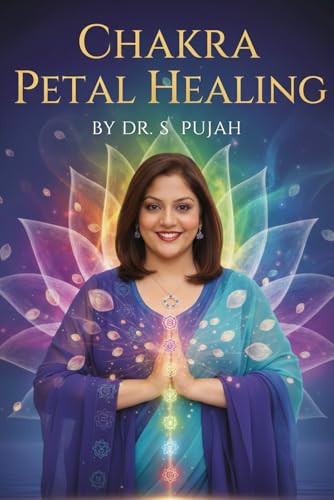
This guidebook offers detailed exercises combining meditation, breathwork and visualisation to help you locate and sense your chakras effectively.
See it on Amazon →Practices to sense chakra energy flow include sitting comfortably with the spine straight, closing the eyes, and systematically focusing on each chakra’s location. Inhale slowly while imagining energy rising from the root to the crown, then exhale while sensing it descending. Notice any changes in sensation, temperature or emotional tone as you move focus.
Regular practice builds familiarity with your own chakra sensations. Over time, you may notice a subtle energy shift between chakras during meditation or daily activities, often described as lightness, warmth, or a gentle pulsing. These experiences support deeper awareness but remain subjective and vary widely.
Finding your chakras depends on focused attention at their recognised anatomical sites, supported by meditation, breath control, body scanning and optional visualisation or sound. These methods help develop direct awareness of chakras as experiential centres rather than physical objects.
The History of Chakras and Their Classical Descriptions
The earliest references to chakras appear in medieval tantric texts rather than the Vedas, where the term chakra means “wheel” or “disc” in Sanskrit. These texts describe chakras as spinning wheels of energy that govern physical, emotional, and spiritual functions within the body.
Classical sources do not agree on the exact number or locations of chakras. Some texts describe five main chakras, while others mention more than twenty. This variation reflects different tantric and yogic traditions.
The familiar system of seven chakras aligned along the spine from the Muladhara (root chakra) at the base to the Sahasrara (crown chakra) at the head was codified in the 16th century text Sat-Cakra-Nirupana. This text provides detailed descriptions of each chakra’s location, symbolic elements, and associated bija (seed) mantras.
Hindu and Buddhist chakra traditions differ in their emphasis and details. Buddhist texts sometimes include chakra systems with different numbers and functions, often linked to specific meditation practices.
Modern Western ideas about chakras draw heavily from Theosophical and occult influences in the late 19th and early 20th centuries. These introduced new interpretations, including the rainbow colour associations and psychological meanings that are not found in the classical texts.
Common misconception
The seven-chakra system with fixed colours and traits is a modern synthesis, not an ancient, unchanged tradition.
Outside Hinduism and Buddhism, chakras have been adopted metaphorically in New Age and holistic health contexts, but these uses differ substantially from the original spiritual and symbolic meanings in classical Indian sources.
Documented fact
The Sat-Cakra-Nirupana, dated to the 16th century, is the primary classical source for the seven-chakra system still widely referenced today.
Chakra Colours and Psychological Associations: Origins and Myths
The widely known system of seven chakras each linked to a distinct colour of the rainbow is a 20th-century Western invention. Classical Indian texts do not assign standard colours to chakras.
Psychological and emotional traits associated with each chakra—such as courage for the Manipura (solar plexus chakra) or love for the Anahata (heart chakra)—are modern interpretations developed outside traditional sources.
The common chakra colour chart pairs chakras with red, orange, yellow, green, blue, indigo, and violet, reflecting the rainbow sequence. This model emerged from Theosophical writings and Western occultism, not from historical Sanskrit texts.
These colour and trait associations persist because they offer a simple, memorable framework for people exploring chakras in meditation, yoga, and holistic healing. They provide a convenient way to link physical locations with emotional experiences.
Clarification
Chakra colours and psychological meanings are not universal or historically fixed; they vary by tradition and modern adaptation.
To determine your chakra colours or meanings, consider this system as a contemporary tool rather than an ancient fact. Personal or intuitive insights can guide which colours or qualities resonate with your experience.
For detailed explanations of chakra colours and their use in practice, see Chakra Colors: A Complete Guide to Energy Healing.
Practices to Sense and Work with Chakras Safely
To clean your chakras energy and sense their flow, begin with meditation focusing on each chakra’s traditional location. Sit comfortably with your spine straight. Close your eyes and direct attention to the base of the spine for the Muladhara (root) chakra, then move upward along the spine to the Sahasrara (crown) chakra at the head. Notice sensations such as warmth, tingling, or subtle movement.
Breathwork, or pranayama, supports chakra awareness by calming the mind and increasing bodily sensitivity. Practice slow, deep breaths through the nostrils, counting inhalations and exhalations to steady your focus. Alternate nostril breathing (Nadi Shodhana) is traditional for balancing energy channels, which relate closely to chakra flow.
Mantra chanting uses bija (seed) sounds to stimulate specific chakras. For example, chanting “Lam” vibrates with the root chakra, while “Om” is linked to the crown. Repeat the chosen mantra aloud or silently, synchronising it with your breath and attention on the chakra’s position.
Yoga postures aligned with chakras enhance bodily sensations that reflect chakra states. For the root chakra, poses like Tadasana (Mountain Pose) ground you; for the heart chakra, backbends such as Bhujangasana (Cobra Pose) open the chest area. These postures support physical and emotional balance.
Sound healing tools like singing bowls or tuning forks produce vibrations that some practitioners find help clear stagnant feelings around chakras. Using a singing bowl near the heart or third eye can create a calming atmosphere that aids meditation.
Crystals and aromatherapy are common adjuncts in modern chakra practices. Crystals such as red jasper for the root chakra or amethyst for the third eye are selected for their colour and perceived resonance. Essential oils like sandalwood or lavender may accompany meditation to promote relaxation but do not replace foundational practices.
Avoid Medical Claims
No scientific evidence supports chakra work as a cure for medical or psychological conditions. These practices serve as tools for self-awareness and wellbeing, not treatment. For health issues, always consult a qualified professional.
Personal experience varies; start gradually, with five to ten minutes daily meditation or breathwork. Notice subtle physical or emotional changes without forcing sensations. Consistency in practice builds sensitivity to chakra flow over time.
This guidebook offers clear instructions on combining meditation, breathwork, and five-element balance to safely sense and align chakras.
See it on Amazon →Common Signs of Chakra Imbalance and How to Recognise Them
Signs of chakra imbalance often appear as physical, emotional, or mental symptoms linked to the chakra’s traditional functions and locations. For example, the Muladhara (root chakra) relates to feeling grounded; imbalance might cause fatigue or anxiety about security.
The Anahata (heart chakra) governs emotional openness and compassion. When blocked, it may show as difficulty in relationships or feelings of loneliness. The Ajna (third eye chakra) is associated with intuition and clarity; imbalance can bring confusion or headaches.
Recognising these signs is not a precise diagnostic tool. Symptoms overlap with many health conditions and emotional states. Chakra imbalance lists come from traditional and popular beliefs rather than clinical studies.
Symptom Limitations
Chakra symptoms are subjective and vary widely. They should not replace professional medical advice or mental health support.
Balanced chakras often correspond to feelings of stability, emotional balance, mental clarity, and physical ease in their respective body areas. Activating a chakra typically means increasing awareness or looseness in that centre through meditation or breathwork.
If you notice persistent symptoms that concern you, seek advice from a healthcare professional. Chakra work can complement but not substitute medical or psychological treatment.
Scientific Evidence and the Status of Chakra Concepts
There is no scientific evidence that chakras exist as literal energy centres within the body. The chakras are best understood as symbolic and spiritual concepts rooted in Hindu and Buddhist traditions. Scientific research has not confirmed the physical existence of chakras or measurable energy fields corresponding to them.
Meditation, breathwork, and yoga postures often associated with chakra practices do have documented health benefits. These include reduced stress, improved focus, and better emotional regulation. However, these benefits arise from the physiological and psychological effects of the practices themselves, not from manipulating chakra “energy centres”.
Claims that chakra healing, aura reading, or energy devices can diagnose or treat medical conditions lack clinical support. Authoritative health bodies, such as the US National Centre for Complementary and Integrative Health (NCCIH), classify these practices as lacking evidence and consider them pseudoscientific.
Chakra concepts originated in medieval tantric texts and were later popularised in the West with added features like the seven-chakra rainbow colour system and psychological associations. These modern adaptations do not reflect ancient or classical scientific knowledge but serve as frameworks for spiritual and personal development.
Personal experiences of sensing chakras or energy are real to practitioners but remain subjective and outside the scope of scientific validation. Distinguishing between personal or traditional belief and scientific findings is essential for understanding the status of chakra concepts today.
Common Chakra Claims Compared to Historical and Scientific Facts
| Commonly claimed | Actually |
|---|---|
| The seven chakras and their colours and psychological meanings are ancient and unchanged. | The seven-chakra model was codified in the 16th century text Sat-Cakra-Nirupana. The rainbow colours and psychological associations are modern Western additions from the 20th century, not found in classical texts. |
| Chakras are universally accepted as literal energy centres in the body. | Chakras are symbolic and spiritual concepts in Hindu and Buddhist traditions. Scientific evidence for them as literal physical energy centres is lacking, and some consider them metaphorical or esoteric. |
| Chakra healing cures physical and psychological illnesses. | No scientific studies confirm that chakra practices cure medical or psychological conditions. People use them for wellbeing and self-awareness, but they are not treatments. |
| All classical Indian texts describe the same number of chakras. | Traditional texts describe differing numbers of chakras, ranging from five to more than twenty, reflecting varied spiritual systems and purposes. |
| Meditation on chakras always requires mantra chanting and crystals. | Classical chakra meditation focuses on breath, visualisation, and body awareness. Mantras and crystals are later or modern additions and not essential in traditional practice. |
Frequently Asked Questions
Related Reading
- Find Your Balance: 5 Stones That Transform Root Chakra Energy — Crystals suited to the root chakra
- How Many Chakras Are There? The Complete Energy Guide — Explains differing chakra counts
- Powerful Ways to Clean Your Chakras and Boost Energy — Methods to cleanse chakra flow
- Chakra Colours: A Complete Guide to Energy Healing — Modern chakra colour meanings
Sources
- How to Open Your Chakras: 7 Energy Centers Activation Guide — Popular chakra practices and beliefs
- Chakras · A Complete Guide to the Seven Energy Centers — Historical and textual chakra descriptions
- What Are The 7 Chakras: A Complete Guide to Heal and Activate Them — Modern Western chakra meanings
- All 7 Chakras Explained: Complete Guide to Your Energy Centers & Chakra Healing – Nicole’s ritual universe — Common meditation and healing methods
- Chakra – Wikipedia — Documented history and scholarly overview

The article covers chakra origins, practices, and beliefs without medical advice; consult health professionals for medical concerns. As an Amazon Associate, Chakra Serenity earns from qualifying purchases. Prices and availability change, so check the listing before you buy.