How Many Chakras Are There? The Complete Energy Guide
Explaining traditional and modern chakra systems, their history, symbols, and balancing methods
The number of chakras varies by tradition, ranging from four or five in classical texts to seven in popular modern systems, and up to 114 in extended models. This guide explains their origins, functions, symbolism, and practical ways to work with them.
The number of chakras varies across traditions. Popular culture fixes on seven, but classical texts describe different totals and arrangements.
Confusion arises because the modern Western chakra system combines historical, tantric, and new age elements, sometimes mixing documented facts with beliefs.
This article clarifies historical origins, variations in chakra counts, their functions, symbols, and how to balance them with authentic context.
Recommended Chakra Guidebook
Detailed explanations and practices for chakra alignment and balance Links go to Amazon and earn this site a small commission at no extra cost to you.
Chakra Petal Healing
This book explains chakra symbolism, history, and practical methods clearly. It suits readers wanting both theory and hands-on exercises.
Skip it if: Skip it if you want only short summaries or quick tips without detailed practice.
How Many Chakras Are There? The Complete Energy Guide
The number of chakras varies widely depending on the tradition. Classical Hindu and Buddhist texts often mention fewer than seven chakras, while the best known system identifies seven main chakras aligned along the spine. Some tantric and modern systems describe many more, up to 114, reflecting a complex subtle body network.
Chakras are subtle energy centres rather than physical glands or nerves. They regulate the flow of prana, or life force, through the body’s nadis, which are channels of subtle energy. This flow influences physical, emotional, and spiritual well-being according to traditional beliefs.
| Chakra | Location | Sanskrit Name | Common Attributes |
|---|---|---|---|
| Base of spine | Muladhara | Root chakra | Grounding, survival, earth element |
| Lower abdomen | Svadhisthana | Sacral chakra | Creativity, emotion, water element |
| Solar plexus | Manipura | Solar plexus chakra | Personal power, fire element |
| Heart centre | Anahata | Heart chakra | Love, air element |
| Throat | Vishuddha | Throat chakra | Communication, ether element |
| Between eyebrows | Ajna | Third eye chakra | Intuition, light element |
| Crown of head | Sahasrara | Crown chakra | Spiritual connection, thought |
The classical seven chakras aligned along the spine, with Sanskrit names
Modern Western practices often assign rainbow colours, psychological traits, and crystals to each chakra. These associations are contemporary additions rather than ancient facts. Some systems use chakra concepts as working models for energy points in meditation, yoga, and healing practices.
Chakras are subtle centres
Chakras cannot be detected by physical instruments. They represent subtle processes linked to prana and the subtle body.
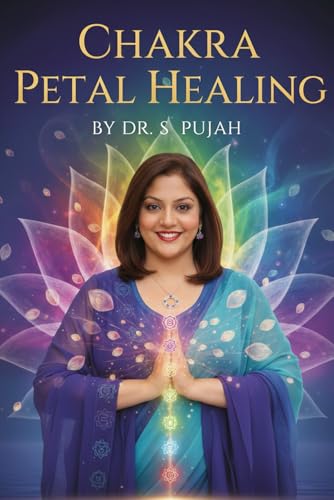
This guidebook offers detailed steps for aligning and balancing each chakra with exercises and meditations.
See it on Amazon →Historical Origins and Variations in Chakra Numbers
The earliest mentions of chakras appear in tantric Hindu and Buddhist texts dating to around the 8th century CE. These texts describe chakras as spinning wheels or lotus petals that govern the flow of subtle energy within the body. The concept relates to the movement of prana through nadis, the subtle energy channels.
Classical Buddhist sources commonly mention four or five chakras, focusing on key points related to meditation and spiritual awakening. Hindu tantric traditions often describe seven chakras but sometimes list more or fewer depending on the system and purpose.
The idea of spinning energy wheels symbolises the dynamic and cyclical nature of subtle energy. Each chakra is understood as a vortex where prana is gathered and distributed to specific body regions, influencing physical and mental functions.
Nadis and prana are integral to classical yoga anatomy. Chakras serve as nodes where nadis intersect, regulating the flow of prana and facilitating the awakening of kundalini energy. This framework forms the basis for many yogic practices aimed at spiritual development.
Chakras and Nadis
Nadis are subtle channels that carry prana; chakras act as intersection points and energy centres in this network.
Documented fact
Tantric texts from the 8th century CE are the earliest known sources describing chakras as spinning energy centres associated with spiritual practice.
Later systems and teachers expanded chakra models, adding more centres for specific spiritual or healing functions. Some modern systems count up to 114 chakras, though these are less widely recognised and mainly used in specialised tantric or energy healing contexts.
The Hindu school of yoga that focuses on spinning vibratory energy vortexes within chakras is known as Kundalini Yoga. It emphasises awakening the dormant energy at the base chakra and guiding it upward through the chakra system to the crown.
Chakras in Traditional Indian and Buddhist Systems
In classical Indian and Buddhist systems, chakras act as subtle centres distributing prana, or life force, through channels called nadis. This flow of energy moves vertically from the root chakra at the base of the spine up to the crown chakra at the top of the head.
Each chakra governs specific physical, emotional and spiritual functions. For example, the root chakra, Muladhara, relates to grounding, survival instincts and physical stability. It is associated with the element earth and traditionally depicted with the colour red.
Chakras are linked by analogy to physical systems such as glands and nerves but are not anatomical structures. They belong to the subtle body, which classical texts describe as invisible and energetic rather than physical.
- Prana flows through nadis connecting chakras and the body’s energy centres.
- Muladhara (root chakra) governs grounding and survival.
- Svadhisthana (sacral chakra) relates to creativity and emotion.
- Manipura (solar plexus chakra) influences personal power and digestion.
- Anahata (heart chakra) governs love and compassion.
- Vishuddha (throat chakra) is linked to communication and expression.
- Ajna (third eye chakra) governs intuition and insight.
- Sahasrara (crown chakra) connects to spiritual consciousness.
Buddhist systems typically describe fewer chakras than Hindu systems, often four or five, with different symbolism and functions. Their chakras focus more on meditative states and spiritual awakening.
Common Misconception
Chakras do not correspond exactly to physical glands or nerves. While traditional texts draw analogies, chakras are subtle centres without measurable anatomy.
Practices to balance prana flow and chakra function include meditation and breathwork. These methods help regulate energy, calm the mind and promote well-being. Meditation focusing on energy flow from root to crown chakra is a traditional approach to harmonise the system.
Energy chakras meditation involves visualising or sensing prana moving upward through the chakras, clearing blockages and restoring balance.
Modern Western Chakra Systems: Colours, Crystals, and Psychology
Modern Western chakra systems typically use seven chakras aligned from the base of the spine to the crown of the head, each assigned a distinct rainbow colour. This colour coding is a recent development, not found in classical Indian texts.
These systems link chakras with psychological traits and emotional states. For example, the third eye chakra, Ajna, is associated with intuition and clarity, and its imbalance is believed to cause mental fog or confusion.
People practising Western chakra healing often use crystals, essential oils and sound frequencies to influence chakra energy. Crystals such as amethyst for the crown chakra or carnelian for the sacral chakra are common tools.
Modern Additions
The use of rainbow colours, psychological traits and crystals in chakra work originates from 20th-century Western New Age movements rather than traditional Indian teachings.
Western chakra healing frequently blends yoga, meditation and New Age practices. These often include guided visualisations, affirmations and sound healing to clear and balance chakras.
Benefits of Modern Chakra Energy Healing
- Provides a structured framework for self-reflection and emotional awareness.
- Offers accessible tools like crystals and meditation to support relaxation.
- Encourages holistic practices that integrate mind and body.
Limitations and Considerations
- Lacks scientific evidence confirming chakras as literal energy centres.
- Psychological links are interpretive and vary between practitioners.
- May oversimplify complex traditional chakra concepts.
Scientific research does not support chakras as measurable energy centres in the body. Benefits attributed to chakra meditation and healing are best understood as subjective experiences or placebo effects.
To keep your third eye chakra clear from negative energies, Western practices recommend meditation focused on Ajna, sound healing with specific frequencies, and use of crystals like lapis lazuli. These are tools to enhance concentration and mental clarity rather than medical treatments.
For readers interested in exploring chakra-related crystals, these guides to crystals for chakra balancing provide detailed recommendations.
Chakra Symbols and Iconography
Each chakra is commonly depicted as a lotus flower with a specific number of petals, representing its unique energy patterns and qualities. These petals often correspond to Sanskrit letters or sounds, reflecting the chakra’s symbolic complexity. The root chakra, for example, has four petals, while the crown chakra, called Sahasrara, is traditionally shown with a thousand petals, symbolising its vast, expansive nature.
Seed mantras, or bija mantras, are Sanskrit syllables associated with each chakra. Chanting these sounds during meditation is believed to activate and balance the corresponding chakra, serving as a form of energy currency within the subtle body system.
Elements such as earth, water, fire, air, and ether describe the essential qualities of chakras. The root chakra relates to earth, symbolising stability and grounding. The sacral chakra corresponds to water, representing fluidity and emotion. These elemental associations help practitioners connect with the chakra’s nature during meditation or ritual.
Chakra symbols vary somewhat across traditions, but they share common features: lotus petals, a central geometric shape, and a Sanskrit seed mantra. This iconography aids meditation and visualisation by providing clear focal points and symbolic meaning.
Lotus petals and elemental themes of the seven main chakras
Practices to Sense, Balance, and Work with Chakra Energy
- Meditation on Colours and LocationsSit quietly and focus on each chakra’s location and traditional colour. Visualise the colour vividly while noticing sensations or shifts in awareness.
- Breathwork (Pranayama)Use pranayama techniques like alternate nostril breathing to support prana flow through the chakras, enhancing subtle energy movement.
- Yoga Poses for ChakrasPractice specific asanas that stimulate targeted chakras, such as Warrior Pose for the root chakra or Fish Pose for the throat chakra.
- Sound Healing with Mantras or Singing BowlsChant bija mantras or use singing bowls tuned to chakra frequencies to unblock and harmonise chakras.
- Crystals and AromatherapyIncorporate crystals and essential oils associated with each chakra to complement balancing rituals and deepen focus.
This guide helps structure chakra meditation and incorporates five-element balance practices to deepen your experience.
See it on Amazon →Clear Before You Work
Clear your chakras before energy work to avoid confusion or mixed sensations. Simple techniques include cleansing breathwork or visualising white light cleansing each centre.
Common Chakra Claims vs Documented Facts
| Commonly claimed | Actually |
|---|---|
| There are always seven chakras in the human body | Classical Indian and Buddhist texts describe varying numbers, sometimes fewer than seven, reflecting different systems and purposes. |
| Chakras correspond exactly to physical glands or nerves | Chakras are subtle centres in the energy body; while traditionally linked to glands, they are not anatomically identical or measurable. |
| Chakras have fixed colours and attributes since ancient times | The rainbow colours and psychological traits are modern Western developments, not found in early tantric or yogic texts. |
| Balancing chakras cures physical and mental illnesses | No scientific evidence supports chakras as medical treatments; practices may support wellbeing but are complementary and not substitutes for healthcare. |
| All chakras are located only along the spine | While the main chakras run along the spine, some traditions include chakras outside this line, such as hand or foot chakras, showing diverse models. |
Frequently Asked Questions

As an Amazon Associate, Chakra Serenity earns from qualifying purchases. Prices and availability change, so check the listing before you buy.