The Complete Guide to Chakras in Yoga: Energy Centers Explained
A complete guide to chakras, their role in yoga, and how to work with them effectively
Chakras in yoga are seven main energy centres along the spine that influence physical, mental and emotional health. Each chakra corresponds to specific body areas and qualities. Yoga uses poses, breath and meditation to balance these centres and support wellbeing.
Yoga includes physical poses but also uses chakras as part of its spiritual and philosophical system.
Chakras are often presented superficially or with modern Western interpretations that differ from traditional sources.
This guide explains what chakras mean in yoga, their traditional context, practical balancing methods, and how they connect to physical and mental states.
Recommended Reading on Chakra Healing
A detailed guide to chakra balance and inner harmony Links go to Amazon and earn this site a small commission at no extra cost to you.
Chakra Petal Healing
This book explains chakra alignment and five-element balance, useful for deepening understanding of chakra practices in yoga.
Skip it if: Skip if you want only brief overviews or non-chakra yoga guides.
Chakras in Yoga: Energy Centres Explained
In yoga, chakras are seven main energy centres located along the spine that influence physical and emotional health. The word chakra means “wheel” or “circle” in Sanskrit, referring to spinning vortexes of prana, or life force, within the subtle body.
These seven chakras run from the base of the spine to the crown of the head. Their names in Sanskrit are Muladhara (root), Svadhisthana (sacral), Manipura (solar plexus), Anahata (heart), Vishuddha (throat), Ajna (third eye), and Sahasrara (crown). Each chakra corresponds to specific body areas and is believed to govern particular physical and emotional functions.
The seven main chakras from root to crown with their Sanskrit names
Traditionally, chakras are viewed as spinning wheels of prana that regulate the flow of subtle energy throughout the body. A balanced chakra allows this energy to flow freely, supporting wellbeing, while blockages can disrupt physical health and emotional stability.
In yoga philosophy, chakras serve as focal points for meditation, breathwork, and asanas. Practices targeting these centres aim to harmonise the body and mind by clearing energy pathways. This concept links the physical body with mental and emotional states, making chakras integral to yogic understanding and practice.
Chakras in relation to yoga provide a framework to observe how posture, breath, and concentration influence overall health. They offer a map to understand the connection between bodily systems and psychological patterns, emphasising the unity of body and mind.
For those who want to explore further, the detailed characteristics and traditional colours of each chakra are covered in 7 Chakras Explained: What Each Energy Centre Represents.
The Seven Main Chakras: Locations, Colours and Functions
Yoga identifies seven main chakras, or energy centres, aligned along the spine. Each has a specific location, a traditional colour, and distinct psychological and physical qualities.
| Chakra | Location | Traditional Colour | Key Qualities |
|---|---|---|---|
| Root (Muladhara) | Base of the spine | Red | #B5473A: survival, grounding |
| Sacral (Svadhisthana) | Lower abdomen | Orange | #D2762F: creativity, emotion |
| Solar Plexus (Manipura) | Upper abdomen | Yellow | #C9A227: willpower, confidence |
| Heart (Anahata) | Centre of the chest | Green | #4B8B5C: love, compassion |
| Throat (Vishuddha) | Throat | Blue | #3B7EA1: communication, expression |
| Third Eye (Ajna) | Between the eyebrows | Indigo | #43408A: intuition, insight |
| Crown (Sahasrara) | Top of the head | Violet or white | #7A5AA6: spirituality, consciousness |
Locations, Colours and Qualities of the Seven Main Chakras
How Yoga Poses Help Balance Chakras
Yoga poses influence the chakras by opening and aligning the body’s structure, which affects the flow of prana, or vital life force, through these centres. Physical postures stretch and stimulate the areas associated with each chakra, helping to clear energetic blockages and support emotional stability.
For the Root Chakra (Muladhara), poses like Tadasana (Mountain Pose) and Balasana (Child’s Pose) ground the practitioner by connecting the feet and hips firmly to the earth. These poses cultivate a sense of safety and stability.
The Sacral Chakra (Svadhisthana) benefits from hip-opening poses such as Baddha Konasana (Bound Angle Pose) and Utkata Konasana (Goddess Pose), which encourage fluidity and creativity by releasing tension in the pelvic region.
To balance the Solar Plexus Chakra (Manipura), core-strengthening poses like Navasana (Boat Pose) and Virabhadrasana III (Warrior III) build personal power and confidence by engaging the abdominal muscles and improving posture.
Heart Chakra (Anahata) poses include Ustrasana (Camel Pose) and Bhujangasana (Cobra Pose), which open the chest and shoulders, promoting emotional openness and compassion.
For the Throat Chakra (Vishuddha), poses such as Sarvangasana (Shoulder Stand) and Matsyasana (Fish Pose) stretch the neck and throat area, supporting clear communication and expression.
Posture affects emotional and energetic balance. An upright, open body encourages prana to flow freely, reducing stress and boosting vitality. Synchronising breath with movement deepens focus on the chakra being worked.
- Start with grounding posesUse Tadasana and Balasana to stabilise the Root Chakra and connect with the earth.
- Open the hipsPractice Baddha Konasana and Utkata Konasana to release Sacral Chakra tension.
- Strengthen the coreEngage in Navasana and Virabhadrasana III for Solar Plexus confidence.
- Expand the chestTry Ustrasana and Bhujangasana to open the Heart Chakra.
- Stretch the throatPerform Sarvangasana and Matsyasana to support the Throat Chakra.
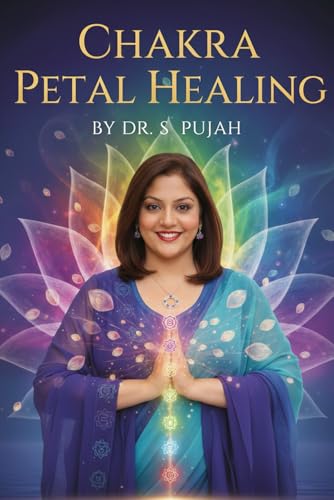
Use Chakra Petal Healing for guidance on combining poses and breath to balance each chakra effectively.
See it on Amazon →Chakra Meditation and Breathwork Techniques
Chakra meditation involves focusing attention sequentially on each chakra from the Root to the Crown, visualising spinning wheels of light in the traditional colours. This practice encourages awareness and release of blockages in these centres.
Begin by sitting comfortably with the spine straight. Take several deep breaths, settling the mind. Then, bring your attention to the Root Chakra at the base of the spine. Visualise a red spinning wheel, imagining your breath flowing into this area, clearing tension.
Move your focus upward to the Sacral Chakra, picturing an orange wheel rotating smoothly. Breathe deeply into this region, releasing any stuck feelings or discomfort.
Continue this process with the Solar Plexus (yellow), Heart (green), Throat (blue), Third Eye (indigo), and Crown (violet) chakras, visualising each spinning wheel and directing breath to them in turn.
The breath should be slow and mindful. Inhale gently, imagining energy flowing in; exhale fully, sensing blockages dissolve. This breathwork supports the clearing and balancing of chakras.
- Settle into a comfortable seated positionKeep your spine straight and close your eyes.
- Focus on the Root ChakraVisualise a red spinning wheel and breathe into it.
- Move upward through each chakraVisualise each wheel’s traditional colour and breathe into each area.
- Maintain slow, deep breathingInhale to energise; exhale to release tension.
- Finish with awareness at the Crown ChakraVisualise violet light spinning and expanding.
Regular Practice
Consistent chakra meditation and breathwork can improve mental clarity and emotional balance, though effects vary individually.
Chakras and the Nervous System: A Biological Perspective
The seven chakras in yoga align closely with major nerve plexuses in the body. Each chakra’s location corresponds to a cluster of nerves that serve key organs and regions, linking the traditional energy centres with the physical nervous system.
For example, the Muladhara (Root chakra) is situated at the base of the spine near the coccygeal plexus, which governs the legs and pelvic floor. The Manipura (Solar Plexus chakra) corresponds with the solar plexus nerve network, controlling digestion and abdominal organs. This anatomical overlap suggests why yoga’s focus on these centres can affect bodily sensations and functions.
The vagus nerve, one of the longest cranial nerves, connects several chakras to the brain. It influences heart rate, digestion, and emotional regulation. The throat chakra (Vishuddha) and heart chakra (Anahata) are especially linked to regions the vagus nerve innervates. This nerve’s role explains how breathwork and meditation impact the nervous system and emotional state.
Anatomical Links
Each chakra’s traditional location matches a nerve plexus, providing a physical basis for yoga’s energy centres.
Modern neuroscience shows that meditation and breath control can alter brain function and structure. Studies document changes in areas related to attention, emotional regulation, and stress response. While science does not confirm chakras as literal energy wheels, these practices affect the nervous system in measurable ways that correspond with chakra-focused yoga.
No direct scientific evidence proves chakras as discrete anatomical entities or energy fields. They remain symbolic tools within yoga’s spiritual framework. However, recognising the nervous system’s role helps practitioners understand how chakra work influences body and mind.
This biological perspective bridges ancient Sanskrit concepts of chakra with modern anatomy and neuroscience, clarifying why yogic practices centred on chakras promote physical and mental wellbeing.
Common Signs of Balanced and Blocked Chakras
Recognising signs of balanced and blocked chakras helps guide yoga practice. Balanced chakras often bring physical ease and emotional stability, while blockages can show as discomfort or mood shifts. These indications vary by chakra and affect both body and mind.
| Chakra | Balanced Signs | Blocked Signs |
|---|---|---|
| Root (Muladhara) | #B5473A | Feeling grounded, stable, secure; physical vitality |
| Sacral (Svadhisthana) | #D2762F | Creativity, emotional openness, healthy relationships |
| Solar Plexus (Manipura) | #C9A227 | Confidence, good digestion, clear willpower |
Examples of balanced and blocked states for three chakras
Health Caution
These signs are observations, not medical diagnoses. Consult qualified health professionals for physical or psychological concerns.
Physical signs like tension or pain in areas near chakras can indicate blockages. Emotional symptoms include fear, anger, or disconnection. For instance, a blocked Root chakra may show as chronic fatigue or insecurity, while a balanced one feels energised and safe.
Awareness of these signs matters in yoga because it directs attention to areas needing gentle focus or specific poses. It also helps avoid frustration when progress feels slow, reminding practitioners that chakra balance is a process involving body and mind.
Common Claims vs Actual Facts About Chakras in Yoga
| Commonly claimed | Actually |
|---|---|
| Chakras are physical organs inside the body. | Chakras are symbolic energy centres, not physical structures, first described in spiritual texts to represent layers of consciousness and bodily functions. |
| Balancing chakras cures illnesses directly. | While yoga and meditation can support wellbeing, there is no scientific proof that chakra work cures physical or mental illnesses. |
| There are only seven chakras in yoga tradition. | Classical yogic texts describe varying numbers of chakras; the popular seven chakra system is a modern simplification. |
| Each chakra has one fixed colour universally agreed upon. | The seven-chakra colour scheme is a modern Western development and not found consistently in classical sources. |
| Chakra meditation always involves visualising spinning wheels. | Visualising wheels is a contemporary practice; traditional methods vary and often focus on mantra or breath rather than imagery. |
Frequently Asked Questions
Related Reading
- Chakra Origins: The Ancient Roots of Energy Centres Explained — Historical background of chakras
- The Nine Chakras: A Complete Guide to Energy Centres — Beyond the seven chakras
- Discover the 12 Chakras: Beyond the 7 Energy Centres Explained — Expanded chakra systems
- Is Chakra a Religion? The Truth About Energy Centres — Clarifies chakra and religion

The article covers chakra concepts in yoga, avoiding medical claims and recommending professionals for health matters. As an Amazon Associate, Chakra Serenity earns from qualifying purchases. Prices and availability change, so check the listing before you buy.