The 11 Chakras: A Complete Guide to Energy Centers
Clear, practical, and factual guide to all main and higher chakras
The 11 chakras include the seven traditional energy centres along the spine plus four higher chakras above and below the body. Together, they form a system connecting physical, emotional, and spiritual aspects. This guide explains each chakra, how to balance them, and what science says about chakra energy.
People often know only the seven main chakras, but several traditions describe additional chakras beyond these. The eleven chakras give a fuller view of the subtle energy system that supports wellbeing and spiritual connection.
Many sources mix history, modern interpretations, and spiritual beliefs without clear boundaries. This causes confusion about what chakras are, where they are located, and how to work with them.
This article separates documented knowledge from tradition and popular belief, offering practical steps for sensing and balancing all eleven chakras, along with a clear statement on scientific evidence.
Recommended Resource for Chakra Alignment
A comprehensive guide to balancing all chakras with crystals, meditation, and elemental practices Links go to Amazon and earn this site a small commission at no extra cost to you.
Chakra Petal Healing
This book covers all 11 chakras with detailed instructions on meditation, crystals and five-element balance, supporting a complete chakra practice.
Skip it if: Skip if you prefer a shorter or less detailed introduction to chakras.
The 11 Chakras: A Complete Guide to Energy Centers
The 11 chakras include the seven traditional energy centres along the spine plus four additional chakras that extend beyond the physical body. Each chakra has a specific location, colour, and function, connecting different aspects of physical, emotional, and spiritual health.
The seven traditional chakras start at the base of the spine and rise to the crown of the head. They are the Muladhara (root chakra) located at the base of the spine, associated with grounding and survival, and represented by the colour red. Above it is the Svadhisthana (sacral chakra) in the lower abdomen, linked to creativity and sexuality, with an orange hue. The Manipura (solar plexus chakra) in the upper abdomen governs personal power and confidence, shown as yellow.
Next is the Anahata (heart chakra) in the centre of the chest, symbolising love and compassion, coloured green. The Vishuddha (throat chakra) at the throat involves communication and truth, represented by blue. The Ajna (third eye chakra) between the eyebrows governs intuition and insight, shown as indigo. Finally, the Sahasrara (crown chakra) at the top of the head connects to spiritual awareness, usually violet or white.
The seven traditional chakras with Sanskrit names and locations.
Beyond these, the four additional chakras are less widely known and mostly appear in modern spiritual teachings rather than classical texts. The Soul Star chakra is located about 15 centimetres above the crown and relates to higher spiritual purpose and connection to the soul. The Earth Star chakra lies about 15 centimetres below the feet and connects to grounding with the Earth’s energy.
The Stellar Gateway chakra is further above the Soul Star, linked to cosmic consciousness and interdimensional awareness. The Causal chakra, sometimes called the 11th chakra, is positioned above the Stellar Gateway and is said to hold the blueprint of the soul’s journey beyond physical incarnation.
The seven traditional chakras are considered primary because they are well established in Indian yogic and tantric texts. The four higher chakras extend the system to include spiritual layers outside the physical body. This distinction clarifies their different roles and locations.
Many contemporary practitioners associate specific crystals with each chakra to support meditation or energy work. For example, red jasper suits the root chakra, carnelian the sacral, citrine the solar plexus, green aventurine the heart, blue lace agate the throat, amethyst the third eye, and clear quartz the crown chakra. Crystals like selenite or moldavite are sometimes linked to the higher chakras, reflecting their subtle qualities.
The 11 chakra system is a modern extension and synthesis that blends traditional Indian teachings with Western metaphysical ideas. Classical sources differ on how many chakras exist, often describing fewer than seven or more than seven, but the current model of eleven chakras is not found in ancient texts. It offers a practical framework for those exploring energy work beyond the basic seven chakras.
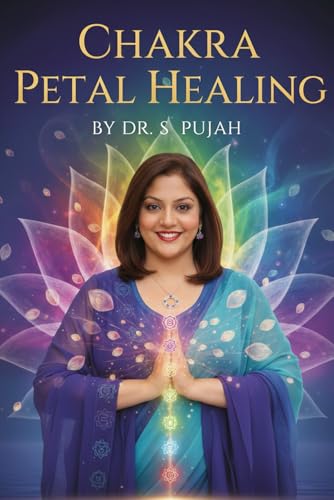
This book provides clear explanations and techniques for working with all eleven chakras, including the higher chakras and their unique roles.
See it on Amazon →Understanding the 11 chakras helps to appreciate the complexity of the subtle body and offers a fuller approach to energy practices. Each chakra plays a distinct part in maintaining balance in the physical, emotional, and spiritual dimensions.
For further reading on the chakra system basics, see What Are Chakras? The Complete Guide to Energy Centers.
How to Sense and Experience Energy Flow Between Chakras
To experience energy shifts between chakras, start by noticing subtle physical sensations such as warmth, tingling, or gentle pressure around the chakra points. These feelings signal changes in your system’s state.
A practical method involves meditation focused sequentially on each chakra, beginning with the root and moving upward to the crown. This ordered approach helps you track shifts clearly from one centre to the next.
Combine this with breathwork to enhance awareness. Techniques like slow, deep inhalations that expand the abdomen and controlled exhalations can stimulate and balance the flow through your chakras.
After each session, journaling your sensations and any emotional changes sharpens your perception over time. Note details such as where you felt warmth or any shifts in mood or clarity.
Manage Expectations
Do not expect dramatic or visible effects when sensing chakra energy. Changes are subtle and develop with regular practice over weeks or months.
Consistent daily practice builds sensitivity. Over time, subtle shifts become easier to recognise, making your chakra work more effective.
Balancing and Clearing All 11 Chakras Safely
A daily chakra meditation starting at the root chakra supports balanced energy. Move through each of the eleven chakras systematically to maintain alignment.
Using crystals linked to each chakra during meditation or carrying them can aid focus and intention. For example, red jasper suits the root chakra, while amethyst is common for the crown chakra.
Yoga poses that open and stimulate specific chakras enhance clearing. Poses such as Warrior II target the root chakra and Camel pose supports the heart chakra.
Essential oils like sandalwood and lavender are recommended for higher chakras. Applying these oils or diffusing them during meditation may improve relaxation and concentration.
Sound healing tools, including tuning forks and singing bowls, provide gentle vibrations that can clear negative energy and harmonise the chakras.
Lifestyle choices also help. Eating foods in colours matching your chakras, such as orange vegetables for the sacral chakra, supports balance. Grounding practices, like walking barefoot on natural surfaces, stabilise the root chakra.
This guidebook offers clear instructions for aligning all eleven chakras, combining meditation, crystals, and elemental balance.
See it on Amazon →The Chakra System and Scientific Evidence: What Research Shows
The concept of chakras as energy centres within the body lacks measurable scientific evidence. No instrument or study has reliably detected an energy field corresponding to chakras as traditionally described.
Research into meditation demonstrates benefits for mental health, stress reduction and wellbeing. However, these effects do not confirm the existence or function of chakras specifically as energy centres.
Devices that claim to measure auras or chakra energy have no clinical validation. Their readings cannot be reproduced under controlled scientific conditions, and their results are widely considered pseudoscientific.
It is important to distinguish between subjective experience and scientific proof. People may feel sensations or changes during chakra practices, but these reports do not constitute evidence of physical energy flows or fields.
Beware Medical Claims
Claims that chakra balancing cures or treats medical conditions are unsupported by science. Such statements should not replace advice from qualified healthcare professionals.
For health concerns, consulting licensed doctors or therapists is recommended. Chakra work can complement relaxation or mindfulness routines but should not substitute medical care.
The Role of Music, Sound, and Herbs in Chakra Energy Work
Certain music genres and frequencies are commonly used to support chakra meditation. Sounds such as Tibetan singing bowls, chanting, or tones tuned to specific frequencies aim to create a calming atmosphere conducive to focus.
No scientific proof exists that music or sound frequencies can block or unblock chakras. Personal preference plays a key role in choosing music that feels supportive rather than distracting.
Herbs like lavender, sage, chamomile, and sandalwood are traditionally used in teas, incense, or smudging rituals to promote relaxation and a sense of balance around the chakras.
These practices assist relaxation and mental clarity rather than directly manipulating energy centres. Their effects depend on individual response and context.
Trying various sounds and herbs to find what feels calming and supportive is advisable. This personal approach respects the subjective nature of chakra experiences.
Higher Chakras and Spiritual Connection Beyond the Body
The subtle energy centres above the crown chakra are often called the higher chakras. These chakras extend the system beyond the physical body and link to spiritual states and universal consciousness. They are less commonly accepted than the main seven chakras and mainly appear in modern esoteric teachings.
The Soul Star chakra, located several inches above the crown, connects to the higher self and spiritual guidance. It is said to be a point where individual consciousness meets universal wisdom, supporting intuition and soul-level understanding.
Below the feet and outside the physical body lies the Earth Star chakra. This chakra anchors a person’s subtle energy to the Earth itself, providing grounding beyond the physical contact with the ground. It helps maintain balance between earthly life and spiritual awareness.
The Stellar Gateway chakra is positioned above the Soul Star chakra. It acts as a portal to cosmic consciousness, enabling connection to higher dimensions and the vastness of the universe. This chakra is associated with expanded awareness and spiritual awakening.
The Causal chakra, sometimes called the 11th chakra, relates to karmic information and past life patterns. Positioned behind the head or slightly above the crown, it is believed to store the causes behind life experiences and spiritual lessons carried across incarnations.
Systems like the energy codes twelve chakra system and the luminous energy field’s 12 chakras include these higher centres alongside the traditional ones. However, these systems vary in their definitions and the number of chakras they recognise. The 11th chakra, often identified with the Causal chakra, is one part of these broader models.
The higher chakras extend the chakra system into spiritual and cosmic realms. Their recognition varies and they do not appear in classical Sanskrit texts but in modern, mainly Western, esoteric teachings. Practitioners use them to explore spiritual guidance, grounding beyond the physical, cosmic connection, and karmic insights.
Common Claims vs Actual Facts About Chakras
| Commonly claimed | Actually |
|---|---|
| Chakras are physical organs inside the body | Chakras are conceptual energy centres described in spiritual traditions, not physical organs. The idea comes from ancient texts and symbolism, not anatomy. |
| Blocked chakras cause specific physical illnesses | There is no scientific evidence linking chakra blockages to physical disease. This belief arises from traditional and modern spiritual interpretations. |
| Scientific studies prove chakra healing cures ailments | Research does not support chakra healing as a medical treatment. Meditation and related practices may help wellbeing, but not by altering chakras as energy fields. |
| The seven-chakra system is ancient and universal | The seven-chakra chart with rainbow colours is a modern Western synthesis. Classical Indian texts describe different numbers and arrangements of chakras. |
| Higher chakras above the head connect to spiritual powers | Higher chakras are part of later or contemporary spiritual systems, not early classical sources. Their roles vary widely by tradition and teacher. |
Frequently Asked Questions
Related Reading
- The Nine Chakras: A Complete Guide to Energy Centres — Explores chakras beyond the traditional seven
- What Is a Chakra Reading? A Clear Guide to Your Energy Centres — Explains how chakra readings work
- The Complete Guide to Chakras in Yoga: Energy Centres Explained — Covers chakras in yoga practice
- Is Chakra a Religion? The Truth About Energy Centres — Clarifies chakra origins and cultural context

Focuses on chakra concepts and practices without addressing medical treatment; consult qualified professionals for health issues. As an Amazon Associate, Chakra Serenity earns from qualifying purchases. Prices and availability change, so check the listing before you buy.