Is Chakra Witchcraft? Understanding Energy Systems and Their Origins
Why chakras are not inherently witchcraft but part of broader spiritual traditions
Chakras are not witchcraft. They originate from ancient Hindu and Buddhist traditions as a map of subtle energy centres in the body. While modern witchcraft sometimes incorporates chakra concepts, the chakra system itself is distinct from witchcraft practices.
People often ask if chakras are part of witchcraft because both involve spiritual energy and healing practices. This confusion comes from the modern blending of spiritual traditions in Western contexts.
Many online sources mix historical facts with modern beliefs, leading to misconceptions about chakras’ origins and their role in magical practices.
This article separates documented history from contemporary adaptations, explaining chakras’ roots, how they differ from witchcraft, and how they are understood today.
Recommended Chakra Energy Guide
A detailed book on chakra alignment and balance for beginners and experienced practitioners Links go to Amazon and earn this site a small commission at no extra cost to you.
Chakra Petal Healing
This book offers clear instructions on chakra alignment and balancing with five-element techniques, suitable for newcomers and experienced users.
Skip it if: Skip it if you want a brief overview rather than an in-depth study.
Is Chakra Witchcraft? The Truth About Energy Systems
Chakras are not witchcraft. They originate in ancient Indian spiritual and yogic traditions as a system mapping subtle energy centres along the spine. Witchcraft is a separate set of spiritual and magical practices, distinct from the historical chakra system.
The word chakra means “wheel” or “disk” in Sanskrit, referring to spinning centres of subtle energy within the body. These centres are traditionally understood in Hindu and Buddhist tantra and yoga as part of the subtle body and its network of channels called nadis.
Modern witchcraft may incorporate chakra concepts, but this is a contemporary adaptation rather than a historical connection. Western occult and New Age spirituality often blend chakra ideas with other esoteric practices, creating new interpretations that differ from classical teachings.
The popular seven-chakra system, with colours assigned to each centre, is a modern Western development. It gained prominence through early 20th-century texts such as The Serpent Power (1919) and The Chakras (1927). Classical sources mention fewer chakras and lack the standardised colour scheme.
Chakras are described as centres where prana (life force) moves, influencing physical, emotional and spiritual health in traditional systems. Some traditions teach that blockages in chakras can cause imbalances.
Scientific research finds no evidence of chakras as physical structures or measurable energy centres. Studies on meditation and breathwork show effects on wellbeing, but these do not confirm chakras as anatomical or bioenergetic facts.
People searching for “chakra witchcraft” or “chakras and witchcraft” should understand that chakras come from Indian spirituality and yoga. Their presence in witchcraft is a modern borrowing, not an original part of witchcraft traditions.
Historical Origins of Chakras in Hindu and Buddhist Traditions
The term chakra means “wheel” or “disk” in Sanskrit. This word appears in early Indian texts to describe wheels of energy or light within the body.
References to chakras appear in Hindu Upanishads and Buddhist tantric texts, though these early mentions do not detail the seven-chakra system known today. Instead, they focus on the subtle body and the flow of prana through channels called nadis.
Classical tantric and yogic literature elaborates on chakras as part of meditation and spiritual awakening practices. These texts identify several chakras located along the spine, but the exact number varies.
The modern popularisation of the seven main chakras—Muladhara (root), Swadhisthana (sacral), Manipura (solar plexus), Anahata (heart), Vishuddha (throat), Ajna (third eye), and Sahasrara (crown)—comes from tantric texts and was systematised in the early 20th century.
Colours, gemstones, and detailed correspondences assigned to each chakra are largely Western inventions, developed alongside occult and New Age movements rather than classical Indian sources.
Kundalini yoga, which emerged from tantric traditions, teaches the awakening of a dormant serpent energy at the base chakra that rises through the chakras to the crown. This practice is closely linked to chakra theory but is a specialised path within yoga.
For readers seeking detailed historical and textual background on chakras, the Wikipedia article on chakras provides a well-documented starting point. Our site also offers a dedicated guide on How Many Chakras Are There?
Modern Western Adaptations and Occult Interpretations
Chakras entered Western spirituality mainly through Theosophical writers in the early 20th century. Helena Blavatsky and others introduced concepts of subtle energy centres linked to Eastern traditions. The 1919 book The Serpent Power by Arthur Avalon popularised the seven-chakra system, naming them and describing their locations along the spine.
Western occultism expanded these ideas by assigning colours, crystals, and new symbolic correspondences to each chakra. This practice differs from classical Indian teachings, which did not specify rainbow colours or link chakras to particular stones. The popular association of chakra colours such as red for the root and violet for the crown is a modern Western invention.
Chakra healing in the West often uses crystals to balance specific chakras. This is a contemporary development combining ideas from crystal healing and chakra theory. Many practitioners select stones by their colour matching that of a chakra, for example, red jasper for the root chakra or amethyst for the crown.
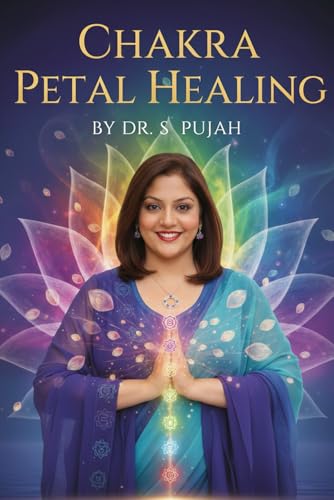
This guide explains how to align chakras using colour and five-element balance, suitable for beginners and experienced practitioners alike.
See it on Amazon →Modern witchcraft sometimes incorporates chakra work as part of energy manipulation and self-care. However, this integration is a recent cross-cultural adaptation rather than a historical practice within witchcraft. The Western chakra system with its colours, stones, and healing methods remains distinct from the original Indian yogic and tantric traditions.
Chakras and Witchcraft: The Relationship and Differences
Witchcraft traditionally centres on magic, spells, and rituals intended to influence outcomes or connect with spiritual forces. Chakra work, by contrast, focuses on the flow of subtle energy within the body and maintaining spiritual balance through meditation or breathwork.
Some modern witches incorporate chakra techniques as part of their energy work, blending practices from different traditions. This use of chakras in witchcraft is a contemporary development rather than part of historical witchcraft systems.
Traditional witchcraft, as documented in European and other indigenous sources, does not include chakras. Chakra concepts come from Indian religious and yogic contexts and entered witchcraft through modern spiritual syncretism.
Chakra practices can be secular and non-magical, used for personal wellbeing, mindfulness or spiritual growth without invoking ritual or magic. This distinguishes them from witchcraft, which involves specific magical intent and ritual actions.
Scientific Perspectives on Chakras and Energy Healing
Chakras are not scientifically proven physical structures. No medical imaging or anatomical research confirms their existence as energy centres in the body. The term chakra originates in metaphysical and spiritual texts, not scientific literature.
Studies in energy medicine, which includes practices like Reiki and therapeutic touch, report some benefits for pain relief and anxiety reduction. However, these effects are attributed to relaxation and placebo rather than measurable chakra energy flow.
References to chakras belong to metaphysical systems. They do not appear in medical textbooks or clinical practice guidelines. Claims that chakra work can cure diseases lack scientific support and should be treated with caution.
Beware of Medical Claims
No scientific evidence supports chakras as diagnostic or treatment tools. Consult qualified health professionals for any medical concerns.
Scientific scepticism about chakras coexists with personal reports of benefit from meditation and visualisation practices involving chakras. These practices may improve wellbeing through psychological mechanisms rather than altering any physical energy.
The Ashoka Chakra: A Symbol Separate from Chakra Energy Centres
The Ashoka Chakra is a 24-spoke wheel featured prominently on the Indian national flag. It symbolises dharma (law and order) and the eternal wheel of law, not energy centres in the body.
This symbol predates the popular modern chakra systems. It derives from the Lion Capital of Ashoka, an ancient emblem used by Emperor Ashoka in the 3rd century BCE.
The Indian flag features the Ashoka Chakra, a navy blue 24-spoke wheel on a white band representing dharma. It is distinct from yogic chakra symbols.
The Flag Code of India specifies the Ashoka Chakra’s design, including its size and number of spokes. It is unrelated to yogic or occult chakra systems.
Confusion arises because the word chakra means “wheel” in Sanskrit, but the Ashoka Chakra represents a political and philosophical concept rather than a subtle energy centre.
Common Claims about Chakras vs Documented Facts
| Commonly claimed | Actually |
|---|---|
| Chakras are inherently part of witchcraft traditions | Chakras originate from Hindu and yogic traditions; their use in witchcraft is a modern adaptation to energy work practices. |
| Chakras are scientifically proven physical energy centres | There is no scientific evidence supporting chakras as physical energy structures; they are conceptual in spiritual and traditional contexts. |
| The seven chakra system with rainbow colours is ancient and universal | The seven chakra system and associated colours are a modern Western development popularised in the 20th century, not classical teaching. |
| Blocked chakras cause physical and mental illnesses | Some traditions believe blocked chakras affect well-being, but these effects are not medically proven and are part of spiritual practice. |
| The Ashoka Chakra on the Indian flag represents chakra energy centres | The Ashoka Chakra is a 24-spoke wheel symbolising dharma and law, distinct from the chakra energy system. |
Frequently Asked Questions
Related Reading
- What Are Chakras? The Complete Guide to Energy Centres — Foundations of chakra concepts and locations
- Is Chakra a Religion? The Truth About Energy Centres — Clarifies religious and spiritual status of chakras
- Are Chakras Pseudoscience? The Truth Behind Energy Healing — Scientific perspective on chakra energy claims
- 5 Surprising Crystals You Didn’t Know Could Balance Your Chakras — Crystals commonly linked to chakra healing
Sources
- Chakras and Witchcraft: Align Your Energy for Powerful Magic – MOONCHILD LTD — Use of chakras in modern witchcraft and energy work
- The Truth About Chakras: Discernment Between Energy and Deception — Sacred MindShift — Christian perspectives and discernment on chakras
- Yoga Magick and Witchcraft: Chakras 101 for Witches — Western occult adaptations of chakra concepts
- Chakras and Magick | Sacred Wicca — Traditional beliefs about blocked chakras and health
- Chakra – Wikipedia — Historical origins and definitions of chakras

The article covers historical, cultural, and modern interpretations of chakras without addressing medical or psychological treatment; consult qualified professionals for health issues. As an Amazon Associate, Chakra Serenity earns from qualifying purchases. Prices and availability change, so check the listing before you buy.