Master Meditation With Mala Beads: A Complete Guide
Clear, practical steps and cultural context for effective mala meditation
Mala beads meditation involves using 108 beads plus a guru bead to count mantras or breaths, traditionally with the right hand and thumb, reversing at the guru bead. This guide explains the history, how to use them, mantra choices, care, and daily practice tips.
People search how to use mala beads because they want a practical way to deepen meditation and stay focused. Many find conflicting or incomplete instructions online.
Common mistakes include unclear handling instructions, misunderstanding the guru bead’s role, or confusion about mantras and breath counting.
This guide fills those gaps with clear, historically accurate steps and advice on care, mantra selection, and establishing a routine.
Recommended Product for Mala Meditation
Choose a quality ring to complement your mala practice Links go to Amazon and earn this site a small commission at no extra cost to you.
BEADS PLANET JAIPUR Gomti Chakra Silver Ring
This natural gemstone ring features the Gomti Chakra symbol, enhancing your meditation focus and pairing well with mala bead practice. Its antique silver plating suits traditional aesthetics.
Skip it if: Skip if you prefer minimalist or non-jewellery meditation aids.
How To Use Mala Beads For Meditation
To use mala beads for meditation, hold the mala in your right hand and use your thumb to pull each bead over the middle or ring finger, starting at the bead next to the guru bead. Recite one mantra or take one breath per bead, moving sequentially until you reach the guru bead, then reverse direction and continue without crossing it.
The guru bead is the larger, distinctive bead that marks the start and end of one mala cycle. It is never counted or crossed over; instead, when you reach it, you reverse direction and continue your practice backward. This maintains the sacred cycle and honours the bead’s significance.
Hold the mala draped over your middle or ring finger of the right hand. Use your thumb to pull the beads toward you, one at a time. Avoid using the index finger to move the beads, as traditional practice considers the index finger less suitable for this tactile rhythm.
Common Mistake
Using the index finger to pull beads can disrupt the flow of meditation and is traditionally avoided. The index finger is linked with ego in some traditions, so it is excluded to promote humility and focus.
- Hold the mala in your right handDrape the mala over the middle or ring finger with the guru bead facing you.
- Start at the bead next to the guru beadDo not count or cross the guru bead.
- Use the thumb to pull each bead toward youMove the beads over the middle or ring finger, one at a time.
- Recite one mantra or breath per beadSynchronise your mantra or breath with each bead.
- Reach the guru bead and reverse directionDo not cross the guru bead; instead, turn the mala around and continue.
The History and Symbolism of Mala Beads
Mala beads have a long history in Hindu and Buddhist traditions, with earliest evidence dating back thousands of years as tools for counting mantra repetitions or breaths during meditation. Traditional malas contain 108 beads plus one guru bead, a number that holds deep cosmic and energetic symbolism.
Sacred Number 108
The number 108 appears in many spiritual contexts, representing the number of energy channels (nadis) converging in the heart, as well as cosmic scales including the distance between the Earth and the Sun. This makes 108 a sacred count for spiritual practice.
The guru bead marks the start and end of the mala cycle and is never crossed during meditation. It symbolises the teacher or the spiritual path itself, acting as a reminder of guidance. Practitioners reverse direction upon reaching this bead to maintain respect for its significance.
Different traditions vary in mala bead counts and handling. Hindu and Mahayana Buddhist malas typically have 108 beads, while some Jain and Theravada Buddhist malas use smaller counts, such as 54 or 27 beads, often with spacer beads dividing the mala into sections.
Hand use also differs by culture. Traditionally, the right hand is used in Hindu mala practice, while some Buddhist schools accept either hand. The thumb is preferred to move beads, avoiding the index finger, though this varies with cultural and sectarian customs.
| Tradition | Mala Bead Count | Hand Use | Notes |
|---|---|---|---|
| Hinduism | 108 + 1 guru bead | Right hand | Guru bead marks cycle start/end, never crossed |
| Mahayana Buddhism | 108 + 1 guru bead | Right or left hand varies | Spacer beads divide mala into sections |
| Theravada Buddhism | 54 or 27 beads | Either hand | Smaller malas common, used for breath counting |
| Jainism | Varies, often 108 | Right hand | Focus on mantra repetition with variations in bead design |
Variations in Mala Bead Counts and Handling by Tradition
Choosing the Right Mala Beads and Materials
Mala beads are traditionally made from a variety of natural materials including wood, rudraksha seeds, gemstones, bone, and metals. Each material carries its own significance and practical qualities, influencing the choice depending on your meditation goals and preferences.
Wood malas are common for their lightweight and warm feel. Rudraksha beads come from the seeds of a sacred tree and are prized in Hindu traditions for spiritual benefits. Gemstones are often selected for their chakra associations or personal resonance. Bone and metal malas appear in some Tibetan Buddhist practices, valued for durability and symbolic meanings.
Material choice often relates to intention or chakra focus. For example, rose quartz beads align with the heart chakra, while tiger’s eye suits the solar plexus chakra. These associations are part of modern practice rather than classical texts, but they help practitioners select beads that support their meditation focus.
Mala beads can be worn as jewellery, but traditionally they are treated as sacred tools for meditation. Wearing them respectfully includes avoiding placing them on the floor or in inappropriate places. Use them primarily during meditation to maintain their symbolic power.
Counter beads or spacer beads divide the mala into sections, usually groups of 27 beads if following the 108 count. These help maintain focus during long meditation sessions by providing tactile markers. They also add visual interest and can be made from different materials.
Suits
- Wood malas for beginners due to lightness and affordability
- Gemstone malas for chakra-specific intentions
- Rudraksha beads for traditional Hindu practice
Less suited to
- Bone or metal malas may feel heavy or cold
- Gemstone malas can be fragile
- Wood beads may wear faster with daily use
Mantras and Intentions for Mala Meditation
Use mala beads to count each repetition of a mantra or each breath during meditation. Traditional Sanskrit mantras like Om are common, but you may also choose any phrase or simply count breaths. The goal is to maintain a steady, consistent rhythm with the beads.
Before starting, set a clear intention for your session. This might be a quality you want to cultivate, a personal aim, or a dedication of your practice. To do this, hold your mala quietly and silently state your intention or visualise it clearly.
- Choose your mantra or breath countingPick a mantra meaningful to you or decide to focus on your breath for this meditation.
- Set a clear intentionHold the mala and silently state your meditation goal or quality you wish to develop.
- Start at the bead next to the guru beadUse your thumb to move one bead per mantra repetition or breath, moving in one direction.
- Complete the full cycle without crossing the guru beadWhen you reach the guru bead, turn the mala around and continue if desired, avoiding crossing over the guru bead.
Consistent Movement
Move the beads in only one direction during a session to avoid distraction. This simple, repeated action helps the mind stay focused on the mantra or breath.
Cleaning, Caring, and Storing Mala Beads
To care for and cleanse mala beads, choose a method suited to the bead material. Natural stones and rudraksha seeds cleanse well under moonlight. Wooden or bone beads should not be soaked or exposed to salt water. Instead, wipe them gently with a dry cloth.
Avoid Damage
Do not soak delicate materials like wood or bone, as this can cause cracking or weakening.
Sage or palo santo smoke can purify most mala beads without harming them. Pass the mala slowly through the smoke to clear any accumulated energies or residue. This method is safe for all traditional materials.
Store malas in a clean, sacred space such as a dedicated pouch or box. This protects them from dust and damage and preserves their personal significance. Avoid letting others handle your mala, as the beads carry your unique intention and energy.
To refresh the mala’s energy, repeat your chosen intention or mantra while holding the beads. This practice maintains the connection between the mala and your meditation focus.
Building and Maintaining a Daily Mala Meditation Practice
- Begin with a Short, Set TimeStart with 5 to 10 minutes each day. Consistency matters more than length. Increase gradually as your concentration improves.
- Choose a Quiet, Fixed LocationUse the same calm space daily. A quiet corner reduces distractions and signals your mind to focus.
- Use the Right Hand and Thumb MovementHold the mala in your right hand. Use your thumb to pull each bead over the middle finger, moving in one direction only. This single motion prevents confusion and supports steady focus.
- Count Each Mantra or Breath on One BeadAssign one bead per mantra repetition or breath. This links tactile sensation to mental rhythm, anchoring attention.
- Handle Distractions Without FrustrationIf your mind wanders or you lose count, pause briefly. Return to the current bead without self-criticism and resume gently.
- Keep Your Mala Visible and AccessibleStore your mala where you see or carry it daily. This visual cue encourages regular practice.
- Use Counter Beads to Track ProgressIf you find it hard to keep track after a full round, add a counter bead at intervals. This helps maintain focus without disrupting flow.
- Adjust Mala Handling for ComfortIf beads feel rough or cause discomfort, shift your grip or try a different mala material better suited to your skin and fingers.
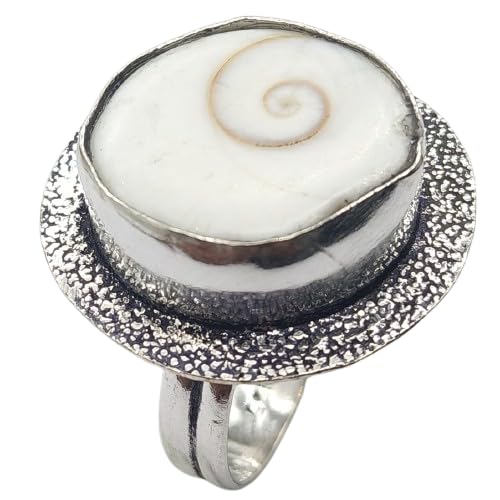
This natural gemstone ring enhances tactile awareness during bead movement, supporting concentration in mala meditation.
See it on Amazon →Seven chakras often linked to mala bead materials and meditation focus.
Meditate daily at a set time and place. Move beads with your thumb in one direction only. Use each bead for one mantra or breath. Return calmly when distracted.
A regular mala practice anchors the mind through touch and repetition. The steady bead count mirrors the rhythm of mantra or breath, deepening concentration.
Returning gently to the current bead after distraction builds patience. Avoid changing bead movement styles mid-session to keep the mind from having to adjust.
Consistent handling and care of your mala maintain a meaningful practice. Experiment with mantras and bead materials that feel right to you.
For detailed meditation techniques that complement mala use, see Zen Meditation Techniques and Master Om Meditation.
Common Misconceptions About Mala Beads
| Commonly claimed | Actually |
|---|---|
| A mala always has exactly 108 beads with no exceptions | While 108 beads is traditional, some malas have fewer beads or include spacer beads to divide sections; variations exist for different practices. |
| The index finger must never touch the mala beads because it represents ego | Many traditions avoid the index finger, but some Buddhist schools allow different fingers or hands; this is symbolic, not a strict rule. |
| You must use only Sanskrit mantras with mala beads | Mala beads can be used with any mantra or breath counting; Sanskrit is common but not mandatory. |
| Crossing the guru bead during counting is acceptable if you wish to continue | The guru bead marks the start and end and is not crossed; practitioners reverse direction at the guru bead to continue. |
| Mala beads are only made from rudraksha seeds or wood | Traditional malas are made from various natural materials including wood, seeds, stone, bone, and metals. |
Frequently Asked Questions
Related Reading
- Best Mala Bead for Crown Chakra — Guide to choosing mala beads by chakra
- Master the Art of Sitting on a Meditation Cushion — Improve posture during mala meditation
- Master the Art of Leading a Meditation Session — Techniques for guiding group meditation
Sources
- How to Use Mala Beads: A Step-by-Step Meditation Guide — Mala use steps and guru bead role
- Mala Beads Meditation: A Beginner Guide — SageStone — Finger use and mantra variety
- How to use Mala Beads for Meditation: easy to follow 5 step guide — Mala history and material variations
- How to Use Mala Beads: Buddhist Prayer & Mantra Practice Guide — Material types and hand techniques
- Japamala – Wikipedia — Mala bead count and traditional facts
This article covers traditional and modern mala bead use, focusing on technique, history, and care; it does not address medical or psychological advice. As an Amazon Associate, Chakra Serenity earns from qualifying purchases. Prices and availability change, so check the listing before you buy.