Is Meditation Evil? The Truth About Spiritual Practice
Clear answers on meditation’s nature, history, and safety concerns
Meditation is not evil. It is a practice for mental calm and spiritual connection that varies by tradition. Concerns about evil influences arise from misunderstanding the intention and form of meditation.
Some religious groups question whether meditation is evil or linked to demonic forces, especially when practices seem unfamiliar or outside their traditions.
Misconceptions about meditation often link it to superstition or fear of negative spiritual influence.
This guide clarifies meditation’s neutral nature, its diverse forms, and how to practise it safely without conflict with faith.
Meditation Tools to Enhance Practice
Use sound to deepen focus and create a peaceful environment Links go to Amazon and earn this site a small commission at no extra cost to you.
Premium Tibetan Singing Bowl Set
The soothing tones of this handmade singing bowl help maintain focus and calm during meditation. Its quality craftsmanship suits beginners and experienced meditators alike.
Skip it if: Skip it if you prefer silent meditation or other sound tools.
Is Meditation Evil? Understanding Its True Nature
Meditation is not evil or demonic. It is a neutral practice used worldwide to calm the mind and foster spiritual connection, depending on the intention and tradition behind it.
Some people say meditation is demonic because they associate unfamiliar spiritual practices with negative forces or superstition. This fear often stems from misunderstanding the purpose and methods of meditation, or from cultural and religious backgrounds that caution against certain types of spiritual experience.
Meditation itself is a broad term for techniques that focus attention, regulate breath, or cultivate awareness. The practice can be entirely secular or deeply spiritual. Its ethical or spiritual value depends on the intention guiding it. A meditation aimed at peace, compassion or self-awareness aligns with positive spiritual paths.
Key aspects of meditation covered in this article to clarify its nature.
Concerns about meditation often arise when people encounter unfamiliar sounds, postures or mental states. These elements do not define meditation’s nature but reflect diverse cultural expressions. Understanding this diversity helps to separate fact from fear.
Meditation can fit within religious practices such as Christianity, Buddhism, Hinduism, and Sufism, each with distinct methods and intentions. Its neutrality allows it to complement rather than contradict many faiths. The key is to approach meditation with clear, honest intention and respect for one’s own beliefs.
Common Forms of Meditation Across Religions
Meditation appears in many religions, each with unique styles and spiritual aims. Christian meditation often focuses on prayer, scripture reflection, and contemplation to deepen connection with God.
Eastern traditions like Buddhism and Hinduism practise meditation styles including mindfulness, breath control, and mantra repetition. Mindfulness meditation involves observing thoughts and sensations without judgment, cultivating present-moment awareness.
Breath meditation regulates breathing patterns to calm the body and mind, often preparing for deeper spiritual experience. Mantra meditation uses repeated sacred sounds or phrases, such as “Om,” believed to focus the mind and align it with spiritual vibrations.
These forms overlap in their aim to centre attention and foster inner peace. However, they differ in their cultural context and the spiritual entities or concepts they invoke. For example, Hindu chakra meditation focuses on energy centres in the body, linking physical and spiritual wellbeing.
Meditation’s link to spiritual connection is clear in these traditions. It is a practice to open awareness, invite divine presence, or balance inner faculties. This connection is not evil but a recognised path to personal growth and understanding.
The idea of “spiritual chakra meditation” is a modern interpretation rooted in Indian yogic traditions, where chakras are energy points in the subtle body. Similarly, meditation involving a “spiritual god” reflects devotional practices found across faiths, where meditation supports prayer and surrender rather than fear.
For those exploring meditation, recognising the variety of methods and their intentions helps choose a practice suited to personal beliefs and goals. Christian meditation emphasises prayerful reflection, while Eastern methods may offer tools for mindfulness and energy awareness. Each approach honours a different path to spiritual presence.
More detailed guides on specific meditation styles, such as Master Om Meditation or Zazen Meditation, provide practical steps and context for those interested in exploring further.
Why Some Fear Meditation: Myths About Evil Spirits
Some people say meditation is demonic because they misunderstand what it means to have an “empty mind.” In common meditation, “empty” does not mean the mind is vacant or vulnerable. Instead, it means letting go of distracting thoughts to focus calmly on the present moment. This state is not a doorway to evil but a tool for mental clarity.
Fears about spiritual vulnerability come from the idea that quieting the mind might open a person to harmful spirits or negative influences. These fears often arise from cultural or religious teachings that associate altered states of consciousness with danger. However, meditation itself does not summon spirits or invite harm. Instead, many traditions emphasise intention and protective practices, such as prayer or visualisation, to create a safe mental space.
Intention plays a key role in meditation’s safety. Practising with a clear purpose—whether for peace, healing, or self-awareness—helps maintain control over the experience. Protective rituals can include setting personal boundaries or focusing on positive images or mantras. These steps reduce anxiety and prevent feelings of helplessness during meditation.
Reassurance about meditation’s safety is important for beginners and those cautious due to their beliefs. Meditation is a neutral practice, neither inherently good nor evil. It does not involve invocation of spirits or supernatural forces unless specifically incorporated by a tradition. Most people find meditation calming and stabilising, with no negative spiritual effects.
Scientific Benefits of Meditation
Meditation offers benefits supported by scientific study, separate from any spiritual or religious context. Research consistently shows that meditation reduces stress by lowering cortisol, the body’s main stress hormone. This effect improves physical and mental well-being over time.
Studies also find that meditation enhances attention and emotional regulation. Practitioners develop better focus and greater resilience to emotional challenges. These improvements do not depend on belief in any spiritual god or system but result from regular practice of the meditation techniques themselves.
Scientific findings apply across cultures and belief systems. People from diverse backgrounds report similar benefits, confirming meditation’s broad usefulness. The practice supports mental health by reducing anxiety, depression, and symptoms of post-traumatic stress disorder in some cases.
Meditation’s mental health value makes it a tool for anyone seeking calm and clarity. Whether done in silence or with guidance, it improves self-awareness and emotional balance. Scientific evidence encourages its use as a complement to medical and psychological care, without replacing professional advice.
How to Meditate Safely and Respectfully
Begin meditation by setting a clear intention. Decide what you want to achieve or focus on, such as calmness, insight, or connection to a higher power. This clarity helps guide the practice and protects against confusion or unwanted influences.
Use spiritual symbols to support your meditation. Many people find protective visualisations effective, such as imagining a white light surrounding them or calling on a guardian figure. Crystals like black tourmaline or amethyst can also be placed nearby to foster a sense of safety. These tools serve as anchors for your focus and help maintain a grounded state.
Erkaba meditation is a visualisation-based spiritual practice that involves envisioning a geometric, light-filled structure enveloping the body. This can create a protective energy field and deepen spiritual connection. Such visualisations are traditional and safe when practised with intention and respect.
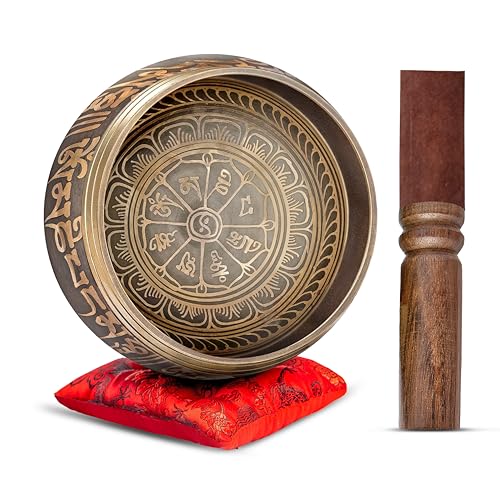
A Tibetan singing bowl produces vibrations that help centre attention and create a peaceful atmosphere for meditation.
See it on Amazon →Always end meditation by reconnecting with your physical body and surroundings. Simple actions like feeling your feet on the floor, noticing your breath, or opening your eyes slowly help you stay grounded. This prevents disorientation and reinforces the separation between meditation time and daily life.
Additional tools that support safe practice include incense, soft lighting, and comfortable seating. These create an inviting space that signals your mind and body to relax and remain focused. Avoid distractions and interruptions to maintain respect for the practice.
Historical Christian Meditation and Its Parallels
Christian meditation has a long history, practised by mystics such as St Teresa of Ávila, St John of the Cross, and Meister Eckhart. Each developed methods to deepen their spiritual experience and relationship with God.
St Teresa of Ávila’s contemplative prayer involved quieting the mind and focusing entirely on the presence of God. She described stages of spiritual ascent achieved through sustained, focused prayer that resembles modern mindfulness in its attention to the present moment.
St John of the Cross used meditative techniques that combined reflection on scripture with an inward journey to purify the soul. His approach echoes modern practices of observing thoughts without attachment, aiming for spiritual clarity.
Meister Eckhart taught about a direct experience of God beyond words or images. His teaching invites a meditative state of openness and receptivity, paralleling the emptiness sought in many contemporary meditation forms.
These Christian methods share with modern meditation the use of focused attention, quieting mental chatter, and seeking a state beyond ordinary thought. Meditation as a spiritual practice is thus continuous across traditions, aiming to connect the practitioner with the divine or ultimate reality.
Meditation spiritual god in the Christian context focuses on union with God through prayer and contemplation. This differs from some Eastern forms that may emphasise self-awareness or energy but shares the goal of spiritual transformation.
Commonly Claimed vs Actually: Meditation and Evil
| Commonly claimed | Actually |
|---|---|
| Meditation empties the mind and leaves you vulnerable to evil spirits | Meditation aims to calm and focus the mind, not leave it vacant or defenseless. Misunderstanding ’empty mind’ fuels this myth. |
| Meditation is a form of occult or demonic ritual | Meditation has diverse religious and secular origins, mostly focused on mental clarity or spiritual connection, not occult practices. |
| All meditation practices open you to negative spiritual influences | Most meditation styles include safeguards like intention setting and ethical grounding to avoid harmful influences. |
| Christianity forbids meditation because it is evil | Christian meditation has a long, respected tradition among mystics and is not considered evil within mainstream Christianity. |
| Using spiritual symbols in meditation guarantees protection against evil | Symbols can provide psychological comfort but do not guarantee spiritual safety; intention and context matter more. |
Frequently Asked Questions
Related Reading
- Colour Meditation: A Powerful Practice for Mind and Spirit — How colours support meditation and mind focus
- Powerful Crystal Meditation Practices for Healing & Focus — Using crystals to aid meditation concentration
- Daily Prayer and Meditation: A Transformative Spiritual Practice — Combining prayer and meditation traditions
- How to Know If Your Meditation Practice Is Working — Signs and guidance to assess your meditation

This article covers spiritual and cultural aspects of meditation, not medical advice. As an Amazon Associate, Chakra Serenity earns from qualifying purchases. Prices and availability change, so check the listing before you buy.