Chakra Massage: The Ultimate Guide to Energy Healing Through Touch
Complete guide to techniques, benefits and DIY methods for chakra healing through touch
Chakra massage is a holistic therapy using touch to balance the seven main chakras, promoting physical relaxation, emotional release and spiritual alignment. It combines traditional massage with energy work to clear blockages and restore flow.
Many people seek chakra massage to address stress, emotional blockages or spiritual disconnection. However, most find only surface-level information or confusing claims online.
Some explanations mix traditional massage with modern energy healing without clear distinction, leaving readers unsure what a chakra massage entails or how to practise it.
This guide clarifies what chakra massage is, how it works, its benefits, and how to try it safely at home or with a practitioner.
Further Reading on Chakra Healing
Explore detailed guides to chakra alignment and balance Links go to Amazon and earn this site a small commission at no extra cost to you.
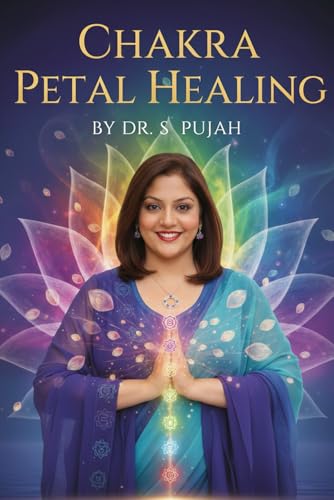
Chakra Petal Healing Guide
This book offers extensive coverage of chakra alignment and integration of five-element balance, suitable for both beginners and experienced practitioners.
Skip it if: Skip it if you prefer shorter or more practice-focused manuals.
What Is Chakra Massage and How Does It Work
Chakra massage is a therapeutic technique that combines physical touch with energy work to balance the body’s seven main chakras. Unlike traditional massage, which focuses mainly on muscles and tissues, chakra massage aims to clear energetic blockages that affect physical, emotional and spiritual well-being.
This practice works by stimulating specific points along the body where chakras are located, using gentle pressure, stroking, or holding. The intention is to restore the free flow of energy, which practitioners believe supports overall health and relaxation.
Chakra massage targets three interconnected levels:
- Physical: relieving muscle tension and promoting circulation
- Emotional: releasing stored feelings and calming the nervous system
- Energetic: clearing and balancing the subtle energy centres called chakras
Common techniques include light hand placements, circular motions over the chakra areas, tapping, or feather-like strokes. Some therapists incorporate breath awareness or guided visualisation to enhance the process.
Key Point
Chakra massage differs from conventional massage by focusing on energy centres rather than only physical tissues, blending touch with subtle energy work.
The Seven Main Chakras and Their Roles in Massage
Chakra massage targets the body’s seven main chakras, energy centres traditionally located along the spine from its base to the crown of the head. Each chakra corresponds to a physical area and specific psychological or emotional functions. Massage techniques focus on these points to promote balance and relieve tension.
Starting with the Muladhara (root chakra) at the base of the spine, massage here calms anxiety and fosters a sense of stability. The Svadhisthana (sacral chakra) in the lower abdomen relates to creativity and emotional fluidity; massage encourages release of emotional blockages.
The Manipura (solar plexus chakra) above the navel governs willpower and confidence. Massage in this area aims to boost energy and self-esteem. At the centre of the chest, the Anahata (heart chakra) connects to love and compassion. Massage opens emotional blocks to foster connection.
The Vishuddha (throat chakra) supports communication and truth. Massage here eases tension and aids clearer expression. The Ajna (third eye chakra) located between the eyebrows relates to intuition and mental clarity; massage promotes relaxation and insight.
Finally, the Sahasrara (crown chakra) at the top of the head links to spiritual connection. Massage aims to induce calm and a sense of unity. Practitioners may incorporate chakra-specific essential oils, crystals, or sound healing to enhance effects, chosen to support the qualities associated with each chakra.
The seven chakras from root to crown and their Sanskrit names.
| Chakra | Location | Colour | Function | Massage Role |
|---|---|---|---|---|
| Root (Muladhara) | Base of spine | #B5473A | Grounding, survival | Massage calms anxiety and promotes stability |
| Sacral (Svadhisthana) | Lower abdomen | #D2762F | Creativity, sexuality | Massage encourages emotional release and fluidity |
| Solar Plexus (Manipura) | Upper abdomen | #C9A227 | Willpower, confidence | Massage boosts energy and self-esteem |
| Heart (Anahata) | Centre of chest | #4B8B5C | Love, compassion | Massage opens emotional blocks and fosters connection |
| Throat (Vishuddha) | Throat | #3B7EA1 | Communication, truth | Massage aids expression and clears tension |
| Third Eye (Ajna) | Forehead between eyebrows | #43408A | Intuition, insight | Massage supports mental clarity and relaxation |
| Crown (Sahasrara) | Top of head | #7A5AA6 | Spiritual connection | Massage promotes calm and a sense of unity |
Oils for Chakras
Essential oils such as patchouli for the root chakra and lavender for the crown chakra may enhance massage by stimulating associated qualities.
Crystals in Massage
Crystals like carnelian for the sacral chakra or amethyst for the third eye are often placed near the body during massage to support energetic balance.
Sound and Vibration
Tibetan singing bowls or tuning forks tuned to chakra frequencies can accompany massage to deepen relaxation and focus on particular chakras.
Benefits of Chakra Massage: Physical, Emotional and Spiritual
Chakra massage offers several benefits reported by practitioners and clients, combining effects on the physical body, emotions and spiritual awareness. It aims to balance the chakras through touch and energy work, which some believe helps prevent “energy loss” by maintaining clear pathways.
Physical Relief
Massage improves circulation and relaxes muscles, which can ease pain and stiffness often linked to blocked energy in chakra areas. Better blood flow supports overall health.
Emotional Release
The gentle, focused touch encourages the release of stress and emotional tension, helping reduce anxiety and promote calmness.
Spiritual Connection
Many report heightened intuition and a stronger sense of connection to themselves or a greater whole after balancing sessions, although these experiences vary widely.
Scientific studies on massage therapy confirm physical benefits such as reduced muscle pain and lower stress hormones. Meditation, often paired with chakra work, shows measurable calming effects on the nervous system. However, the specific concept of “chakra energy” and its balance lacks direct scientific validation.
Diet plans are sometimes suggested to support chakra balance by providing nutrients that influence mood and vitality, but these are personal choices rather than formal therapy components. Massage does not “get in your energy” negatively; instead, it aims to clear blockages and encourage flow.
For more on the chakra system and energy flow, see What Are Chakras? The Complete Guide to Energy Centers.
What to Expect During a Chakra Massage Session
- Initial AssessmentThe practitioner asks about your physical, emotional and spiritual concerns, then performs an energy scan, often by hand or with pendulums, to identify chakra imbalances.
- Massage on ChakrasFocused massage uses gentle pressure or light touch on the seven main chakra points, from the root at the base of the spine to the crown at the top of the head.
- Energy WorkAdditional techniques such as Reiki, crystal placement or sound healing with singing bowls may be included to support energy flow.
- GroundingThe session ends with grounding practices like gentle tapping or breathwork to help you feel centred and present.
Order of Massage
Starting from the root chakra and moving upward is the most common sequence, as it follows the body’s energy flow from stability to higher awareness. Some practitioners adapt this order depending on client needs, but random order can disrupt the intended balance.
This structured approach defines “chakra balancing massage” as a therapy that systematically addresses each chakra to clear blockages and restore balance.
DIY Chakra Massage Techniques for Self-Care
Self-massage on chakra points can ease tension and support your body’s natural balance. Focus first on the root, heart and third eye chakras, which are both accessible and central to physical grounding, emotional openness and mental clarity.
- Root Chakra Foot MassageSit with your feet flat on the floor. Use your thumbs to press and knead the soles, especially the area below the ball of the foot. This zone corresponds to the Muladhara chakra (root) and stimulates grounding sensations. A foot massage roller can add consistent pressure and improve circulation.
- Heart Chakra Chest MassagePlace your fingertips over the centre of your chest near the sternum. Apply gentle, slow circular motions to this Anahata chakra area. Notice any warmth or softness arising as you massage, which may help open feelings of compassion and calm.
- Third Eye Chakra Forehead MassageUse your index and middle fingers to gently massage the centre of your forehead, just above the bridge of the nose. Move slowly in small circles to encourage relaxation and mental clarity linked to the Ajna chakra (third eye). Avoid pressing too hard.
This guidebook offers clear instructions on chakra massage techniques and explains how to combine massage with visualisation for a more focused practice.
See it on Amazon →You may enhance self-massage with essential oils suited to each chakra: vetiver or patchouli for root, rose or lavender for heart, and frankincense or sandalwood for third eye. Always dilute oils properly before applying to skin.
Crystals can complement the massage by holding or placing them nearby: red jasper or hematite at the feet for root, rose quartz or green aventurine at the heart, and amethyst or lapis lazuli on the forehead during third eye massage.
Add visualisation by imagining a glowing red light at the root, expanding green at the heart, and calming indigo at the third eye as you massage each point. This mental focus supports the physical action.
Precautions
Avoid strong pressure on sensitive areas. Stop if you feel pain, dizziness or discomfort. Self-massage can aid relaxation but is not a substitute for professional medical or psychological care.
Regularly practising these targeted self-massage techniques can help release blocked energy and reduce stress. Using a foot roller specifically designed for reflex zones may improve circulation and stimulate the Muladhara chakra effectively.
Finding a Qualified Chakra Massage Practitioner
Choosing a skilled chakra massage therapist involves checking credentials, experience and client feedback. Relevant certifications include massage therapy licences, diplomas in holistic or energy healing, and training in chakra systems.
Experience with chakra integration massage therapy is important. Ask how long the practitioner has worked with chakra-based techniques and whether they follow a recognised framework.
Verify claims
Be cautious of practitioners who promise cures or use unverified methods. The National Centre for Complementary and Integrative Health (NCCIH) states that massage therapy is generally safe when performed by trained professionals, but chakra energy healing lacks scientific proof of medical efficacy.
Before booking, ask about the session format, what to expect, and how they tailor treatments. Request references or client testimonials and verify them by checking independent reviews or asking for permission to contact past clients.
Common Claims About Chakra Massage Compared to What We Know
| Commonly claimed | Actually |
|---|---|
| Chakra massage can cure physical diseases. | There is no scientific evidence that chakra massage cures diseases; it supports relaxation and emotional well-being instead. |
| The seven chakras are always exactly as shown in modern charts. | Classical texts describe different numbers and locations of chakras; the seven-chakra rainbow model is a modern Western system. |
| Chakra massage moves a mysterious energy that is scientifically measurable. | The concept of energy here is traditional and metaphorical; no scientific instruments measure chakra energy or flows. |
| Chakra massage should always be done in a fixed order for best results. | Some practitioners prefer a certain sequence, but there is no evidence that order affects effectiveness; it often depends on the practitioner’s style. |
| Chakra massage is recognised and regulated by Western medicine. | Chakra massage is considered complementary therapy without official medical recognition or regulation in most countries. |
Frequently Asked Questions
Related Reading
- How To Heal Your Chakras — Simple chakra healing basics
- What is Chakra Healing? — Foundations of chakra healing
- Chakra Colours Guide — Colour meanings in chakra work
- Essential Oils for Chakras — Using oils with chakra practices

Focuses on chakra massage as a complementary practice; medical advice should come from qualified healthcare professionals. As an Amazon Associate, Chakra Serenity earns from qualifying purchases. Prices and availability change, so check the listing before you buy.