Balancing Chakra Emotions: A Complete Guide to Emotional Harmony
A practical guide to recognising and balancing emotional chakras with clear steps and science
Balancing chakra emotions means recognising how each chakra governs specific feelings and using meditation, breathwork, crystals, and movement to restore harmony. This guide offers clear methods supported by tradition and research.
People seek ways to regulate their emotions and often find chakra work promising but confusing. Many answers online mix tradition with modern invention, leaving readers unsure which emotions relate to which chakra.
Chakras are often described as energy centres linked to emotions, but the exact connections vary between sources. Scientific evidence is limited, so understanding what is traditional, what is modern belief, and what is supported by nervous system science helps.
This article clarifies these points and offers practical, step-by-step guidance for recognising emotional imbalances in chakras and restoring balance with accessible techniques.
Recommended Resource for Chakra Healing
A detailed guidebook on chakra energy alignment and emotional balance. Links go to Amazon and earn this site a small commission at no extra cost to you.
Chakra Petal Healing
This guidebook focuses on energy alignment, inner harmony and five-element balance, which suits readers building a chakra-based reflection routine. It is a practical choice if you want one resource to keep beside your meditation practice.
Skip it if: Skip it if you are looking for a crystal, meditation cushion or guided audio instead.
How Balancing Chakra Emotions Creates Emotional Harmony
Chakras affect emotions and health in the traditional chakra system by giving feelings, habits and bodily sensations a symbolic map; modern practitioners use that map to focus attention and regulate stress. An emotional imbalance does not identify one chakra with certainty, because several centres can relate to the same feeling and physical symptoms have many possible causes.
Classical Indian sources describe different chakra systems, with varying numbers and locations. The familiar seven-centre chart from the base of the spine to the crown is widely used today, but its fixed organ links, rainbow colours and precise emotional categories belong mainly to modern Western practice rather than one ancient Sanskrit teaching. The associations below are therefore traditional or contemporary interpretive tools, not medical anatomy.
The seven chakras arranged from Muladhara at the base to Sahasrara at the crown; the emotional themes shown here come from a widely used modern interpretation, not one fixed classical map.
- Muladhara, the root chakra, is linked in traditional teaching with safety, stability and trust. Fear, anxiety and difficulty settling are common modern signs of strain here.
- Svadhisthana, the sacral chakra, is associated with emotion, creativity and pleasure. Emotional swings, guilt or difficulty enjoying life are commonly assigned to it.
- Manipura, the solar plexus chakra, concerns confidence and personal agency, with digestion often included in modern accounts. Low self-esteem or anger are typical imbalance descriptions.
- Anahata, the heart chakra, represents love, compassion and forgiveness. Emotional numbness and trust issues are often linked with it.
- Vishuddha, the throat chakra, is connected with communication and self-expression. Fear of speaking and suppressed feelings are common interpretations.
- Ajna, the third-eye chakra, is associated with intuition and insight. Overthinking and confusion are described as signs of difficulty in this area.
- Sahasrara, the crown chakra, concerns spiritual connection and purpose. A sense of spiritual disconnection is its usual modern description.
In this model, an emotion becomes useful information rather than proof of a blocked centre. Fear may point to root themes, for example, while also reflecting current stress, grief or an unsafe situation. The nervous system can begin preparing the body for a response before conscious thought, so a tight chest, clenched jaw or unsettled stomach may appear alongside an emotion without proving a chakra cause.
Keep the boundary clear
No scientific evidence shows that chakra balancing cures or treats a physical or psychological illness. Use meditation, movement, breathwork or an affirmation as complementary wellbeing practices, and speak to a qualified health professional about persistent, severe or worrying symptoms.
A practical balancing principle is to start with the feeling you can name, then notice where it appears in the body, and choose a calming practice that does not overwhelm you. Five quiet minutes of attention can be more useful than forcing a complete chakra routine. A clear explanation of the chakra system can help if the seven-centre map itself is unfamiliar.
Recognising Emotional Imbalance Signs in Each Chakra
The heart chakra, Anahata, is the centre most often called the emotional centre in modern seven-chakra teaching because it is linked with love, compassion and connection. That label is interpretive rather than a documented anatomical fact; an emotional imbalance may point to heart themes, but fear, guilt, anger or confusion can involve other chakras as well.
Look for a repeated pairing of an emotional pattern and a bodily sensation rather than one isolated symptom. The table gives the specific clues that make each chakra a useful place to begin attention, while keeping those clues separate from diagnosis.
| Chakra | Emotional signs | Physical signs often reported in chakra practice |
|---|---|---|
| Muladhara (root) | Fear, anxiety, mistrust, difficulty feeling safe | Tension, fatigue or a restless, unsettled feeling |
| Svadhisthana (sacral) | Guilt, emotional swings, difficulty with pleasure or creativity | Lower-abdominal discomfort or a sense of bodily tightness |
| Manipura (solar plexus) | Low self-esteem, helplessness, irritability or anger | Digestive upset, stomach tension or fatigue |
| Anahata (heart) | Emotional numbness, grief, guardedness or trust issues | Chest tightness, shallow-feeling breath or shoulder tension |
| Vishuddha (throat) | Fear of speaking, withheld feelings or difficulty expressing needs | Tight jaw, tense throat or neck and shoulder tension |
| Ajna (third eye) | Overthinking, confusion, indecision or difficulty trusting insight | Forehead tension, eye strain or fatigue after prolonged mental effort |
| Sahasrara (crown) | Spiritual disconnection, loss of purpose or isolation | Fatigue or a vague sense of bodily disconnection |
These are traditional and modern chakra-practice associations. They are clues for reflection, not evidence that a particular chakra or organ is diseased.
The most useful clue is context. A racing mind with forehead tension may fit an Ajna interpretation, while the same racing mind after several nights of poor sleep needs rest rather than a chakra label. Chest tightness can accompany grief or anxiety, but it can also require medical assessment; the body signal matters more than the symbolism.
To decide which chakra needs attention, write down the emotion, the situation that preceded it and the body area where you noticed it. If the pattern centres on safety, begin with Muladhara themes; if it centres on expression, begin with Vishuddha. Recheck the pattern over several days instead of assigning a chakra from one difficult moment.
Do not self-diagnose
Chakra symptoms overlap with ordinary stress and medical conditions. Seek qualified medical advice for persistent digestive problems, chest symptoms, severe fatigue or other concerns, especially when they are new or worsening. A chakra practice can accompany care; it should not replace it.
This method also explains why no single list of emotional imbalance signs is universal. Traditional texts differ, and modern charts add colour, body and feeling correspondences in different ways. Treat the map as a prompt for careful observation, then choose a gentle practice that helps you settle and notice what changes.
Effective Meditation and Breathwork to Balance Emotional Chakras
You can use chakra meditation as a complementary practice for emotional healing, provided you treat it as a reflective wellbeing exercise rather than medical treatment. In the traditional chakra system, each centre gives feelings and bodily sensations a symbolic focus; modern practitioners use that focus to steady attention, while nervous system activation can shape emotional responses before conscious thought.
A chakra meditation usually combines the centre’s location with a colour. The colour sequence used in modern seven-chakra teaching is a contemporary convention, not a fixed feature of classical Sanskrit texts. It can still work as a visual cue that helps you notice a feeling without immediately acting on it.
- Settle your postureSit with your feet supported and your knees lower than your hips. Let your hands rest loosely.
- Choose one centreBegin at Muladhara, the root chakra, at the base of the spine. Use a muted red visual cue and notice fear, tension or steadiness without judging it.
- Follow the breathBreathe through the nose if comfortable. On each exhale, soften your jaw, shoulders and abdomen.
- Move upwards slowlyAfter a few quiet breaths, bring attention to the sacral, solar plexus, heart, throat, third-eye and crown areas in turn.
- Name the emotionUse plain words such as fear, sadness, anger or relief. The label is an observation, not proof of a chakra disorder.
- Close with groundingReturn attention to your feet and the room. Open your eyes, then write one sentence about what changed.
For a shorter routine, spend one minute at each centre and keep the pace gentle. The aim is sustained attention, not forcing a sensation or trying to make tears, heat or tingling appear. A consistent routine is more useful than a long session that leaves you overwhelmed; this step-by-step chakra balancing guide can help you extend the practice later.
4-7-8 Breathing For Emotional Regulation
The 4-7-8 method uses a four-count inhale, a seven-count hold and an eight-count exhale. Sit upright, breathe in for four, hold for seven, then release the breath slowly for eight. Repeat only while it feels comfortable, keeping the exhale quiet rather than strained.
The longer exhale and deliberate pace can support parasympathetic activity, the branch of the nervous system associated with settling after activation. That may reduce the physical momentum behind a stress response, giving you more time to recognise an emotion before responding. Stop if you feel dizzy or distressed; people with breathing or heart conditions should ask a qualified professional before practising breath holds.
Using Crystals and Sound Healing Frequencies for Emotional Chakra Balance
Tears during a heart-chakra sound session can be an ordinary emotional response to focused attention, music or memory; they do not prove that a blockage has been released. In modern chakra practice, green is commonly used for the heart and for love, while crystal and colour pairings remain contemporary beliefs rather than documented ancient Indian rules.
Practitioners choose a stone as a tactile reminder of an emotional intention. Rose quartz is commonly associated with love and compassion, amethyst with calm or insight, and citrine with confidence. These associations can shape attention and ritual, but there is no scientific evidence that a crystal treats a psychological or physical condition.
- Muladhara, the root chakra: red jasper or smoky quartz, associated with safety and stability.
- Svadhisthana, the sacral chakra: carnelian, associated with pleasure and creative feeling.
- Manipura, the solar plexus chakra: citrine, associated with confidence and self-belief.
- Anahata, the heart chakra: rose quartz, associated with love, compassion and forgiveness.
- Vishuddha, the throat chakra: blue lace agate, associated with honest expression.
- Ajna, the third-eye chakra: amethyst, associated with insight and less mental noise.
- Sahasrara, the crown chakra: clear quartz, associated with spiritual connection and purpose.
Sound practitioners also use modern solfeggio pairings. A root-focused session may use 396 Hz, a heart-focused session 639 Hz, and a third-eye session 852 Hz. These numbers belong to contemporary chakra and sound-healing systems; they are not frequencies assigned to chakras in classical Sanskrit texts, and there is no good evidence that one frequency directly changes a particular emotion.
Use one stone, tone or recording for a clear purpose, such as noticing grief without suppressing it. Keep the same intention for several brief sessions and record what you actually feel; consistency makes the exercise easier to assess than changing crystals and frequencies each day.
Integrating Yoga Poses and Daily Practices to Maintain Emotional Balance
Chakras affect emotions and health as a symbolic map in traditional and modern practice, not as proven anatomical causes. The nervous system can shape an emotional response before conscious thought, while chakra meditation gives you a way to notice that response. There is no scientific evidence that chakra balancing treats physical or psychological illness.
Emotional imbalance does not point to one chakra in every person. In modern chakra teaching, fear and insecurity are linked with Muladhara, the root chakra; guilt and emotional swings with Svadhisthana, the sacral chakra; anger or low confidence with Manipura, the solar plexus chakra; and difficulty trusting with Anahata, the heart chakra. Treat these as reflective associations rather than a diagnosis.
- Scan your state each morningSit quietly for two minutes. Notice breath, jaw, belly and mood, then name one chakra association without judging it.
- Choose one yoga postureUse Child’s Pose for safety and rest, Bridge for chest and breath, or Camel for a stronger heart-opening stretch.
- Release the day each eveningWrite one feeling, where it appeared in the body and one action that would meet it tomorrow.
- Add scent with careUse a personal aromatherapy ritual, such as a diluted oil on a tissue, while breathing slowly.
These pose pairings belong to contemporary chakra yoga, not a fixed sequence from classical Sanskrit texts. Child’s Pose can support a quieter focus on Muladhara, Bridge is often paired with Anahata, and Camel is commonly used for heart and throat expression. Move slowly, keep the breath unforced and stop if you feel pain, dizziness or strain.
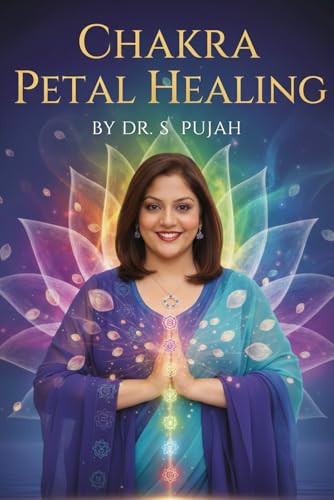
Majosta’s Chakra Petal Healing guide suits readers who want a reference built around chakra alignment and five-element balance while planning a daily practice.
See it on Amazon →Essential oils can support the atmosphere of this routine through scent and attention. Lavender is a common choice for a quieter evening; a bright citrus scent may suit a morning practice. Follow the product label, dilute oils before skin use, do not ingest them and stop if irritation occurs. chakra aromatherapy with essential oils offers a separate guide to using scent without treating it as medicine.
Keep therapy in the picture
Chakra work can sit alongside psychological therapy as a journalling, movement or breathing practice. Do not use it to explain away panic, depression, trauma symptoms or persistent physical changes, and do not delay professional care. Tell your therapist about intense reactions during meditation or breathwork so the practice can be adjusted safely.
Common Claims About Chakras and Emotions: What Is True and What Is Not
| Commonly claimed | Actually |
|---|---|
| The ancient Indian chakra system always had seven chakras in fixed positions. | Classical sources describe different numbers and locations. The familiar seven-chakra chart became dominant through modern teaching, especially after Western adaptations of tantric ideas. |
| Each chakra exactly governs a physical organ and a set of emotions. | Traditional and modern systems pair chakras with feelings and bodily areas, but these are symbolic correspondences rather than documented anatomical functions. |
| The rainbow chakra colours come from ancient Sanskrit texts. | The fixed rainbow sequence is a modern Western addition. Classical Sanskrit sources do not provide one universal seven-colour chart. |
| Balancing the chakras can cure illness or psychological conditions. | No scientific evidence supports chakra work as medical treatment. Meditation, breathing or movement may be used as complementary wellbeing practices, while illness needs assessment from a qualified professional. |
| A crystal removes an emotional blockage from a chakra. | Rose quartz, amethyst and citrine are popular choices in modern chakra practice, but no evidence shows that crystals remove blockages. Their value is better described as a focus for reflection or ritual. |
Frequently Asked Questions
Related Reading
- seven simple chakra balancing steps — A shorter routine for practising chakra balancing each day.
- the art of chakra balancing — A broader guide to chakra theory and balancing methods.
- chakra balance test — A self-reflection tool for identifying areas to examine.
- chakra balancing techniques for energy healing — Several techniques compared for a structured practice.
Sources
- Emotional Balance Chakra: Your Complete Guide to Inner Harmony — Modern emotional chakra associations and nervous system responses
- Balancing the 7 Chakras: Complete Guide to Energy Healing — Traditional seven-chakra emotional pairings
- Chakra Balancing: A Complete Guide to Your 7 Energy Centers — Moon Healing Alchemy | Moon Healing Alchemy — Popular chakra, crystal and affirmation correspondences
- How to Balance Your Chakras: Complete Guide + 5 Techniques — Modern chakra techniques and 4-7-8 breathing
- Chakra – Wikipedia — History of varying chakra counts and modern chakra interpretation

This article discusses chakra work as a complementary reflective practice, not a treatment; seek a qualified professional for persistent physical or psychological symptoms. As an Amazon Associate, Chakra Serenity earns from qualifying purchases. Prices and availability change, so check the listing before you buy.