Zen Balance: The Art of Harmonious Living
How mindfulness and simplicity create practical daily balance
Zen balance means harmonising mind, body and spirit through mindfulness, simplicity and connection with nature. It is a way of living that flows with life’s rhythms rather than opposing them, offering practical techniques to maintain balance every day.
Many seek ‘Zen balance’ to manage stress and find peace in modern life. Yet answers often mix vague spirituality with impractical advice.
Readers want clear, actionable steps that respect Zen’s emphasis on mindfulness and simplicity, not quick fixes or clichés.
This guide explains Zen balance as a lived art, connecting ancient principles with practical daily habits and the role of chakras in balance.
Zen Inspired Decor for Balance
Art that reflects harmony and calm to support your Zen space Links go to Amazon and earn this site a small commission at no extra cost to you.
Japanese Flying Cranes Wall Art
This canvas print features serene cranes symbolising harmony, enhancing a Zen space visually and emotionally. It suits living rooms or meditation areas needing calm imagery.
Skip it if: Skip if you prefer non-visual meditation aids or minimalist spaces without wall art.
Chakra Balancing: How To Balance Chakras Through Zen Principles
Chakra balancing means aligning the body’s energy centres to support physical and emotional well-being. Zen balance aids this process by fostering mindfulness, grounding, and compassion, which help clear blockages and restore flow.
The chakras are understood as centres of subtle energy within the body. Balancing them involves sensing where energy feels stuck or depleted and using focused attention to encourage harmony. Zen practices make this accessible by emphasising present-moment awareness and gentle acceptance rather than force.
Key Zen principles for chakra balancing include mindfulness, which sharpens awareness of bodily sensations; grounding, which connects you to the present and your physical self; and loving-kindness, which promotes emotional openness. For example, the root chakra (Muladhara) governs stability and safety, while the heart chakra (Anahata) relates to compassion and connection. Zen helps balance these by calming the mind and inviting acceptance of current feelings.
Daily steps to balance chakras through Zen include sitting quietly and noticing sensations in each chakra area, breathing calmly into any tension, and silently offering kindness to yourself. Movement practices like walking meditation support grounding, while mindful pauses during the day help maintain clarity.
Balancing chakras improves emotional resilience and physical ease by reducing mental clutter and fostering a sense of centredness. Zen balance encourages a gentle, patient approach rather than striving for quick fixes, recognising that chakra health is an ongoing process.
For a deeper understanding of chakra balancing techniques that complement Zen principles, see The Art of Chakra Balancing: A Comprehensive Guide.
Core Principles of Zen Balance
Zen balance is best described as a flow rather than a fixed state. It invites adapting to life’s changes with a calm, open mind instead of clinging to rigid ideals.
The philosophy values presence over perfection. It encourages focusing on what is happening now instead of striving for an impossible ideal. This shift reduces stress and sharpens clarity.
Zen follows the Middle Way, a path between extremes. This means avoiding both excess and deficiency, whether in work, rest, or emotion. Balance is found in moderation and flexibility.
At the heart of Zen balance lies mindfulness. This is the attentive observation of thoughts, feelings and sensations without judgement. Mindfulness anchors you in the present and supports wise, measured responses.
Simplicity and attunement to natural rhythms are also foundational. Life is seen as a cycle of seasons, energy and rest, and living in harmony with these cycles preserves balance and prevents burnout.
To explore Zen life balance through practical simplicity, consider reading Zen Art of Simplicity: Minimalism for Mindful Living and Zen Mindfulness: The Art of Present-Moment Awareness.
Practical Zen Balance Techniques for Daily Life
To balance your chakras and maintain Zen balance, integrate simple daily habits that centre your mind and body. Start each morning with mindful breaths. Sit comfortably and inhale slowly through your nose, counting to four. Hold briefly, then exhale through your mouth for a count of six. This rhythm calms the nervous system and sets a balanced tone for the day.
At midday, practise walking meditation. Walk slowly and deliberately, paying attention to each footstep and the sensations in your legs. This anchors you in the present and shifts your focus away from stress or distraction.
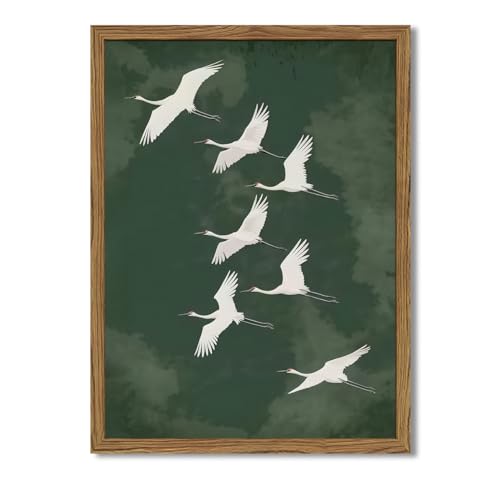
Place calming images like the Japanese crane wall art in your workspace to support a peaceful atmosphere and encourage mindful pauses.
See it on Amazon →In the evening, cultivate gratitude by listing three things that went well or brought joy. Writing them down reinforces positive emotions and helps balance your mental state before sleep.
Transitioning between work and home is critical. Create simple rituals such as washing your hands mindfully or changing clothes to mark the shift. These gestures help your mind release work concerns and enter a more relaxed mode.
Digital detox is another key practice. Set aside specific times without screens to prevent overstimulation. When working, focus on single-tasking instead of multitasking; this improves concentration and reduces mental clutter.
Zen Balance Through the Chakras
Chakra balancing aligns your body’s key energy centres, or chakras, to support physical stability, emotional calm and mental clarity. The root chakra (Muladhara) anchors you to the earth. Practise standing meditation or walk barefoot on natural ground to stimulate this chakra and strengthen your sense of security.
The sacral chakra (Svadhiṣṭhana) relates to creativity and emotional flow. Gentle hip-opening yoga poses and mindful breathing help clear blockages here. The solar plexus chakra (Manipura), linked to personal power and digestion, benefits from focused breathwork and core-strengthening exercises.
For the heart chakra (Anahata), cultivate compassion through heart-centred meditation and slow, deep breathing. Contemporary practices often include green stones like jade or rose quartz to aid focus, though these are modern additions rather than traditional.
The throat chakra (Vishuddha) governs communication. Use focused breathing exercises and chanting to enhance clarity. Visualising a blue light at the third eye chakra (Ajna) supports insight and mental clarity. The crown chakra (Sahasrara), associated with spiritual connection, is balanced through quiet meditation and awareness of breath.
Balancing chakras is a layered process combining physical postures, breath control, focused meditation, and sometimes visual or tactile aids. This practice is not fixed; it shifts with your mental and physical state, reflecting Zen’s principle of flow. Scientific evidence does not confirm chakras as physical entities, so balancing them is best understood as a symbolic meditation practice within Zen balance.
Overcoming Challenges to Zen Balance
Balancing your chakras through Zen principles faces specific obstacles in modern life, such as work overflow and digital overload. Setting clear boundaries for work hours prevents burnout and preserves mental clarity. This means defining when the workday ends and consciously stepping away from tasks.
Digital overload disrupts focus and chakra alignment. Establish tech-free hours daily to reclaim presence. Without screens, your mind can settle, supporting the throat and third eye chakras involved in communication and insight.
Mental clutter often blocks chakra balancing. Practise conscious breathing to calm the nervous system and clear the mind. Breathing slowly and deeply engages the root and heart chakras, grounding emotions and fostering calm.
Compassion and open communication ease tension that otherwise disturbs chakra balance. Expressing needs respectfully and listening enhances the heart and throat chakras, helping to resolve conflicts before they escalate.
Avoid overexertion and overplanning, which strain your energy centres. Zen balance values doing less with awareness rather than rushing through many tasks. Trust cycles of rest and action to keep chakras aligned and prevent exhaustion.
Sustaining Zen Balance Long-Term
Establish a weekly habit of self-reflection to sustain chakra balance. Use specific questions such as “Which moments this week felt balanced in my body and mind?” and “When did I experience tension or imbalance?” This practice builds self-awareness, enabling precise adjustments.
Integrate your chakra work with natural seasonal changes. For example, focus on the sacral chakra (Svadhiṣṭhana) in spring to support creativity and new projects, while winter invites attention to the crown chakra (Sahasrara) for introspection and clarity. This alignment with nature’s cycles helps maintain long-term harmony.
Cycle of sustaining Zen balance through reflection, adjustment, practice, and nature rhythms
View balance as a dynamic process. Regularly adjust your meditation, affirmations, breathwork, or yoga poses based on your reflections. This ongoing cycle keeps your chakras responsive rather than fixed.
Observe how nature endures through change by adapting to its rhythms. This mindset supports chakra balance by encouraging flexibility and patience in your practice.
Common Misconceptions About Zen Balance and Chakra Balancing
| Commonly claimed | Actually |
|---|---|
| Zen balance means being calm all the time | Zen balance involves adapting to life’s changes with mindfulness, not constant calmness |
| Chakra balancing requires complex rituals only experts can do | Basic chakra balancing uses simple daily mindfulness and breathing techniques anyone can practise |
| Crystals are essential for effective chakra balancing | Using crystals is a modern addition; traditional Zen balance focuses on meditation and nature connection |
| Zen balance is a fixed state once achieved | It is a dynamic flow that requires ongoing attention and adjustment to remain effective |
| Mindfulness alone is enough to balance chakras | Mindfulness is central but must be combined with physical awareness and lifestyle habits for full balance |
Frequently Asked Questions
Related Reading
- Chakra Balance Test — Assess your current chakra alignment
- Zen Aesthetics: Minimalist Beauty and Serenity — Explore minimalist art principles for calm spaces
- The Art of Simplicity in Zen — Learn practical simplicity for peaceful living
- Finding Harmony in Zen — Guidance on cultivating inner peace

The article covers lifestyle and mindfulness practices; consult a qualified professional for health concerns. As an Amazon Associate, Chakra Serenity earns from qualifying purchases. Prices and availability change, so check the listing before you buy.