Best Essential Oils for Crown Chakra: Top Picks for Ultimate Balance
Clear guide to top oils, usage, safety and blending for spiritual practice
Frankincense, Sandalwood, Lavender, Rose, Helichrysum, Vetiver, and Lotus essential oils are among the best oils for the crown chakra. They support relaxation, meditation, and spiritual connection when used safely and thoughtfully.
Many seek essential oils to enhance crown chakra balance, aiming for spiritual connection and peace. However, common advice often repeats tradition without practical details or safety guidance.
Readers frequently ask which oils truly suit the crown chakra, how to blend them, and whether there is scientific support for their effects. The topic mixes ancient beliefs with modern aromatherapy practices.
This guide clarifies which oils work best for the crown chakra, explains their traditional and popular uses, corrects common misconceptions, and offers practical, safe application methods to integrate oils into meditation and chakra practice.
Essential Oils and Blends for Crown Chakra
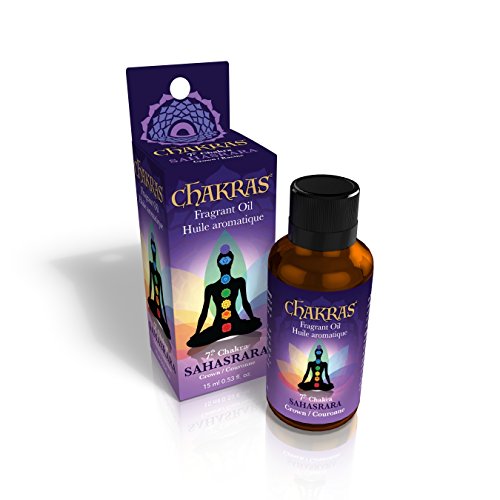
Top picks with clear features to support your chakra work Links go to Amazon and earn this site a small commission at no extra cost to you.
Devinez Crown Chakra Essential Oil Blend
This blend combines Myrrh and Lavender with a clear quartz gemstone to support meditation and spiritual focus during diffusion or topical use.
Skip it if: Skip it if you prefer a single-note essential oil rather than a blend.
Best Essential Oils for Crown Chakra: Uses and Benefits
Frankincense, Sandalwood, Lavender, Rose, Helichrysum, Vetiver, and Lotus essential oils are traditionally linked to the crown chakra. Each oil suits this chakra due to its aroma, traditional use in meditation, or chemical properties.
The crown chakra, or Sahasrara, is symbolised by a thousand-petalled lotus at the top of the head and governs spiritual connection, wisdom, and a sense of oneness. Frankincense contains sesquiterpenes, compounds believed in aromatherapy to cross the blood-brain barrier and support mental clarity, though no scientific evidence confirms this. It has been used in meditation to promote spiritual liberation and tranquillity.
Sandalwood oil is prized for its warm, woody aroma that quiets mental chatter and fosters inner peace. Lavender’s floral scent calms the mind and supports spiritual openness, making it a staple for relaxation during crown chakra practices. Rose essential oil is often said to enhance spiritual insight and harmony, though the idea of a ‘spiritual frequency’ lacks scientific backing.
Helichrysum is reputed in traditional aromatherapy to cut through psychological barriers and aid spiritual growth. Vetiver offers grounding qualities with an earthy aroma, promoting vivid dream recall while supporting openness. Lotus, often symbolising purity and spiritual awakening, is used for its gentle, sweet scent to encourage meditation focus.
Popular belief links these oils to the crown chakra based on their effects on mood and meditation support rather than proven physiological changes in chakra energy. Scientific studies do not confirm essential oils can balance chakras, but they influence relaxation and mental states relevant to spiritual connection.
Frankincense
Used in spiritual practices for tranquillity; contains sesquiterpenes linked to brain oxygenation in aromatherapy belief.
Sandalwood
Aids in calming the mind and fostering inner peace during meditation.
Lavender
Promotes relaxation and spiritual openness with a floral, soothing scent.
Rose
Believed to enhance spiritual insight and harmony, popular in meditation blends.
Helichrysum
Traditionally used to remove psychological barriers and support spiritual growth.
Vetiver
Grounding oil that supports spiritual openness and vivid dream recall.
Lotus
Symbolic for purity and awakening, used to aid meditation focus.
Traditional vs Scientific
These oils are linked to the crown chakra mainly by their traditional uses and effects on mood. There is no scientific evidence that essential oils directly affect chakra energy.

This blend combines Myrrh and Lavender essential oils, traditionally linked to crown chakra balance and meditation support.
See it on Amazon →How to Use Essential Oils for Crown Chakra Balancing Safely
Balancing the crown chakra with essential oils involves diffusion, topical application with carrier oils, and inhalation. Each method has benefits and safety considerations, especially since the crown chakra is located at the top of the head.
Diffusion disperses oils into the air, creating a calming environment suitable for meditation or yoga. Topical application requires diluting essential oils in a carrier oil to avoid skin irritation. Common carrier oils for crown chakra blends include jojoba, sweet almond, and fractionated coconut oil, chosen for their light texture and low allergenicity.
Inhalation involves smelling oils directly from a bottle or a tissue. This method provides a quick way to access the oil’s aroma without skin contact. It is important to avoid undiluted essential oils on the scalp or face to prevent irritation or allergic reactions.
- Dilute Essential OilsUse a 1-2% dilution (1-2 drops essential oil per teaspoon of carrier oil) for topical use near the head.
- Patch TestApply a small diluted amount on the inner forearm and wait 24 hours to check for adverse reactions.
- Choose Carrier OilsSelect jojoba, sweet almond, or fractionated coconut oil for dilution; avoid heavy or comedogenic oils on the scalp.
- Use DiffusersAdd 5-8 drops to a diffuser for 15-30 minutes during meditation or relaxation sessions.
- Limit FrequencyUse crown chakra oils no more than twice daily to prevent sensitisation or irritation.
Safety Near the Head
Avoid applying undiluted oils directly on the scalp or face. Essential oils are potent and can cause irritation, headaches or allergic reactions if misused.
Are chakra oils the same as essential oils? Chakra oils are usually blends formulated with essential oils targeting specific chakras. Pure essential oils can be used alone or in blends for this purpose.
Following these guidelines ensures safe, effective use of essential oils for the seventh chakra, enhancing meditation and spiritual connection without harm.
Blending Essential Oils for Crown Chakra: Recipes and Tips
Effective essential oil blends for the crown chakra combine oils that complement each other to create balanced aromas and synergistic effects. Frankincense, lavender, rose, and helichrysum are common base oils because they promote relaxation and spiritual openness.
Start with a simple formula: 3 drops frankincense, 2 drops lavender, 1 drop rose. This blend supports meditation and calm. For a stronger floral note, add helichrysum or sandalwood, which deepens the scent and adds grounding qualities. Adjust the ratios to suit your preferences and the intended use, such as yoga or relaxation.
- Choose base oilsSelect frankincense and lavender for their calming, spiritual properties.
- Add complementary oilsInclude rose or helichrysum to enhance harmony and spiritual insight.
- Adjust blend strengthStart with small amounts; increase drops for a stronger aroma.
- Test your blendDiffuse or apply diluted to skin to check scent and effect before regular use.
- Store blends properlyKeep in dark glass bottles, away from heat and light to preserve potency.
Blend Balance
Combining too many oils can create an overpowering aroma that hinders meditation. Aim for three to four oils per blend.
Blends for chakra balancing often include oils linked to each chakra’s qualities. For the crown chakra, blends focus on oils that promote spiritual connection and mental clarity rather than stimulating or grounding effects. This contrasts with blends for the root or sacral chakras, which tend to use warmer, earthier scents.
When blending, consider the context: a meditation blend might favour frankincense and sandalwood for stillness, while a relaxation blend may lean more on lavender and rose. Always dilute blends with a carrier oil if applying topically to avoid irritation.
For more detailed recipes and to explore blends for the other chakras, see Best Essential Oils for Chakra Balancing: Top 7 Aromatherapy Blends.
Integrating Crown Chakra Oils into Meditation and Spiritual Practice
Using essential oils during meditation or spiritual practice supports focus and a sense of calm when chosen and applied thoughtfully. The timing of use matters: applying or diffusing oils just before or during meditation can deepen relaxation.
- Prepare your spaceDiffuse your chosen crown chakra blend or apply a diluted drop to pulse points before meditation.
- Set an intentionFocus your mind on spiritual connection or inner peace as you inhale the aroma.
- Maintain mindfulnessNotice the scent without distraction, avoiding sensory overload by limiting oil quantity.
- Combine with breathworkSynchronise inhalation of the aroma with slow, deep breathing to enhance calm.
Devinez Crown Chakra blend offers a balanced mix of myrrh and lavender with a clear quartz gemstone, aiding intention setting and focus.
See it on Amazon →Aroma can serve as an anchor during meditation, helping to bring the mind back when it wanders. Avoid overuse; a few drops in a diffuser or a single topical application is sufficient. Excessive scent can overwhelm and reduce concentration.
Combining essential oils with intention setting strengthens the practice by linking the sensory experience to spiritual goals. For example, inhaling frankincense while mentally repeating a mantra about wisdom can enhance the sense of connection.
Mindfulness Tip
Use oils to enhance, not replace, meditation focus. The scent is a tool, not a guarantee of spiritual insight.
For more on using essential oils to balance chakras during meditation, see Essential Oils for Chakras: A Complete Guide to Energy Healing.
Historical and Cultural Origins of Crown Chakra Essential Oils
The crown chakra, or Sahasrara, is traditionally located at the top of the head and symbolised by a thousand-petalled lotus in Indian spiritual systems. This chakra represents spiritual connection, wisdom, and bliss. Ayurvedic and tantric texts associate certain herbs and aromatic substances with this chakra to support meditation and spiritual practices.
Frankincense (Boswellia sacra) has a long history in Indian rituals and is mentioned in ancient Indian scriptures as a purifier and aid for spiritual liberation. Its resin was burned during meditation and prayer to promote calm and transcendence. Sandalwood, derived from the Santalum album tree native to India, is another sacred substance with a documented role in meditation practices. It is valued for its calming, grounding aroma that quiets mental chatter.
Rose and lotus flowers also hold symbolic and practical importance. Rose has been prized in Ayurvedic medicine and devotional offerings for its association with love, compassion, and spiritual insight. The lotus, a symbol of purity and spiritual awakening, appears frequently in yogic and tantric iconography; its essential oil or absolute is used in modern aromatherapy for its gentle, uplifting scent.
Documented tradition
The crown chakra’s link to these botanicals appears in classical texts on yoga and tantra, such as the Upanishads and later tantric scriptures, though essential oils as we know them today are a more recent development in Indian practice.
Traditional use differs from modern aromatherapy, which emerged in the West in the 20th century. Aromatherapy incorporates oils like helichrysum and vetiver, which are less common in classical Indian texts but are valued today for their complementary effects on relaxation and spiritual openness.
While tantric and yogic traditions focus on energetic and meditative qualities, modern spiritual practices often attribute specific “frequencies” or “energies” to oils like rose and frankincense. These ideas are contemporary and reflect Western interpretations rather than documented Indian history.
Clarification
Essential oils linked to the crown chakra today combine historic ritual use of frankincense, sandalwood, rose, and lotus with modern aromatherapy’s expanded repertoire and symbolic meanings.
Scientific Evidence and Common Myths about Essential Oils and Chakras
There is no scientific evidence that chakras are physical entities that can be measured, manipulated, or unblocked by essential oils. Chakras remain a traditional concept from spiritual systems, not a subject of empirical science. Essential oils influence mood and relaxation, but their effects on chakras themselves are unproven.
Studies have documented that certain essential oils, including lavender and sandalwood, can reduce anxiety and promote calm through olfactory pathways affecting the limbic system. These effects support meditation and a relaxed state, which may help practitioners feel spiritually connected, but do not demonstrate changes to chakras as energy centres.
Common myth
Claims that frankincense essential oil oxygenates the pineal gland or crosses the blood-brain barrier lack scientific support. These ideas circulate in aromatherapy circles but are not validated by research.
Similarly, the notion that rose essential oil emits the “highest spiritual frequency” is a modern spiritual belief without measurable backing. “Spiritual frequency” has no basis in scientific literature and is a metaphorical or symbolic term rather than a physical property.
Users of essential oils for crown chakra balancing can expect the psychological benefits of scent—such as relaxation, mood enhancement, and focus—rather than direct energetic changes. Aromatherapy aids the conditions for meditation and mindfulness but does not manipulate chakras as an anatomical or energetic system.
The crown chakra (Sahasrara), symbolised by a lotus at the top of the head, anchors these aromatherapy practices.
Commonly Claimed vs Actually About Crown Chakra Essential Oils
| Commonly claimed | Actually |
|---|---|
| Frankincense essential oil can directly oxygenate the pineal gland and alter brain function | There is no scientific evidence that essential oils cross the blood-brain barrier or oxygenate brain glands; this belief comes from aromatherapy traditions. |
| Rose essential oil has the highest spiritual frequency of all essential oils | The idea of a ‘spiritual frequency’ is a modern spiritual belief without scientific measurement or backing. |
| Essential oils can unblock and balance chakras as measurable energetic centres | Chakras are traditional concepts not measurable by science; essential oils affect mood but do not physically balance chakras. |
| Using essential oils topically on the crown chakra is always safe | Essential oils can cause skin irritation or sensitivities, especially on the head; dilution and patch testing are necessary. |
| All essential oils labelled for chakras have ancient origins linked to those chakras | Many associations between oils and chakras are modern or from different cultural traditions, not always ancient Indian texts. |
Frequently Asked Questions
Related Reading
- How to Balance Your Crown Chakra — Seven practical methods for crown chakra balance
- Where Is the Crown Chakra? Location & Spiritual Significance — Detailed location and symbolism of the crown chakra
- Unlock Your Crown Chakra: Gateway to Spiritual Enlightenment — Spiritual practices linked to crown chakra activation
- 7 Simple Steps To Balance Your Chakras — Stepwise guide covering all chakras
Sources
- Top 10 Crown Chakra Essential Oils — Traditional and popular beliefs about crown chakra oils
- Crown Chakra Essential Oils: DIY Recipes and Diffuser Blends – Loving Essential Oils — Usage methods and essential oil blends for crown chakra
- Crown Chakra Essential Oils: Top Aromatherapy for Spiritual Balance — Historical and cultural origins of crown chakra oils
- What essential oils are best for the most powerful chakra? — Safety and scientific evidence about essential oils and chakras
The article covers traditional uses, safety, and scientific evidence for crown chakra essential oils without addressing medical treatments; consult a qualified professional for health issues. As an Amazon Associate, Chakra Serenity earns from qualifying purchases. Prices and availability change, so check the listing before you buy.