Best Quality Chakra Bracelet for Ultimate Healing and Energy Balance

A clear, evidence-based guide to quality, stones and care
Best quality chakra bracelets are handmade with authentic natural gemstones corresponding to the seven chakras. They support energy balance and meditation but have no scientific proof of medical healing. Verify stones, understand design choices, and maintain your bracelet for lasting benefit.
Many people look for chakra bracelets to support meditation and mindfulness but find conflicting advice online.
Claims about ancient origins, guaranteed healing, and universal stone correspondences often confuse buyers.
This guide clarifies traditional and modern realities, how to identify real stones, and how to choose and care for quality chakra bracelets.
Recommended Chakra Bracelet Guide
Choose from top-quality bracelets with authentic stones and design Links go to Amazon and earn this site a small commission at no extra cost to you.
Chakra Petal Healing Guide
This guide explains chakra energy alignment and five-element balance with clear instructions and authentic knowledge.
Skip it if: Skip if looking for physical bracelets rather than educational material.
Best Quality Chakra Bracelet for Ultimate Healing and Energy Balance
A best quality chakra bracelet combines authentic natural gemstones, handmade craftsmanship, and an adjustable design to suit various wrist sizes. These bracelets feature stones corresponding to the seven chakras, supporting meditation and energy balance, though they have no scientific proof of medical healing.
Each of the seven chakras relates to specific stones traditionally paired in chakra bracelets. For example, the Muladhara (root chakra) often uses Red Jasper or Black Tourmaline, while the Anahata (heart chakra) commonly features Green Aventurine or Rose Quartz. These stones are believed to support the chakra’s function during meditation or mindfulness practice.
The seven chakras as used in modern chakra bracelets, with Sanskrit names.
Quality chakra bracelets are usually handmade to ensure that each bead is genuine and well-set. Adjustable closures or sizing options accommodate different wrist measurements and improve comfort. Many include protective symbols such as the Evil Eye, which is thought in popular belief to ward off negative influences, though this is a modern addition rather than a classical feature.
- Seven chakra stones arranged in order from root to crown
- Handmade with natural, untreated gemstones
- Adjustable sizing or elastic bands for fit
- Optional protective symbols like the Evil Eye
Single chakra bracelets focus on one chakra and its stones, allowing targeted support or meditation aid. Seven chakra bracelets combine all seven stones, offering a general balance across all energy centres. The choice depends on personal intention and the wearer’s familiarity with chakra work.
Healing Claims
There is no scientific evidence that chakra bracelets cure or treat medical or psychological conditions. Their role is supportive and symbolic in meditation and mindfulness, not therapeutic.
Searches like “7 chakras volcanic stone energy bracelet” often refer to bracelets using natural volcanic stones dyed or paired with chakra-specific gems. “Does Lee have chakra bracelet” or “protection bracelet” queries indicate interest in bracelets featuring protective symbols or endorsed by public figures; such details depend on individual sellers or brands, not standard chakra bracelet features.
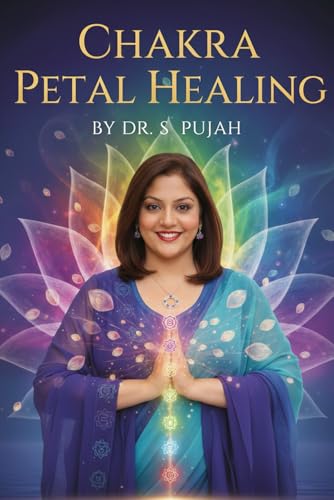
This guidebook clarifies chakra meanings and stone correspondences, helping buyers select bracelets matching their energy goals.
See it on Amazon →How to Verify Gemstone Authenticity in Chakra Bracelets
Authenticity of the stones in a chakra bracelet is essential for those who value genuine natural gemstones. Visual inspection is the first step. Genuine stones usually have subtle variations in colour and surface texture, while synthetic or dyed beads often appear uniformly coloured or overly glossy.
Beware of Dyed or Synthetic Stones
Many vendors sell dyed agate or glass beads as natural stones. These may look convincing but lack the mineral properties of genuine gemstones.
- Check Colour and SurfaceLook for natural imperfections such as inclusions or slight colour variations within each bead.
- Ask for Vendor CredentialsBuy from reputable sellers who provide certificates or guarantees of authenticity.
- Perform Basic Hardness TestsNatural stones have specific hardness levels; for example, quartz scores 7 on the Mohs scale and resists scratching by softer materials.
- Compare Weight and TemperatureNatural stones tend to feel heavier and cooler to the touch than plastic or glass beads.
The green beads on healing bracelets often correspond to stones like Green Aventurine or Jade. These stones have distinct textures and hardness that help differentiate them from dyed substitutes.
Limitations of Home Testing
Some tests require equipment or expertise to measure refractive index or identify treatments. For certainty, professional gemological services are recommended.
Authenticity matters because energy balance claims rely on the specific mineral properties and natural origin of the stones. Using synthetic beads may conflict with the wearer’s intention for genuine chakra support.
The Historical Origin and Modern Evolution of Chakra Bracelets
The chakra system originates in classical Indian texts, but the number and depiction of chakras vary widely. Early sources mention five to eight chakras, not the fixed seven commonly shown today. Colours also differ across traditions, with no single authoritative palette.
The familiar seven-chakra rainbow chart is a product of modern Western adaptation, combining elements from various sources for simplicity and visual appeal. This chart pairs each chakra with a specific colour and, by extension, particular gemstones. However, classical texts do not assign stones or colours systematically.
Chakra bracelets themselves are a contemporary invention, merging traditional chakra concepts with modern jewellery and wellness trends. Historical Indian culture does not document the use of bracelets explicitly designed to represent or influence chakras.
Documented fact
The Flag Code of India, established in 2002, specifies the Ashoka Chakra with 24 spokes but does not relate to chakra bracelets or healing practices.
Protective symbols like the Evil Eye often appear in chakra bracelets today but have no connection to classical chakra teachings. They originate from different cultural traditions and were later incorporated as popular protective motifs.
Popular belief holds that chakra bracelets facilitate healing by balancing energy centres. Yet, there is no scientific evidence supporting chakra bracelets as medical treatments. Their value lies in meditation reminders and personal intention rather than proven physiological effects.
The modern chakra bracelet blends ancient symbolism with present-day craft. Understanding this evolution helps buyers see bracelets as meaningful adornments rooted in diverse traditions, not fixed ancient prescriptions.
Differences Between Single Chakra and Seven Chakra Bracelets
Single chakra bracelets focus on one specific energy centre, using stones associated with that chakra. For example, a root chakra bracelet might feature Red Jasper or Hematite to target grounding and stability.
Seven chakra bracelets include seven distinct stones, each representing one of the main chakras from Muladhara (root) to Sahasrara (crown). Their purpose is to encourage overall balance rather than address one area.
| Aspect | Single Chakra Bracelet | Seven Chakra Bracelet |
|---|---|---|
| Purpose | Targeted healing or focus | General energy balance |
| Stones | One type or colour | Seven distinct stones |
| Design | Often simpler, smaller beads | Varied bead sizes and colours |
| Charms | May include specific symbols | May include protective symbols |
| Adjustability | Usually adjustable or sized | Adjustable to fit various wrists |
Key differences between single and seven chakra bracelets
Design choices reflect their intended use. Single chakra bracelets often use uniform beads and minimal adornment to concentrate on one chakra. Seven chakra bracelets feature a spectrum of colours and may include charms for protection or meditation aids.
Adjustability matters for both types but is especially important for seven chakra bracelets, which need space to display all seven stones clearly. Sizing also affects how the bracelet sits and its comfort during meditation or daily wear.
Choosing between single and seven chakra bracelets depends on your goals. Use a single chakra bracelet to focus on one area or a seven chakra bracelet for comprehensive energy balancing and visual variety.
For detailed information on stone correspondences and meditation support, see Chakra Colors: A Guide to Energy Healing.
Care and Maintenance of Your Chakra Bracelet
Proper care preserves the appearance and integrity of chakra bracelets. Natural gemstones require gentle cleaning to avoid damage. Use a soft, damp cloth and mild soap if necessary. Avoid soaking beads in water or using harsh chemicals, which can erode surface polish and colour.
Direct sunlight can fade some stones over time, especially dyed beads. Store your bracelet in a shaded, dry place to maintain its vibrancy. Keep it separate from other jewellery to prevent scratches and tangling.
Bead size and material influence cleaning and handling. Larger or porous beads like lava stones absorb moisture and oils, so wipe them dry promptly. Smaller beads may be more delicate and prone to breakage if handled roughly.
Bracelets strung on stretch cords will loosen or snap with prolonged use. Check your bracelet regularly and restring it when beads start to feel loose or the cord shows wear. Repair promptly to avoid loss of stones.
- Wipe beads gentlyUse a soft cloth dampened with water to clean each bead.
- Avoid chemicals and sunlightKeep the bracelet away from perfumes, lotions, and direct sun exposure.
- Store separatelyPlace your bracelet in a soft pouch or box to protect it.
- Check stringingInspect the cord or thread for signs of wear monthly.
- Restring when neededIf the bracelet feels loose or cord frayed, restring or repair.
Handling tip
Removing your bracelet before washing hands or applying products extends its life.
The Meaning of Bead Sizes and Materials in Chakra Bracelets
Bead sizes in chakra bracelets typically range from 4mm to 10mm. Smaller beads feel lightweight and subtle, often chosen for comfort and a delicate look. Larger beads provide a tactile presence and emphasise the bracelet’s stones visually.
Natural gemstones are the preferred material for authenticity and traditional symbolism. Examples include Lapis Lazuli, associated with the Vishuddha throat chakra, commonly used in pendants or bracelets for its reputed support of communication and clarity.
Volcanic stones, like lava beads, are porous and absorb essential oils, adding a layer of aromatherapy. Dyed beads offer vibrant colours but require careful handling as the dye can fade or rub off.
Bead size affects durability; larger beads resist breakage better but may feel bulky. Smaller beads fit more wrists comfortably but can be fragile. The stringing method also matters: stretch cords offer easy wear, while braided cords provide strength and a different aesthetic.
Lapis Lazuli Bracelets for Throat Chakra
- Natural lapis lazuli is traditionally linked to the throat chakra and communication.
- It has a distinctive deep blue colour, often with pyrite flecks, valued for its beauty and symbolism.
- Suitable size and material options support comfortable daily wear.
Considerations for Lapis Lazuli Bracelet
- Dyed or synthetic lapis may not hold traditional symbolic meaning.
- Larger beads may feel heavy on smaller wrists.
- Natural stones require careful cleaning to maintain appearance.
Common Claims About Chakra Bracelets and What Is Actually True
| Commonly claimed | Actually |
|---|---|
| Chakra bracelets cure or treat medical conditions | There is no scientific evidence supporting medical or psychological cures from chakra bracelets; their benefits are reported in meditation and mindfulness contexts. |
| The seven chakra system and its coloured stones are ancient, universally agreed traditions | Classical Indian texts describe varying numbers and colours of chakras; the seven-chakra rainbow chart with specific stones is a modern Western development. |
| All chakra bracelets contain authentic natural stones | Not all sellers guarantee genuine gemstones; verifying authenticity requires checking the stones through trusted methods. |
| Protective symbols like the Evil Eye are traditional parts of chakra bracelets | Including protective symbols is a modern addition influenced by various cultures, not a classical part of chakra bracelets from Indian tradition. |
| Chakra bracelets work the same for everyone and all sizes or bead materials have the same effect | Bead size and material affect the bracelet’s look and durability rather than any universal energetic effect; personal preference guides choice. |
Frequently Asked Questions
Related Reading
- Chakra Bracelets: Guide to Energy Balancing Jewellery — Detailed buyer guide and types of chakra bracelets
- Chakra Bracelets: Energy Balancing Benefits & How They Work — Explains benefits and mechanisms behind chakra bracelets
- How to Balance All 7 Chakras: Step-by-Step Guide — Practical steps for chakra balancing
- Chakra Cleansing: Guide to Energy Balance — Methods to cleanse and refresh chakras and stones
Sources
- Crystal Bracelets, Chakra Healing Bracelets Gem Bands – Chakra & Aura — handmade chakra bracelets using natural beads
- Chakra Bracelets for Healing | Healing Sounds — stones correspond to chakras; bracelets aid mindfulness
- Chakra Bracelet | Authentic Chakra Healing Bracelets — authenticity, adjustable sizing, and protective symbols
- Seven Chakra Bracelets | 7 Chakra Bracelets – InJewels Healing Jewelry — use of protective symbols in chakra bracelets

Focuses on the historical, practical, and cultural aspects of chakra bracelets; does not cover medical advice or treatment. As an Amazon Associate, Chakra Serenity earns from qualifying purchases. Prices and availability change, so check the listing before you buy.