What are the Benefits of Chakra Balancing

How chakra balancing improves health, mind, emotions, and spirit
Chakra balancing promotes harmony among the seven energy centres, leading to better physical health, emotional stability, mental clarity, and spiritual connection. The practice improves overall well-being by aligning these centres through meditation, movement, and other methods.
Chakra balancing is a practice aimed at restoring harmony among the body’s energy centres. The explanations often mix traditional Indian concepts with modern interpretations, which can confuse what benefits this work realistically offers.
Some sources overstate claims or focus only on spiritual benefits, leaving out how chakra balancing can affect physical and mental well-being in practical ways.
This article clarifies the benefits based on traditional concepts, common experiences, and clear methods, helping readers know what to expect and how to practise effectively.
Recommended Reading on Chakra Balancing
A detailed guide to harmony and energy alignment Links go to Amazon and earn this site a small commission at no extra cost to you.
Chakra Petal Healing: A Complete Guide
This book covers energy alignment and the five-element balance clearly, suitable for beginners and advanced practitioners.
Skip it if: Skip it if you prefer shorter or more visual guides.
What Are the Benefits of Chakra Balancing
Chakra balancing offers multiple benefits, including improved physical health, emotional stability, mental clarity, increased vitality, better communication, and spiritual growth. These outcomes arise from aligning the body’s seven main energy centres, which many believe influence various aspects of well-being.
The seven main chakras in traditional order, showing their Sanskrit names.
Physical Health Improvements
Balancing chakras may support bodily functions linked to each chakra, such as digestion, immunity, and hormonal regulation, contributing to overall physical wellness.
Emotional Stability
Regular chakra work can help regulate mood and reduce stress, promoting a calmer, more balanced emotional state, especially through practices focused on the heart chakra.
Mental Clarity
Chakra balancing encourages clear thinking and better decision-making by reducing mental clutter and improving concentration, often associated with the third eye chakra.
Increased Energy and Vitality
Practices like a daily 30-minute chakra yoga flow or chakra dance can boost energy levels, enhance stamina, and reduce fatigue by stimulating the solar plexus and root chakras.
Better Communication and Relationships
Balancing the throat chakra supports clearer expression and listening skills, which can improve personal and professional relationships.
Spiritual Growth and Connection
Balancing the crown chakra fosters a sense of connection beyond the self, aiding spiritual awareness and personal insight.
The heart chakra, in particular, plays a key role in emotional benefits. Its balance promotes compassion, empathy, and healing from emotional wounds. This is why many seek specific heart chakra practices for emotional wellbeing.
Chakra yoga flows and chakra dance combine physical movement with focused attention on energy centres. A 30-minute daily practice can improve flexibility, release tension, and synchronise breath with movement, supporting both physical and energetic balance.
Better communication results from the throat chakra’s influence on self-expression. When this chakra is balanced, people often find it easier to articulate thoughts and feelings clearly, which strengthens relationships and reduces misunderstandings.
Mental clarity emerges as blockages clear, often through meditation or breathwork focused on the third eye chakra. This clarity helps with focus, problem-solving, and reducing overwhelm in daily life.
The rise in energy and vitality comes from stimulating lower chakras, which connect to the body’s physical grounding and metabolic systems. Practices targeting these chakras enhance endurance and promote a sense of groundedness.
Spiritual growth is a more subtle benefit but meaningful for many. Balancing the crown chakra aids in feeling connected to something greater, which can inspire personal insight and a broader perspective on life.
Many people combine these benefits by practising several chakra balancing techniques regularly. This supports a holistic sense of well-being, addressing body, mind, and spirit together.
For specific guidance on balancing all chakras effectively, see How to Balance All 7 Chakras: Step-by-Step Guide, which explains a clear sequence and the benefits of each step.
How Chakra Balancing Supports Physical Health
Each chakra corresponds to specific body parts and systems. For example, the root chakra (Muladhara) relates to the legs, feet, and lower spine. The solar plexus chakra (Manipura) connects to the digestive system, pancreas, and liver. When these chakras are balanced, they may support reduced physical tension and a sense of groundedness.
Balancing the root chakra is often linked to feelings of stability and physical vitality. It is believed that this can help ease discomfort or stiffness in the legs and lower back. Similarly, a balanced solar plexus chakra may promote better digestion and energy regulation, although these effects come from improved relaxation and body awareness rather than direct medical intervention.
No Medical Claims
Chakra balancing supports overall physical well-being but does not replace medical diagnosis or treatment. Physical symptoms should always be assessed by a qualified health professional.
Practices aimed at balancing chakras include meditation, breathwork, and specific postures that encourage circulation and release muscle tension. These practices improve body awareness, which can reduce unconscious holding patterns and stress-related physical symptoms.
The root chakra’s frequency benefits are part of modern chakra practice, where sound or vibration at certain frequencies is used to stimulate this energy centre. While many practitioners report a feeling of increased vitality and stability from these methods, scientific evidence is limited to subjective accounts.
Emotional and Mental Benefits of Chakra Balancing
Chakra balancing can improve mental health by fostering emotional openness and mental clarity. The heart chakra (Anahata) is associated with compassion and emotional connection. When balanced, it may help ease feelings of isolation or emotional blockages.
The third eye chakra (Ajna) relates to intuition and insight. Balancing this chakra often involves meditation that encourages focus and awareness, which can enhance mental clarity and decision-making.
Reported Effects
Many practitioners report reductions in anxiety and stress after chakra meditation, attributing these benefits to increased mindfulness and relaxation.
Scientific studies on chakra meditation show some overlap with mindfulness meditation benefits, including improved concentration, emotional regulation, and reduced stress. However, these effects are linked more to the meditation practice itself than to the chakra system specifically.
Meditation focused on chakras often incorporates breath control and visualisation, which help quiet the mind and improve attention. This combination supports mental focus and emotional balance in daily life.
Chakra Balancing Methods and Their Benefits
Chakra balancing involves practices designed to align and harmonise the seven energy centres. Meditation is the core method, focusing attention on each chakra to clear blockages and promote flow. This practice enhances concentration and emotional stability.
Yoga poses complement meditation by physically opening the body areas linked to each chakra. For example, Cobra Pose stimulates the heart chakra, while Warrior Pose targets the root chakra. A daily 30-minute chakra yoga flow improves flexibility and supports energetic balance.
- MeditationSit quietly and focus on each chakra in sequence, noticing sensations or emotions that arise.
- Chakra Yoga PosesPerform targeted poses that open each chakra’s area, holding each for several breaths.
- Crystals and Essential OilsUse crystals such as amethyst or carnelian, and essential oils like lavender or sandalwood, placed or diffused near you to support relaxation and focus.
- Healthy EatingChoose foods that correspond to each chakra’s colour and qualities, such as red fruits for the root chakra, to encourage physical and energetic nourishment.
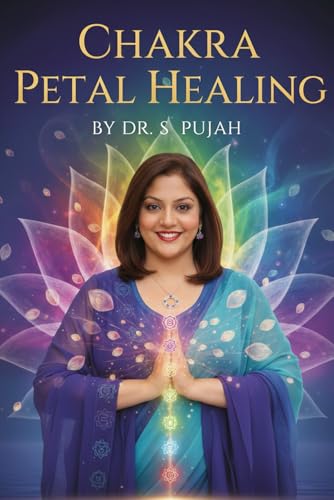
This guide provides detailed practices in meditation, yoga, crystals and oils, helping beginners and experienced practitioners alike.
See it on Amazon →Scientific Evidence and Myths Around Chakra Benefits
Scientific research supports meditation’s benefits for mental health, including stress reduction and improved focus. However, the chakras as energy centres lack direct measurement or proof in biomedical studies. They remain conceptual tools rather than physical entities.
Popular beliefs often blend traditional chakra ideas with assumptions about health effects. While many report feeling calmer or more centred, these outcomes likely arise from meditation and mindful practices rather than chakra-specific mechanisms.
Health Claims
Chakra balancing should not replace medical diagnosis or treatment. No scientific evidence shows chakra work cures or prevents disease. Use chakra practices as complementary methods, not primary healthcare.
Safety and effectiveness come from regular meditation and movement, mindful breathing, and cautious use of crystals or oils. Avoid expecting rapid cures or miracle outcomes. Understanding the limits of current evidence helps maintain realistic goals.
Practical Tips to Start Chakra Balancing Today
Chakra balancing begins with simple, daily steps that anyone can practise. Start with seated meditation focusing on each of the seven chakras in turn. Visualise their traditional colours and notice any sensations or emotions that arise. Five to ten minutes daily builds consistency and awareness.
- Prepare Your SpaceChoose a quiet spot where you won’t be disturbed. Sit with your knees lower than your hips on a firm cushion or folded blanket.
- Begin With Root ChakraFocus on the base of your spine, imagine a deep red light, and feel grounded and stable.
- Move UpwardSpend about a minute on each chakra, visualising its colour and location: sacral (orange), solar plexus (yellow), heart (green), throat (blue), third eye (indigo), and crown (violet).
- Use BreathInhale deeply through the nose and exhale slowly. Synchronise your breath with chakra focus to deepen relaxation.
- Incorporate Yoga PosesAdd simple poses like Tree for root chakra or Cobra for heart chakra to open and energise those areas.
- Apply Crystals and OilsHold or place crystals associated with each chakra and use essential oils with intention, such as lavender for crown or sandalwood for root.
- Note Sensations and ProgressKeep a journal to record physical feelings, emotions, or changes after each session.
Crystals and oils work best when used deliberately. For example, amethyst suits the crown chakra and promotes calm, while carnelian supports the sacral chakra and creativity. Essential oils like peppermint or eucalyptus can clear the throat chakra, aiding communication. Choose one or two that match your focus, and apply them sparingly to pulse points or diffuse in the room.
Root Chakra
Use red jasper or garnet crystals and sandalwood oil to enhance grounding and stability.
Sacral Chakra
Carnelian crystal and sweet orange oil boost creativity and emotional balance.
Solar Plexus Chakra
Citrine crystal and ginger oil support confidence and energy.
Heart Chakra
Rose quartz and lavender oil encourage compassion and calm.
Throat Chakra
Blue lace agate and eucalyptus oil aid clear communication.
Third Eye Chakra
Amethyst and frankincense oil improve intuition and mental clarity.
Crown Chakra
Clear quartz and sandalwood oil promote spiritual connection.
Tracking your experiences helps identify which chakras need more attention and which methods suit you best. Note physical sensations, moods, or mental clarity changes. This record guides adjustments and supports steady progress.
The practical steps above form a straightforward routine to begin chakra balancing. For a detailed sequence and more methods, see 7 Simple Steps To Balance Your Chakras.
Common Myths and Facts About Chakra Balancing
| Commonly claimed | Actually |
|---|---|
| Chakra balancing cures specific diseases | No scientific evidence supports chakra balancing as a cure; its benefits relate to relaxation and wellbeing. |
| There are exactly seven chakras described in ancient texts | Classical Indian texts describe different numbers of chakras; the seven-chakra system is a modern popularisation. |
| Using crystals can directly heal chakras | Crystals are part of contemporary practice but have no documented effect on chakras in historical texts. |
| Chakra balancing requires advanced spiritual training | Simple daily practices can balance chakras without any special training or ritual. |
| Chakra balancing is a medical treatment | It is a complementary practice for wellbeing, not a substitute for qualified medical advice. |
Frequently Asked Questions
Related Reading
- Chakra Bracelets: Energy Balancing Benefits & How They Work — How bracelets support chakra work
- Heart Chakra Frequency Benefits: Unlock Healing and Balance — Focus on heart chakra frequencies
- Third Eye & Heart Chakra: Benefits, Activation & Balancing — Detail on two key chakras
- The Art of Chakra Balancing: A Comprehensive Guide — In-depth chakra balancing methods

This article focuses on traditional and modern chakra practice without medical advice; consult health professionals for medical concerns. As an Amazon Associate, Chakra Serenity earns from qualifying purchases. Prices and availability change, so check the listing before you buy.