Chakra Test: Discover Your Energy Balance in 5 Minutes
Simple, practical steps to identify chakra imbalances and start healing
A chakra test is a simple questionnaire that shows which of your seven main chakras are balanced, overactive, or underactive. It helps you identify energy imbalances affecting your physical and emotional well-being.
Many people want to understand their chakra health but find available tests confusing or incomplete. Some questionnaires mix tradition with modern invention without clear explanation.
A clear chakra test focuses on the seven main chakras known in popular Western practice, offering practical insights on your energy balance.
This guide explains what a chakra test is, how to take it accurately, and how to interpret and act on your results for better energy balance.
Recommended Reading for Chakra Balance
A detailed guide covering chakra alignment and five-element balance Links go to Amazon and earn this site a small commission at no extra cost to you.
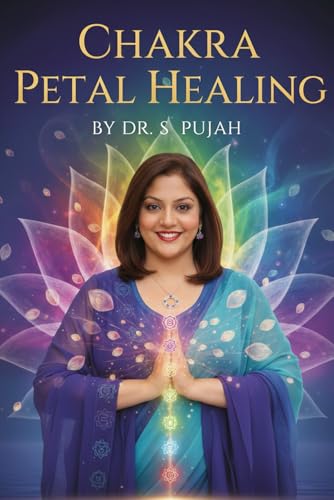
Chakra Petal Healing
This book offers in-depth coverage of chakra alignment and integrates five-element balance concepts, supporting a broad understanding of energy work.
Skip it if: Skip it if you prefer short, practical guides rather than detailed theoretical explanations.
Chakra Test: Discover Your Energy Balance in 5 Minutes
A chakra test is a brief questionnaire designed to reveal which of your seven main chakras are balanced, underactive, or overactive. This test helps you understand your energy distribution, which supports targeted chakra balance and energy healing.
The seven main chakras are energy centres located along the spine, each linked to physical, emotional, and mental functions. They are, from base to crown: Muladhara (root), Svadhisthana (sacral), Manipura (solar plexus), Anahata (heart), Vishuddha (throat), Ajna (third eye), and Sahasrara (crown).
Each chakra can be in one of three states. An underactive chakra may cause feelings of disconnection or lack of vitality. A balanced chakra functions harmoniously, supporting well-being. An overactive chakra might lead to overwhelm or excessive behaviour related to that chakra’s themes.
A typical chakra test presents 5 to 10 statements or questions per chakra, asking you to rate your agreement or experience on a scale, usually from 1 (low) to 5 (high). The whole test takes about five minutes to complete.
To get accurate results, take the test in a quiet space without distractions. Be honest and answer quickly to avoid overthinking. Your immediate emotional reaction often reveals the true state of each chakra.
Common Mistake
Overthinking answers or trying to guess the “right” response can distort your results. Trust your first impression for each question.
Once completed, scores for each chakra are tallied to show which chakras are balanced, underactive, or overactive. This profile guides which chakras need attention through energy healing or balancing practices.
The seven main chakras from root to crown, their Sanskrit names and positions.
A chakra test quickly assesses your seven chakras to identify imbalances. Honest, focused answers in a quiet setting produce the clearest insight to guide your chakra balance and energy healing.
How to Take a Chakra Test Accurately and Honestly
- Choose a quiet spaceFind a place free from noise and distractions to focus fully on the test.
- Answer immediatelyRespond to each question quickly without overthinking to capture your authentic feelings.
- Use a consistent scaleRate each statement on a clear numeric scale, such as 1 (not at all) to 5 (very much).
- Notice your emotionsPay attention to any strong feelings or reactions that arise during the test.
- Record your answers carefullyWrite down or enter your scores accurately to ensure reliable results.
- Retest after healingRepeat the test regularly after practising balancing techniques to track progress.
Avoid This
Do not rush through the test or second-guess your answers. Both reduce accuracy and usefulness.
The Seven Chakras and What Their Balance Reveals
The seven main chakras are energy centres aligned along the spine, from its base to the crown of the head. They are named the root, sacral, solar plexus, heart, throat, third eye, and crown chakras. Each chakra connects to specific physical, emotional, and psychological themes and is traditionally associated with a particular colour.
Root Chakra (Muladhara)
Located at the spine’s base, it governs grounding, survival instincts, and security. Its traditional colour is deep red. Imbalance may show as anxiety, restlessness, or physical symptoms like digestive disturbances or sensations in the lower abdomen, sometimes described as intestinal vibrations.
Sacral Chakra (Svadhisthana)
Just below the navel, it relates to creativity, sexuality, and emotional fluidity. Orange is its colour. Signs of imbalance include emotional instability, lack of passion, or difficulties with intimacy and pleasure.
Solar Plexus Chakra (Manipura)
Above the navel, this chakra influences personal power, self-confidence, and digestion. Yellow is its colour. Imbalance may cause low self-esteem, control issues, or digestive discomfort.
Heart Chakra (Anahata)
At the chest centre, it governs love, compassion, and emotional openness. Its colour is green. Imbalance can appear as emotional wounds, difficulty trusting or forming relationships, or physical issues in the chest area.
Throat Chakra (Vishuddha)
At the throat, it manages communication and truthful self-expression. Blue is its colour. Blockage may cause fear of speaking out, difficulty expressing feelings, or frequent throat infections.
Third Eye Chakra (Ajna)
Between the eyebrows, it relates to intuition, clarity, and insight. Its colour is indigo. Imbalance often shows as confusion, poor concentration, or scepticism towards inner guidance.
Crown Chakra (Sahasrara)
At the top of the head, it represents spiritual connection and consciousness. Violet or white is its colour. Imbalance may manifest as spiritual disconnection, cynicism, or feelings of alienation.
A chakra test assesses your emotional and physical state to suggest which chakras are balanced, overactive or underactive. For example, frequent digestive issues may point to solar plexus imbalance, while persistent throat problems could indicate a throat chakra blockage. These tests rely on self-reported symptoms tied to each chakra’s traditional themes rather than medical diagnosis.
Chakra Tests and Medical Diagnosis
No scientific evidence supports chakra tests as tools to diagnose medical or psychological conditions. They reflect personal perceptions of well-being, not clinical assessment.
A person can experience imbalance in more than one chakra simultaneously. Symptoms often overlap, so chakra tests offer a profile rather than a definitive diagnosis. Interpreting mixed results helps focus your chakra healing practice where it may benefit you most.
Chakra correspondences vary between traditions and teachers. The seven-chakra system and its colour associations are a modern synthesis popularised in the 20th century, blending ancient Indian concepts with Western psychology. A chakra test is therefore a contemporary tool reflecting this blend, not a direct transmission from classical texts.
Common Patterns in Chakra Imbalance and What They Mean
Chakra blockage describes when one or more chakras do not flow energy smoothly. This disrupts emotional and physical well-being. Chakra cleansing and balancing are practices aimed at clearing these blockages and restoring harmony.
Overactive Lower Chakras
Too much energy in the root, sacral, or solar plexus chakras can cause materialism, restlessness, or aggression. This imbalance often appears as a preoccupation with security, pleasure, or control.
Underactive Upper Chakras
The throat, third eye, and crown chakras may become underactive, leading to disconnection from intuition, poor communication, or spiritual confusion. This imbalance can feel like mental fog or emotional numbness.
A blocked heart chakra often results from emotional trauma or guardedness. It can make it difficult to form close relationships, leading to feelings of loneliness or bitterness.
These imbalances affect daily life by influencing mood, decision-making, and physical health. Noticing recurring patterns helps prioritise which chakras to focus on for balancing. Techniques like meditation, breathwork, and focused movement support this process.
For clear guidance on chakra cleansing and balancing, consult chakra cleansing resources and step-by-step chakra balancing guides.
Methods to Heal and Balance Your Chakras After Testing
After identifying imbalances with a chakra test, focus on practical methods that address specific chakras. Start by selecting crystals linked to the affected chakras. For instance, red jasper targets the root chakra, while amethyst supports the crown chakra. Rest with these stones placed over the chakra points during meditation to aid concentration and relaxation.
Colour visualisation meditation enhances chakra balance. Sit quietly and sequentially visualise each chakra’s colour—begin with deep red at the root and move upward through orange, yellow, green, blue, indigo, to violet at the crown. Imagine the chakra spinning and glowing to improve your focus and calm.
Essential oils provide sensory support aligned to chakra locations. Use patchouli or cedarwood for the root chakra and lavender or sandalwood for the crown. Diffuse or apply diluted oils on pulse points during meditation or yoga for additional connection.
Practising yoga poses that correspond to chakra areas can stimulate and balance them physically. The bridge pose opens the heart chakra, while the shoulder stand engages the throat chakra. Regular practice helps maintain flow and ease blockages.
Repeat the chakra test after four to six weeks of consistent practice. This helps track progress and signals which chakras need continued or adjusted attention.
- Place CrystalsSelect stones linked to your imbalanced chakras and place them on the body during meditation or rest.
- Visualise ColoursFocus on each chakra’s colour, imagining it spinning and glowing to bring balance.
- Use Essential OilsDiffuse or apply oils associated with each chakra during your practice.
- Practice YogaPerform poses targeting the physical location of chakras to stimulate flow.
- Retest Your ChakrasAfter several weeks, retake the chakra test to evaluate changes and refine your approach.
This guide provides clear instructions and additional techniques for effective chakra balancing, suitable for both beginners and experienced practitioners.
See it on Amazon →How Chakra Tests Fit Into a Broader Energy Awareness Practice
Regular chakra testing tracks subtle shifts in your energy balance over time, helping to guide your healing focus. Taking a test monthly or quarterly reveals patterns and progress, allowing you to prioritise chakras that need attention.
Chakra tests are tools for self-awareness and energy healing. They do not replace medical diagnosis or treatment. A chakra imbalance may reflect emotional or physical conditions, but a proper health assessment requires consultation with qualified professionals.
Health Caution
Do not use chakra tests as a substitute for medical advice. Always consult a healthcare professional for symptoms or conditions that affect your well-being.
Common Claims About Chakra Tests vs Reality
| Commonly claimed | Actually |
|---|---|
| Chakra tests can diagnose medical diseases. | Chakra tests are self-assessment tools indicating energy balance, not medical diagnostics, and have no scientific basis for diagnosing diseases. |
| An overactive chakra is always harmful and must be suppressed. | An overactive chakra may reflect heightened traits but is not inherently harmful; balance involves understanding and regulation, not suppression. |
| Chakra colours are the same in every tradition and historic text. | The rainbow colours linked to chakras are a modern Western convention; classical Indian texts often describe chakras differently or with fewer colours. |
| A single chakra test can give a permanent assessment of your energy. | Chakra balance fluctuates with time and circumstances; regular testing reveals shifts rather than fixed states. |
| Chakra cleansing instantly removes all blockages and symptoms. | Chakra cleansing is a gradual practice; immediate effects are rare and depend on consistent effort and other supportive methods. |
Frequently Asked Questions

As an Amazon Associate, Chakra Serenity earns from qualifying purchases. Prices and availability change, so check the listing before you buy.