Discover the 12 Chakras: Beyond the 7 Energy Centres Explained
Understand all 12 chakras, their roles, and how to work with them effectively.
The 12 chakras include the traditional seven energy centres plus five higher chakras that connect to spiritual and cosmic dimensions. Together, they provide a fuller map of subtle energy in the body and beyond.
The traditional chakra system includes seven main centres aligned along the spine. Some teachings and modern practitioners identify five additional chakras, making a total of 12.
Information about the 12 chakras can be confusing or incomplete online, mixing ancient tradition, modern invention, and personal interpretation.
This guide explains the 12 chakras clearly, distinguishing documented and traditional knowledge from contemporary practices, helping you understand and work with them.
Explore Chakra Alignment with a Guidebook
A detailed resource for understanding and balancing the 12 chakras. Links go to Amazon and earn this site a small commission at no extra cost to you.
Chakra Petal Healing: A Complete Guide
This guidebook explains the 12 chakras in detail, including their functions and methods to balance them. It suits readers seeking a structured approach to energy alignment and elemental balance.
Skip it if: Skip if you prefer brief overviews or purely physical practices.
Discover the 12 Chakras: Beyond the 7 Energy Centres
The 12 chakras include the traditional seven energy centres aligned along the spine, plus five additional chakras that extend beyond the body to connect with spiritual and cosmic dimensions. This expanded model offers a more detailed map of subtle energy, combining ancient knowledge with later interpretations and modern teachings.
The seven classic chakras are the root (Muladhara), sacral (Svadhisthana), solar plexus (Manipura), heart (Anahata), throat (Vishuddha), third eye (Ajna), and crown (Sahasrara). Each is located along the spine from its base to the top of the head and represents a specific aspect of physical and emotional life.
The seven main chakras aligned along the spine with their Sanskrit names.
Beyond these, five more chakras appear in some yogic and energy healing systems. These include the earth star chakra below the feet, the soul star chakra above the head, the stellar gateway chakra higher above, the universal chakra further out, and the divine gateway chakra at the highest level. These chakras are not mentioned in classical texts but are part of modern spiritual practices that map energy beyond the physical body.
- Root Chakra (Muladhara): Base of spine, grounding and survival.
- Sacral Chakra (Svadhisthana): Lower abdomen, creativity and sexuality.
- Solar Plexus Chakra (Manipura): Upper abdomen, personal power and will.
- Heart Chakra (Anahata): Centre of chest, love and compassion.
- Throat Chakra (Vishuddha): Throat, communication and truth.
- Third Eye Chakra (Ajna): Forehead between the eyes, intuition and insight.
- Crown Chakra (Sahasrara): Top of head, connection to higher consciousness.
- Earth Star Chakra: Below feet, grounding to the earth.
- Soul Star Chakra: Above head, access to soul level energies.
- Stellar Gateway Chakra: Higher above soul star, cosmic connection.
- Universal Chakra: Beyond stellar gateway, universal consciousness.
- Divine Gateway Chakra: Highest chakra, divine and transcendent connection.
The traditional seven chakras are well documented in classical Indian texts such as the Upanishads and later tantric scriptures. The additional five chakras come from modern interpretations influenced by Western esotericism, New Age teachings, and some tantric lineages. The 12-chakra system blends these views and is popular in contemporary energy healing and meditation.
Muladhara (Root)
Grounds you physically and emotionally, linked to safety and survival.
Svadhisthana (Sacral)
Relates to creativity, pleasure, and emotional balance.
Manipura (Solar Plexus)
Centre of personal power, confidence, and will.
Anahata (Heart)
Houses love, compassion, and connection to others.
Vishuddha (Throat)
Focuses on communication, expression, and truth.
Ajna (Third Eye)
Intuition, insight, and mental clarity.
Sahasrara (Crown)
Connects to spiritual awareness and higher consciousness.
The five additional chakras support spiritual development beyond the physical and emotional dimensions. They facilitate connection to soul-level guidance, cosmic energies, and universal consciousness. Practising with the full 12 chakra system can deepen meditation and energy work by acknowledging these wider aspects of human experience.
Understanding the 12 chakras helps to recognise subtle energy patterns both within and beyond the body. It guides meditation, breathwork, and healing practices aimed at balancing physical vitality, emotional health, mental clarity, and spiritual connection.
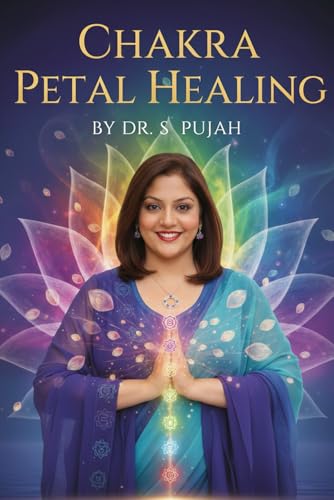
This guide provides structured techniques that include the five higher chakras, helping you integrate all twelve into your practice.
See it on Amazon →The Seven Primary Chakras and Their Functions
The traditional chakra system centres on seven primary energy centres aligned along the spine, each with distinct qualities, colours, and associations. This section details each chakra in order, with its Sanskrit name, psychological and physical links, and common crystals used in modern practice.
Muladhara (Root Chakra)
Located at the base of the spine, Muladhara governs survival instincts, security, and grounding. Its colour is deep red (#B5473A). Physically, it relates to the legs, feet, and adrenal glands. Crystals like red jasper and smoky quartz are often linked to this chakra to promote stability and grounding.
Svadhisthana (Sacral Chakra)
Situated below the navel, this chakra influences creativity, sexuality, and emotions. Its colour is orange (#D2762F). Physically, it connects to the reproductive organs and kidneys. Carnelian and orange calcite are popular crystals for balancing this centre.
Manipura (Solar Plexus Chakra)
Found at the upper abdomen, Manipura governs personal power, confidence, and digestion. Its colour is bright yellow (#C9A227). The digestive system and pancreas correspond physically. Citrine and tiger’s eye are crystals commonly associated with this chakra to enhance willpower and energy.
Anahata (Heart Chakra)
Located at the centre of the chest, Anahata represents love, compassion, and emotional balance. Its colour is green (#4B8B5C). It is linked to the heart, lungs, and circulatory system. Rose quartz and green aventurine are crystals used to support emotional healing here.
Vishuddha (Throat Chakra)
At the throat, Vishuddha governs communication, self-expression, and truth. Its colour is blue (#3B7EA1). It connects physically to the throat, thyroid, and vocal cords. Blue lace agate and sodalite are crystals often used to enhance clarity and expression.
Ajna (Third Eye Chakra)
Positioned between the eyebrows, Ajna is the centre of intuition, insight, and mental clarity. Its colour is indigo (#43408A). It relates to the eyes, pituitary gland, and brain. Amethyst and lapis lazuli are commonly linked crystals to support intuition.
Sahasrara (Crown Chakra)
At the top of the head, Sahasrara connects to spiritual awareness and higher consciousness. Its colour is violet or white (#7A5AA6). It corresponds physically to the brain and nervous system. Clear quartz and selenite are crystals used for spiritual connection and clarity.
The colours listed here follow the common Western chakra colour scheme, which assigns a distinct hue to each chakra to aid meditation and visualisation. These colours do not originate from ancient Sanskrit texts but have become widely accepted in contemporary practice.
Psychologically, the seven chakras form a framework for understanding different dimensions of human experience—from basic safety and bodily functions at the root, through emotional and personal development, to spiritual connection at the crown.
Crystals associated with each chakra are a modern addition, used for their colour and perceived vibrational qualities in practices such as meditation and energy healing. While not part of classical teachings, they support focused attention on each chakra’s qualities.
To explore the seven chakras further, including meditation techniques and detailed meanings, see 7 Chakras Explained: What Each Energy Centre Represents.
The Five Additional Chakras Beyond the Traditional Seven
The 12 chakra system extends the traditional seven chakras with five additional centres that lie outside the physical spine alignment. These five chakras include the Earth Star, Soul Star, Universal Heart, Thymus, and Alta Major chakras. Each has a specific location and symbolic role that enriches the understanding of subtle energy beyond the familiar seven.
The Earth Star chakra lies about 12 to 18 inches below the feet, grounding spiritual energy into the physical body and linking to the planet’s energy. The Soul Star chakra is located around six inches above the crown of the head. It is often described as connecting higher consciousness and karmic imprints, relating the individual to their soul’s purpose.
The Universal Heart chakra lies slightly above the physical heart chakra, between the shoulder blades. It represents unconditional love, compassion, and a connection to collective consciousness. The Thymus chakra is in the upper chest, just above the heart, associated with immunity, courage, and self-expression, sometimes called the Higher Heart.
Finally, the Alta Major chakra is at the base of the skull, where the spine meets the head. It is considered a centre for psychic awareness and spiritual awakening, bridging the physical and etheric bodies.
These additional chakras emerged more prominently in modern energy work and holistic healing practices from the late 20th century onwards. They do not appear in classical Sanskrit texts but have gained acceptance among contemporary teachers as important centres for spiritual development and deeper energy integration.
Practitioners often use crystals, colours, and sounds to activate and balance these chakras. For example, black tourmaline or smoky quartz supports grounding the Earth Star chakra. Amethyst or clear quartz are common for the Soul Star chakra to enhance spiritual connection. Rose quartz or green stones suit the Universal Heart, while lapis lazuli or blue-green crystals assist the Thymus. The Alta Major may be worked with clear or violet crystals.
Earth Star Chakra
Located below the feet, it grounds spiritual energy to the Earth.
Soul Star Chakra
Above the crown, it links to higher consciousness and karmic lessons.
Universal Heart Chakra
Between shoulder blades, it represents universal love and compassion.
Thymus Chakra
Upper chest, associated with courage and immunity, called the Higher Heart.
Alta Major Chakra
Base of the skull, centre for psychic awareness and spiritual awakening.
How to Balance and Meditate on All 12 Chakras
Balancing and meditating on all 12 chakras involves a systematic approach that moves energy through each centre, from the Earth Star below the feet to the Soul Star above the head. This practice helps to align the physical, emotional, mental and spiritual layers of the subtle body.
- Prepare your spaceSit comfortably with your spine straight, ideally on a firm cushion that raises your hips above your knees. Close your eyes to reduce distractions.
- Ground with the Earth Star chakraVisualise a deep red sphere about 30cm below your feet, rooting you to the Earth. Imagine energy flowing upward from this chakra into the root chakra.
- Move upward through the seven primary chakrasFocus in turn on each chakra along the spine: sacral, solar plexus, heart, throat, third eye, and crown. Visualise their traditional colours and feel energy flow upward smoothly.
- Reach the five higher chakrasContinue with the soul star chakra about 30cm above the head, then the causal, stellar gateway, universal, and divine gateways. Picture them as radiant spheres of light, often white or violet.
- Synchronise breath and visualisationInhale deeply through the nose, imagining energy rising from the Earth Star to the Soul Star. Exhale slowly, sensing energy flow downward, cleansing each chakra.
- Use sound and crystalsIf available, use singing bowls tuned to chakra frequencies or hold crystals associated with each chakra during meditation to enhance focus and vibration.
- Conclude and groundVisualise a protective shield of light around you. Slowly bring awareness back to the room and open your eyes when ready.
This guide provides detailed visualisations and exercises that support chakra balancing and energy alignment.
See it on Amazon →For timing, start with 10 minutes daily, gradually increasing to 20 or 30 minutes as you become familiar with each chakra. Regular practice promotes a steady balancing effect rather than rapid shifts.
Scientific and Historical Perspectives on the 12 Chakras
Classical Indian texts such as the Sat-Cakra-Nirupana and Hatha Yoga Pradipika primarily describe seven chakras aligned along the spine. These seven centres have been documented since at least the 16th century in tantric literature.
Classical texts on chakras
The authoritative tantric texts of the 16th and 17th centuries focus on seven chakras, without mention of the additional five found in modern systems.
The concept of 12 chakras appears mainly in modern spiritual teachings that expand the traditional system to include extra-physical centres such as the Earth Star and Soul Star chakras. These additions are not found in classical scripture but reflect contemporary interpretations and teachings.
Scientific research has explored electromagnetic fields near the body, sometimes associating them with chakra locations. However, these studies do not confirm chakras as energy centres in the physiological sense, and no medical or scientific consensus recognises chakras as anatomical structures.
No scientific evidence
There is no scientific proof that chakras exist as literal energy centres or that balancing them affects health. Claims about chakras should be understood as spiritual or symbolic practices rather than medical facts.
Understanding chakras requires distinguishing documented facts from tradition and popular belief. The seven-chakra model is well established historically, while the 12-chakra system belongs to modern spiritual practice rather than classical Indian texts.
Common Misconceptions About the 12 Chakras
The question “how many chakras are there” has no fixed answer across all traditions. The 12 chakras are not a universally agreed count. Classical Indian texts usually describe seven main chakras, while some modern and esoteric systems add more, up to twelve or beyond. Lists of all chakras vary depending on the source and the purpose of the teaching.
A widespread myth is that chakras are physical organs or nerves. In fact, chakras are best understood as symbolic centres of subtle energy or consciousness, not anatomical structures. They belong to the subtle body concept found in yogic and tantric philosophy, which differs from the physical body studied by anatomy.
Claims that crystals, music, or specific frequencies can guarantee chakra clearing are popular but lack scientific backing. Many people find these tools helpful for meditation or focus, but there is no evidence that any object or sound can definitively open or balance chakras.
| Common Misconceptions | Clarification |
|---|---|
| The number of chakras is fixed at 12 | Chakra counts vary; traditional texts list seven, some modern systems add more |
| Chakras are physical organs | Chakras represent subtle energy centres, not anatomical parts |
| Crystals or music can guarantee chakra clearing | These tools assist practice but do not guarantee outcomes |
| The Ashoka Chakra relates to the chakra system | The Ashoka Chakra is a symbol on the Indian flag unrelated to energy centres |
Clarifying common misunderstandings about chakras
It is important to distinguish chakra as a symbol in Indian culture from chakra in healing and meditation practice. For example, the Ashoka Chakra, a 24-spoked navy blue wheel at the centre of the Indian flag, is a political and historical symbol. It does not represent an energy centre in the body or a chakra in the yogic sense.
People exploring chakra awakening should approach with awareness that interpretations and practices vary widely. The 12 chakra system is a contemporary expansion beyond the classical seven, often blending traditional elements with new ideas. Understanding the source and context of each chakra helps avoid confusion and supports a more grounded practice.
Common Claims vs Reality About Chakras
| Commonly claimed | Actually |
|---|---|
| There are always only seven chakras | Classical Indian texts mainly describe seven chakras, but some traditions and modern systems include more, such as the 12 chakra model to cover higher spiritual centres. |
| Each chakra has a fixed colour in ancient texts | The rainbow colours linked to chakras are a modern Western development; classical sources do not standardise chakra colours. |
| Chakras are proven scientific entities | No scientific evidence confirms chakras as physical structures; they are part of spiritual and metaphysical traditions. |
| The Ashoka Chakra is a spiritual energy centre like the chakras in the body | The Ashoka Chakra on the Indian flag is a symbolic wheel representing dharma, not a bodily chakra. |
| Balancing all 12 chakras is a traditional practice | Meditation on 12 chakras is a contemporary practice expanding on the traditional seven; classical texts focus on seven chakras. |
Frequently Asked Questions
Related Reading
- What Are Chakras? The Complete Guide — Detailed overview of energy centres
- The Nine Chakras: A Complete Guide — Explores chakra systems with nine centres
- The 11 Chakras: A Complete Guide — Information on chakra models with eleven centres
- Is Chakra a Religion? The Truth — Clarifies cultural and spiritual context of chakras

Covers spiritual and cultural aspects of chakras; consult a qualified professional for health concerns. As an Amazon Associate, Chakra Serenity earns from qualifying purchases. Prices and availability change, so check the listing before you buy.