Orange Chakra: The Power of the Sacral (Svadhisthana) Energy Centre
Complete guide to Svadhisthana’s meaning, balance, and healing methods
The orange chakra is the sacral chakra, or Svadhisthana, located below the navel. It governs creativity, emotional flow, pleasure, and relationships. Balancing it supports joy, adaptability and healthy intimacy.
People ask about the orange chakra to understand how it shapes creativity, emotions and sexuality. Many sources mix modern beliefs with traditional texts, causing confusion.
Popular guides often repeat the seven-chakra rainbow chart without clarifying that classical Indian texts describe varying numbers of chakras and colours.
This article separates documented history from modern practice and gives clear, practical advice on recognising and balancing the sacral chakra, with details on stones, yoga, aromatherapy and affirmations.
Recommended Product for Sacral Chakra Healing
A complete guide to energy alignment and five-element balance Links go to Amazon and earn this site a small commission at no extra cost to you.
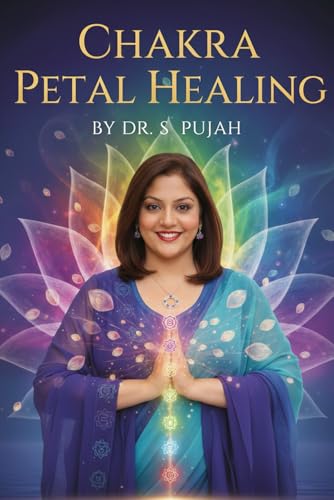
Chakra Petal Healing
This book offers detailed instructions on aligning the sacral chakra and balancing related elements, suited for all levels.
Skip it if: Skip it if you prefer shorter, practice-only manuals.
Orange Chakra: The Power of the Sacral (Svadhisthana) Energy Centre
The orange chakra is the sacral chakra, called Svadhisthana in Sanskrit. It sits in the lower abdomen, about two inches below the navel. This chakra governs creativity, emotional expression, sexuality and the experience of pleasure.
Svadhisthana translates as “one’s own abode” or “dwelling place,” indicating its role as the seat of personal identity and emotional flow. It manages the movement and release of feelings, making it central to emotional flexibility and healthy relationships.
Classical depictions show the sacral chakra as a six-petaled lotus with a crescent moon inside. The petals symbolise six negative emotions to be transformed, while the crescent moon represents fluidity and change, linking it to the element of water. This element underscores the chakra’s adaptability and connection to pleasure.
The sacral chakra is traditionally associated with the colour orange in modern practice. This warm colour symbolises vitality and creativity, reflecting the chakra’s influence on passion and emotional warmth. Classical Indian texts do not mention this colour; the orange link is a modern addition.
Located between the root chakra (Muladhara) and the solar plexus chakra (Manipura), Svadhisthana builds on the root’s grounding energy and feeds into the solar plexus’s personal power. It supports emotional life and creative energy once basic physical needs are met.
The seven chakras with Svadhisthana (sacral) highlighted and Sanskrit names shown.
Yoga practices for the sacral chakra often include hip-opening postures. These poses encourage emotional release and creative flow by easing tension around the pelvis. This physical openness supports the sacral chakra’s role in pleasure and emotional expression.
Signs of a Balanced or Imbalanced Sacral Chakra
Recognising whether the sacral chakra is balanced or blocked helps guide effective chakra balancing and cleansing practices. Physical, emotional and mental signs provide clues about its state.
A balanced sacral chakra often shows through a healthy reproductive system and good digestion. People report feeling emotionally stable, open to intimacy, and creatively inspired. They experience pleasure without guilt and adapt well to change.
Imbalance in Svadhisthana can manifest as lower back pain, urinary or reproductive issues, and digestive problems. Emotionally, it may cause mood swings, emotional numbness, or difficulty forming close relationships. Creative blocks and lack of motivation are common.
Sexual problems such as low libido or unhealthy attachments may indicate sacral chakra disturbance. Mental signs include fear of change or excessive attachment to comfort and routine.
Noticing these signs matters because it directs chakra balancing efforts where they are most needed. Practices like yoga, breathwork and meditation can then focus on restoring flow and harmony in this energy centre.
Clearing and balancing the sacral chakra supports overall wellbeing by freeing emotional energy and enhancing creative potential. This makes the chakra cleanse a vital part of holistic chakra balancing.
For more on chakra basics and yoga practices connected to this energy centre, see The Complete Guide to Chakras in Yoga: Energy Centers Explained.
Effective Healing Techniques for the Orange Chakra
Balancing the sacral chakra means engaging the body, senses and creativity to support emotions, pleasure and flow. Several methods target these areas directly, including crystals, yoga, aromatherapy, creative activities and affirmations.
Select crystals like carnelian, orange calcite and moonstone for sacral chakra work. Carnelian boosts motivation, orange calcite encourages joy and adaptability, and moonstone aids emotional balance. Hold or place these stones on the lower abdomen during meditation or massage to sharpen focus on sacral healing.
Sacral chakra massage uses gentle circular strokes just below the navel and around the lower belly. Warm oil or a smooth crystal improves comfort and sensation. This physical stimulation clears energetic blockages. Pair massage with slow, deep breathing centred in the abdomen to ease tension and encourage flow.
Practice yoga poses that open the hips and pelvic area to activate sacral energy. Try Goddess Pose (Utkata Konasana), Pigeon Pose (Eka Pada Rajakapotasana) and Bound Angle Pose (Baddha Konasana). These stretches release tightness in the pelvis, linked to the sacral chakra, supporting emotional openness and creativity.
Use essential oils known for their effects on the sacral chakra. Orange oil uplifts the mood, ylang-ylang promotes relaxation and sensuality, and sandalwood offers grounding and calm. Dilute oils before applying to the lower abdomen or use in a diffuser to enhance the environment.
Engage in creative expression to awaken the sacral chakra. Painting, dancing, writing or playing music encourages emotional release and natural flow. This hands-on approach complements physical and sensory methods by bringing feelings and desires into awareness.
Repeat affirmations that reinforce sacral chakra qualities. Examples include: “I welcome pleasure and joy,” “My creativity flows freely,” and “I nurture healthy relationships.” Say these aloud while focusing on the lower belly each day to support positive mental patterns.
How the Sacral Chakra Connects to the Root and Solar Plexus Chakras
The sacral chakra depends on the root chakra as its foundation. The root chakra, or Muladhara, anchors physical stability and security. Without this base, sacral creativity and emotional flow lack firmness and may feel unstable.
Above the sacral chakra lies the solar plexus chakra, which supplies willpower and confidence. The solar plexus chakra fuels the sacral centre’s ability to manifest creative ideas and emotional desires into action. Together, these three chakras form a vital energetic sequence from grounding to creation to empowerment.
Stones that support the root chakra, such as red jasper and smoky quartz, complement sacral healing by enhancing stability. Similarly, citrine and tiger’s eye for the solar plexus chakra boost personal strength and motivation. Practices that balance all three chakras together create a more integrated and resilient energy flow.
Understanding this connection clarifies chakra balancing as a holistic process. Focusing solely on the sacral chakra ignores its dependence on the base chakra’s foundation and the solar plexus chakra’s fire. Combining stones, yoga and breathing exercises across these chakras yields more consistent results.
Incorporating Orange into Daily Life to Support Sacral Energy
The sacral chakra’s association with the orange colour offers practical ways to reinforce its balance in everyday life. Wearing orange clothing or jewellery can keep this energy centre visually and physically close, inspiring creativity and emotional warmth.
Choose natural fabrics in shades of orange for comfort and skin breathability. Jewellery with orange stones, such as carnelian or amber, may complement this by providing tactile reminders of the sacral chakra’s qualities.
Adding orange flowers or decorations to your living or work environment brings vibrancy and a sense of pleasure. Marigolds, orange tulips, or autumn leaves arranged in a vase create a natural, cheerful atmosphere aligned with sacral energy.
Orange foods also support the sacral chakra through nutrition and colour therapy. Sweet potatoes, carrots, oranges and pumpkins provide beta-carotene and vitamins while visually stimulating the sacral centre.
Using orange in creative spaces can enhance flow and emotional openness. Paintings, cushions, or stationery in shades of orange help establish an environment conducive to artistic expression and joyful interaction.
Chakra oils labelled for the sacral chakra typically include orange essential oils like sweet orange or neroli. These can be diffused or applied in diluted form to pulse points, complementing other sacral practices.
This use of orange follows the modern Western chakra colour system rather than classical Indian texts, which do not fix colours to chakras. The connection between orange and the sacral chakra is a contemporary convention widely adopted in chakra balancing.
Incorporating orange intentionally across clothing, environment, diet and aroma provides a consistent sensory framework to support the sacral chakra’s role in creativity, pleasure and emotional flow.
Common Claims About the Orange Chakra vs Actual Facts
| Commonly claimed | Actually |
|---|---|
| The sacral chakra controls all physical health aspects. | The sacral chakra relates mainly to emotions, creativity and reproductive organs, not overall physical health. |
| Balancing the orange chakra cures emotional disorders instantly. | Balancing helps emotional flow but does not treat or cure disorders; professional help is needed for mental health. |
| The colour orange for the sacral chakra is an ancient Sanskrit teaching. | The orange colour association is a modern Western system, not found in classical Indian texts. |
| Activating the sacral chakra guarantees increased creativity. | Practices may support creativity, but results vary and require consistent effort beyond chakra focus. |
| Certain crystals have inherent sacral chakra powers. | Crystal use is a contemporary practice based on belief, without scientific proof of specific chakra effects. |
Frequently Asked Questions
Related Reading
- Scorpio’s Power Chakra: The Sacral Energy Centre — Astrological view of the sacral chakra
- What Are Chakras? The Complete Guide to Energy Centres — Overview of chakra system basics
- The Power of Root Chakra: Anchoring Your Being — Foundational chakra connected to sacral
- The Nine Chakras: A Complete Guide to Energy Centres — Expanded chakra overview beyond seven

Focus is on traditional and modern chakra interpretations, not medical advice; consult professionals for health issues. As an Amazon Associate, Chakra Serenity earns from qualifying purchases. Prices and availability change, so check the listing before you buy.