Best Meditation Devices: Top Picks for Mindfulness and Stress Relief
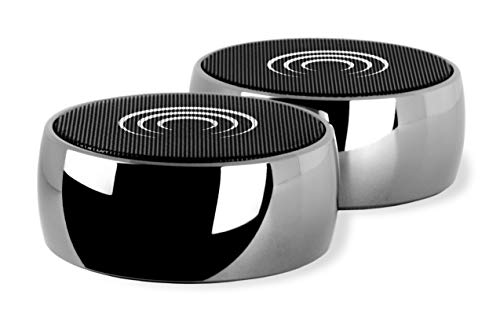
Clear, detailed guidance on top meditation gadgets and how to use them effectively
The best meditation devices for mindfulness and stress relief use biofeedback, audio-visual entrainment, or vagal nerve stimulation to support focus and calm. They provide real-time feedback and guided sessions to help users improve meditation practice safely and effectively.
Many seek meditation devices to improve mindfulness and stress relief but find conflicting claims and confusing choices.
Devices vary widely in mechanism, evidence, and suitable users, yet many reviews focus only on features or price.
This guide clearly explains how different devices work, their evidence base, safety, and practical use, helping you choose what fits your needs.
Top Meditation Devices Reviewed
Compare features and suitability of leading meditation gadgets Links go to Amazon and earn this site a small commission at no extra cost to you.
The Goddess of Flame Grounding Roll-On Oil
This essential oil blend supports root chakra balance and emotional stability, ideal for calming the mind before meditation or Reiki. Its portable roll-on format suits daily use and travel.
Skip it if: Skip if you prefer electronic devices or want direct biofeedback features.
Best Meditation Devices for Mindfulness and Stress Relief
The best meditation devices use EEG biofeedback headbands, Audio-Visual Entrainment (AVE), and vagal nerve stimulators to support mindfulness and stress relief. They offer real-time feedback or stimuli that help users focus and calm their minds more effectively.
EEG biofeedback headbands like the Muse 2 measure brainwaves, heart rate, and breathing to provide personalised feedback during meditation. AVE devices use timed light pulses and isochronic tones to guide the brain into relaxed states. Vagal nerve stimulators deliver low-frequency mechanical vibrations to activate the parasympathetic nervous system and reduce anxiety.
These devices produce different effects: EEG headbands improve focus and attention by showing brain activity in real time; AVE devices accelerate entry into alpha or theta brainwave states; vagal nerve stimulators promote calm through direct nervous system stimulation. Each device type has a different strength of scientific evidence, with AVE best supported, EEG biofeedback emerging, and vagal nerve stimulation showing promising early results.
- EEG biofeedback devices help beginners and advanced users track focus and calm with detailed brainwave data.
- AVE devices suit users who prefer passive sensory stimulation to reach meditative states faster.
- Vagal nerve stimulators are accessible for stress relief through gentle vibration, useful for those sensitive to biofeedback complexity.
Many devices come with companion apps offering guided sessions, progress tracking, and analytics. These features help maintain a regular practice, motivate users, and deepen mindfulness skills. Some apps provide free content, while others require subscriptions for premium courses and personalised coaching.
Evidence varies
Audio-Visual Entrainment has the strongest documented research for meditation support. EEG biofeedback and vagal nerve stimulation show moderate but growing evidence. Users should expect benefits to build with consistent use rather than immediate effects.
How Meditation Devices Work: Mechanisms Explained
Meditation devices operate on distinct scientific and technological principles to support mindfulness practice. Understanding these mechanisms clarifies how they influence brain and body states.
- EEG biofeedback headbands measure electrical brainwaves via sensors on the scalp. They detect alpha, beta, theta, and delta waves, which correspond to different mental states like relaxation, focus, or drowsiness.
- Audio-Visual Entrainment uses flashing lights and pulsing sounds at specific frequencies called isochronic tones. These stimuli synchronise brainwaves to desired patterns, such as alpha or theta, associated with calm and meditation.
- Vagal nerve stimulation devices apply low-frequency vibrations to areas like the wrist or chest to activate the vagus nerve. This triggers the parasympathetic nervous system, lowering heart rate and promoting relaxation.
- Heart rate variability (HRV) sensors monitor the variation in time between heartbeats. Devices use this data to guide users to coherent breathing patterns through breath biofeedback, improving emotional regulation.
Real-time feedback from these devices lets users adjust their mental focus, breathing, or posture during meditation. Seeing or hearing changes in brainwaves or heart rate encourages sustained attention and helps correct wandering thoughts.
Brainwave complexity
EEG biofeedback requires user interaction and interpretation of data, making it more suitable for those familiar with meditation concepts. AVE and vagal stimulation demand less active input, ideal for beginners or those seeking passive support.
EEG headbands measure brainwaves directly, AVE entrains brainwaves through light and sound, and vagal stimulators calm the nervous system with vibration. Heart rate and breath sensors provide additional biofeedback. Feedback helps users maintain a focused and relaxed state during practice.
Integrating Meditation Devices Into Your Daily Practice
Start with short sessions of five to ten minutes daily if you are new to meditation devices. This duration supports building concentration without causing fatigue or frustration. Advanced users may extend sessions to 20 or 30 minutes, increasing gradually as comfort grows.
Maintaining focus during meditation improves with real-time biofeedback. Devices like EEG headbands display your brainwave activity or heart rate variability, showing when your mind wanders. Use this data to gently return attention to your breath or the guided meditation prompt, avoiding frustration by seeing distraction as normal.
- Set up your environmentChoose a quiet, comfortable place free from interruptions and bright lights. Use cushions or a chair with knees lower than hips for posture.
- Begin your sessionStart the device and follow any guided instructions. Notice the biofeedback quietly without overreacting to fluctuations.
- Maintain awarenessIf your focus drifts, observe it and bring attention back calmly. Use feedback to gauge when you are settled or distracted.
- End graduallyAfter the session, sit quietly for a minute before resuming activity. Reflect on your experience.

Applying grounding essential oils like The Goddess of Flame Roll-On oil before sessions can help centre your mind and steady focus.
See it on Amazon →Many meditation devices pair well with apps offering guided meditations, progress tracking, and reminders. Combining traditional silent practice with device sessions can deepen mindfulness skills. Devices provide objective data, while apps enhance motivation and variety.
Track your progress by noting session length, focus quality, and mood changes. Adjust session frequency and duration based on these trends to avoid burnout and maintain consistency. Gradual increase of session time over weeks builds sustainable practice.
Avoid over-reliance on data
Biofeedback is a tool, not a precise measure. Do not let numbers cause stress or unrealistic expectations during meditation.
Safety Considerations and Contraindications
Meditation devices are generally safe for adults but users should start with short sessions to assess tolerance. Children and teenagers should consult a healthcare professional before use, as evidence for safety in younger age groups is limited.
Light and sound sensitivity
Audio-Visual Entrainment devices emit flashing lights and rhythmic sounds that may trigger seizures or discomfort in users with photosensitive epilepsy or sound sensitivities. Consult a doctor if you have such conditions.
Headbands and wearable devices must fit securely but comfortably. Ill-fitting bands can cause pressure or skin irritation. Choose adjustable models suited to your head size and check fit before extended use.
Device calibration is vital for accurate biofeedback. Follow manufacturer instructions for set-up and regular maintenance. Clean sensors and replace batteries or recharge as recommended to ensure reliable performance.
Not a substitute for medical care
Meditation devices support mindfulness but do not replace professional diagnosis or treatment for mental health or medical conditions. Seek qualified advice when needed.
Battery safety and hygiene are important. Use manufacturer-approved chargers, avoid exposure to water unless specified, and clean devices regularly to prevent skin issues. Remove devices when charging or not in use.
Long-Term vs Short-Term Benefits of Meditation Devices
Users may notice effects from meditation devices within minutes, often as immediate calming or reduced stress. These short-term benefits include lowered heart rate and a sense of relaxation. Longer-term gains require consistent use over weeks or months, as sustained practice improves attention, emotional regulation, and reduces stress hormone levels such as cortisol.
Scientific studies show that regular meditation lowers cortisol and improves focus. Devices using EEG biofeedback can accelerate brainwave entrainment, guiding users into alpha and theta states linked to relaxation and meditative awareness. Audio-Visual Entrainment (AVE) and vagal nerve stimulation devices also promote these brainwave changes faster than silent meditation alone.
Some devices indirectly support better sleep by reducing pre-sleep anxiety and encouraging parasympathetic nervous system activation. For example, vagal nerve stimulators use gentle mechanical pulses to calm the nervous system, aiding sleep onset. However, improved sleep quality depends on routine use and integrating device sessions into a broader sleep hygiene practice.
Individual Variation
Benefit timelines vary by individual and device type. Some users report immediate calm, while others see gradual improvements in mindfulness and stress resilience over months.
Maintaining these benefits requires ongoing meditation practice, with or without devices. Devices serve as training aids rather than cures; their effects dissipate if sessions stop. Immediate calming effects differ from the long-term neuroplastic changes that underpin lasting mindfulness gains. Regular, disciplined use is essential for sustained progress.
Choosing the Right Device for Your Needs
Beginners usually benefit most from devices offering guided meditation sessions with simple interfaces. These often include free app content to introduce mindfulness basics safely. Advanced users may prefer biofeedback headbands that provide detailed EEG data and require interpretation skills. This choice depends on experience and comfort with technology.
Beginner-Friendly Guided Session Devices
- Simple to use with clear instructions
- Free app content available for basic practice
- Portable and low maintenance
Advanced Biofeedback Devices
- Less detailed feedback on brain states
- Limited customisation for advanced training
- Some require subscription for premium content
Advanced Biofeedback Devices
- Detailed EEG or HRV data for precise training
- Customisable sessions for specific goals
- Better suited for clinical or research use
Beginner-Friendly Guided Session Devices
- Steeper learning curve
- Often higher price and maintenance
- May require paid app subscriptions
Portability varies. Wearable headbands suit daily use and travel, while some AVE devices are bulkier but offer immersive sessions. Maintenance involves charging, cleaning sensors, and app updates. Consider how much time and effort you want to spend on device upkeep.
Price varies widely, from affordable guided session devices to advanced biofeedback systems. Some require app subscriptions or replacement accessories. Clinical-grade devices often need professional supervision and can cost more.
User preferences for feedback type matter. Some find sound or vibration calming, like the Apollo Neuro’s vagal nerve stimulation, while others prefer visual feedback from EEG headbands or light-sound devices. Choose what feels intuitive and pleasant to you to encourage regular use.
Brainwave frequency ranges measured by EEG biofeedback devices.
Devices vary in content access. Many offer free basic sessions but require subscriptions for premium guided meditations or advanced analytics. Check app details before purchase to avoid unexpected costs.
For clinical use, select devices with documented evidence and professional support options. Casual users seeking stress relief and mindfulness can choose simpler, user-friendly gadgets with guided content. Always match device features to your goals, experience, and budget.
For further details on meditation tools, see Best Meditation Tools: Enhance Mindfulness & Reduce Stress Effortlessly.
Common Claims About Meditation Devices Compared to Reality
| Commonly claimed | Actually |
|---|---|
| Meditation devices can replace therapy or medication | Devices support mindfulness practice but do not replace professional treatment for mental health conditions. |
| All meditation devices offer strong scientific evidence | Evidence strength varies widely; Audio-Visual Entrainment (AVE) has the strongest research while others have emerging or moderate support. |
| Meditation devices guarantee immediate and lasting benefits | Benefits depend on consistent use and individual differences; effects vary in timing and are not guaranteed. |
| Meditation devices provide clinical-grade accuracy like medical EEG equipment | Consumer EEG devices offer real-time biofeedback but are less precise than clinical tools designed for diagnosis. |
| Meditation devices are suitable for all ages without restrictions | Devices are generally safe for adults but children and older adults should use them cautiously and consult professionals if needed. |
Frequently Asked Questions
Related Reading
- Master Om Meditation — Complete guide to sacred sound meditation
- Powerful Affirmations for Stress Relief — Effective affirmations for managing stress
- Vedic Meditation for Modern Stress Relief — Ancient practice adapted for today
- Zen Mindfulness and Present Awareness — Techniques for cultivating mindfulness
Sources
- 10 Smart Meditation Gadgets in 2026 for Stress Relief — Safety and general device overview
- Best Smart Meditation Devices 2026: Biofeedback Picks — Biofeedback headbands, device features, evidence
- Mindfulness Devices That Actually Work: Our Top Recommendations – MediBriefer — Audio-Visual Entrainment, device reviews
- The Best Meditation Gadgets of 2026 – Mind Alive — Scientific evidence, device mechanisms, safety

This article covers meditation devices for mindfulness and stress relief without medical advice; consult professionals for health concerns. As an Amazon Associate, Chakra Serenity earns from qualifying purchases. Prices and availability change, so check the listing before you buy.