Best Meditation Tools: Enhance Mindfulness & Reduce Stress Effortlessly
Clear guidance on choosing tools suited for beginners and pros, with science-backed insights
Meditation tools support mindfulness and stress reduction by providing feedback, guidance, and sensory aids. They do not replace regular meditation but can deepen practice and motivation when chosen to suit individual needs.
Many search for the best meditation tools to improve mindfulness and ease stress, but answers often focus narrowly on apps or gadgets without context.
Confusion arises around which tools suit beginners or specific goals, and whether technology can substitute traditional practice.
This guide clarifies how different tools work, their scientific basis, potential limits, and how to integrate them sustainably into meditation routines.
Recommended Meditation Tools and Aids
These tools help deepen meditation and support mindfulness practice. Links go to Amazon and earn this site a small commission at no extra cost to you.
Daily Meditations for Recovery
This product offers high-performance recessed lighting that creates a calm environment conducive to meditation. Its ease of installation suits users enhancing their meditation space.
Skip it if: It does not provide direct biofeedback or guided instruction, so it suits those who want ambient support rather than interactive tools.
Best Meditation Tools: Enhance Mindfulness and Reduce Stress Effortlessly
Meditation tools include devices and applications designed to support mindfulness and reduce stress by providing sensory feedback, guidance, and progress tracking. They help maintain focus during meditation but do not replace the practice itself.
Biofeedback devices measure physiological signals such as brainwaves, heart rate, and breath patterns to provide real-time data. This feedback helps meditators notice when their attention drifts and gently return it, improving sustained focus.
Guided meditation apps offer recorded instructions, breathing exercises, and mood tracking to support users at various skill levels. Many apps include personalisation features that adapt sessions based on user preferences and progress.
Choosing the right meditation tool depends on individual needs. Beginners often benefit from guided apps with simple instructions, while more experienced practitioners might prefer biofeedback devices for neurotraining. Cost does not guarantee effectiveness; regular use and fit with one’s routine are key.
Meditation has ancient roots, with practices described in the Upanishads focusing on attention regulation through concentration or open monitoring. Modern tools integrate these traditions with technology to enhance mindfulness but serve as aids rather than cures or replacements.
Suits
- Beginners looking for structured guidance
- Practitioners seeking measurable feedback
- Users wanting motivation via progress tracking
Less suited to
- Those expecting instant transformation
- People preferring purely traditional methods
- Users unwilling to maintain regular practice
Many popular apps such as Insight Timer offer extensive free content suitable for all levels. Devices like the Muse Headband provide brainwave and heart rate monitoring to deepen focus. Both categories can complement each other depending on goals and experience.
Maintaining focus during meditation improves with practice and feedback. Tools that mirror inner states help users recognise distractions early, enabling quicker recovery of attention. Over time, this neurotraining supports calmer mind states and reduced stress.
Explore best meditation devices for specific product recommendations matched to different needs and skill sets.
How Meditation Tools Use Biofeedback to Improve Focus
Biofeedback meditation tools monitor physiological signals such as brainwaves, heart rate, and breathing to provide immediate feedback during practice. This information acts as a mirror, reflecting internal states that are otherwise difficult to perceive.
Devices like the Muse Headband measure brain activity and heart rate variability, using sensors placed on the scalp and ears. They translate these signals into audio or visual cues, guiding the user to maintain calm focus or adjust breathing.
The mechanism behind biofeedback is operant learning: users receive positive reinforcement when their mind is calm and focused, conditioning the nervous system over repeated sessions. This trains areas like the prefrontal cortex, which governs attention and executive control.
Operant Learning
Operant learning involves conditioning behaviour through immediate feedback and rewards, strengthening neural pathways linked to focused attention.
Biofeedback tools suit users who want measurable progress and active training of attention. Limitations include cost, dependence on device feedback, and less benefit for those who prefer introspective or non-technology approaches.
The Muse Headband includes features such as real-time feedback, session tracking, and guided exercises. It supports novices and experienced meditators by making invisible brain states accessible and trainable.
Those who respond well to visual or auditory cues and want to build lasting focus skills benefit most, while users seeking simple relaxation may find guided apps sufficient.
Guided Meditation Apps: Features, Benefits, and Limitations
Guided meditation apps provide structured sessions that range from brief breathing exercises to long-term mindfulness courses. Common features include narrated meditations, breathing techniques, mood tracking, and reminders to encourage regular practice. Many apps also offer personalisation options, such as selecting session length, meditation style, or focus areas like sleep or anxiety.
Community support is a prominent element in apps like Insight Timer, which hosts over 220,000 free meditations and connects users through groups and live events. Headspace, Calm, Breethe, and Ten Percent Happier similarly blend expert guidance with user-friendly interfaces to support beginners and experienced meditators alike.
Insight Timer stands out for its extensive free content and vibrant community. Headspace offers a clear, stepwise introduction to mindfulness, making it suitable for novices. Calm emphasises relaxation with sleep stories and soothing sounds. Breethe combines meditation with lifestyle coaching, and Ten Percent Happier targets sceptics seeking practical mindfulness.
Scientific studies indicate that meditation apps can improve focus, reduce stress, and enhance emotional regulation when used consistently. However, these benefits depend on regular practice and engagement rather than app features alone. While apps help sustain mindfulness and meditation long-term sessions, they do not replace professional treatment for medical or psychological conditions.
Medical Disclaimer
Meditation apps support wellbeing but do not treat or diagnose medical conditions. Consult a qualified healthcare professional for health concerns.
Non-Digital Meditation Tools: Sound Bowls, Tuning Forks, and Visual Aids
Tibetan Singing Bowls produce resonant tones used traditionally for meditation and chakra balancing. Their vibrations promote auditory focus and can accompany seated meditation to enhance mindfulness of sound. Practitioners report that these bowls help deepen relaxation and support a calm mental state.
Tuning forks emit specific frequencies believed by some to aid frequency healing. Placed near or on the body, they create vibrations intended to stimulate energy centres or relieve tension. While scientific validation is limited, tuning forks remain popular for sensory meditation and sound therapy practitioners.
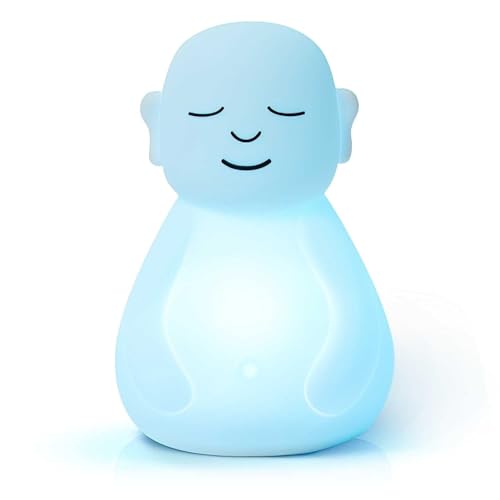
Visual breathing aids such as the Breathing Buddha and Breathing Lamp use light patterns to guide inhalation and exhalation rhythms. These tools provide a tangible focus to regulate breath, which is essential for many meditation techniques. Their portability makes them accessible for beginners learning breath control and advanced users refining their practice.
Advantages of Non-Digital Tools
- Enhance sensory engagement beyond visual screens
- Portable and usable without electricity
- Support traditional meditation practices
Limitations and Considerations
- Require careful maintenance (e.g., bowls need cleaning)
- Lack scientific proof for specific healing claims
- Less interactive feedback compared to digital apps
Care Advice
Tibetan singing bowls and tuning forks should be handled gently and kept clean to preserve sound quality and longevity.

The Daily Meditations for Recovery lamp provides a focused visual cue to improve breathing rhythm during meditation sessions.
See it on Amazon →Selecting Meditation Tools Based on User Needs and Experience
For beginners, guided meditation apps are the most accessible meditation tools. Apps like Insight Timer offer thousands of free sessions with clear instructions, making it easier to build a routine. Key features to look for include session length options, voice guidance, and a variety of meditation styles such as focused attention or body scans.
Biofeedback devices suit users seeking to deepen their meditation through neurotraining. Tools like the Muse Headband provide real-time brainwave and heart rate feedback, helping to condition focus and relaxation. These are more complex and typically best for those with some meditation experience or a strong interest in tracking physiological responses.
Common Mistakes
Choosing expensive devices without understanding your needs often leads to underuse. Beginners sometimes expect tools to replace discipline rather than aid it. Another mistake is neglecting to integrate tools into a daily routine, which reduces their effectiveness.
Trial versions and free app tiers allow you to test if a tool suits your style before investing. This approach ensures cost-effectiveness and prevents wasted expense on features that do not match your goals.
Establishing a regular meditation schedule is crucial. Tools support this by offering reminders and tracking progress, but they cannot substitute the commitment required for mindfulness practice.
Effectiveness and Integration: Using Meditation Tools Sustainably Over Time
Meditation tools support practice but do not guarantee quick change. Consistent use over weeks or months is necessary to notice measurable benefits. This aligns with findings that mindfulness and neurotraining produce gradual improvements in sustained attention and emotional regulation.
Using a meditation device daily, even for a short period like five to ten minutes, builds the habit and improves outcomes. Sporadic use limits the tool’s ability to aid rewiring of neural pathways related to focus and calm.
Combining tools with traditional meditation techniques such as focused attention (concentrating on the breath) or open monitoring (observing thoughts without attachment) enhances effectiveness. Tools provide feedback, but the meditator’s engagement remains essential.
Scientific Findings
Studies show that biofeedback devices can reduce emotional reactivity by training the prefrontal cortex and autonomic nervous system. However, they are adjuncts to, not replacements for, established mindfulness practices.
Meditation tools may assist in reducing stress and anxiety symptoms, but they are not treatments for clinical conditions. Professional help should be sought if anxiety is severe or persistent.
Cycle of effective meditation tool use for sustainable mindfulness
Common Claims About Meditation Tools Compared to Reality
| Commonly claimed | Actually |
|---|---|
| Meditation tools guarantee quick personal transformation | Meditation tools support regular practice but do not replace the discipline needed for lasting change. This claim likely spread due to marketing emphasising rapid results. |
| Higher price always means a better meditation device | Effectiveness depends on user needs and consistent use rather than cost. Expensive devices do not guarantee better outcomes for everyone. |
| Meditation apps alone can cure anxiety or health conditions | Apps may aid stress reduction but cannot treat medical conditions. Professional medical advice is necessary for health concerns. |
| Biofeedback devices instantly improve meditation quality | Biofeedback helps train attention over time through operant learning; immediate effects vary by individual experience. |
| Sound and light meditation systems are effective for everyone | Such systems can aid focus but effectiveness depends on personal preference and sensitivity, not universal results. |
Frequently Asked Questions
Related Reading
- Master Om Meditation: A Complete Guide to Sacred Sound Practice — Covers sacred sound meditation techniques
- Best Meditation And Mindfulness Books to Transform Your Daily Life — Top books to deepen mindfulness practice
- Best Essential Oils for Meditation: Enhance Your Mindfulness Journey — Explains oils that support meditation
- Powerful Mindfulness Affirmations for Daily Peace — Offers affirmations for calm and focus
Sources
- Meditation Tools Reviewed: An Honest Take — Biofeedback and meditation tool effectiveness
- 9 Best Meditation Devices, Tools, and Apps for 2025 – More Fulfilled — Brainwave and heart rate feedback mechanisms
- 100 Best Mindfulness Apps – The Tech Edvocate — Guided meditation app features
- The 8 Best Meditation Apps: Tried, Tested, and Reviewed (2026) — App customisation and community support
- Meditation – Wikipedia — Historical meditation origins and techniques

The article covers meditation tools for mindfulness and stress reduction without addressing medical treatment, recommending qualified professionals for health issues. As an Amazon Associate, Chakra Serenity earns from qualifying purchases. Prices and availability change, so check the listing before you buy.